Haryana Women Domestic Violence Financial Independence Health Data
Indian Express
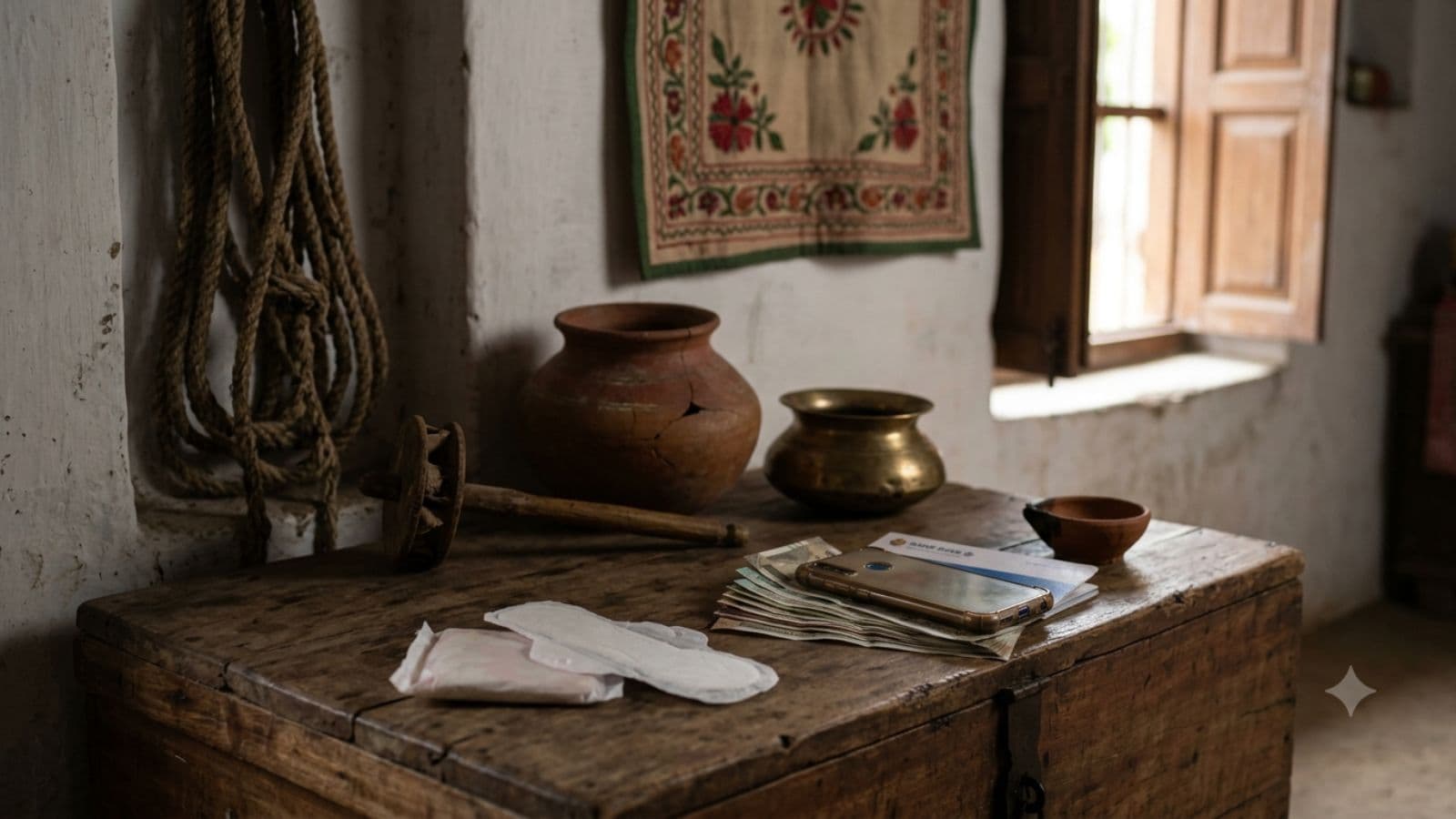
While Haryana women are witnessing greater financial independence, increased participation in household decision-making, and improved digital access, a sobering reality also holds true one in seven...
While Haryana women are witnessing greater financial independence, increased participation in household decision-making, and improved digital access, a sobering reality also holds true — one in seven married women still faces domestic violence, according to the latest National Family Health Survey (NFHS-6, 2023-24). According to the survey, the prevalence of spousal violence among ever-married women aged 18-49 in Haryana has declined from 17.9 per cent in NFHS-5 (2019-21) to 13.6 per cent in NFHS-6, indicating progress but also highlighting that domestic violence remains a significant concern. Of this, 16.1 per cent of women experienced such kind of violence in the urban belt while 12.1 per cent witnessed in the rural belt. Physical violence during pregnancy has increased from 1.6 per cent in the last survey to 2.6 per cent, while the proportion of young women aged 18-29 who experienced sexual violence before the age of 18 has reduced from 0.4 per cent to 0.1 per cent in the state. Financial independence improves The share of married women in Haryana participating in household decisions has increased from 87.5 per cent in NHFS-5 to 91.1 per cent in NHFS-6, suggesting a stronger voice within families. Financial independence has also improved, with women receiving cash payment for work rising from 18.8 per cent to 25.1 per cent. The proportion of women operating their own bank accounts in the state has jumped from 73.6 per cent to 85.2 per cent, while mobile phone ownership has increased sharply from 50.4 per cent to 64.9 per cent, enabling greater access to information, services and opportunities. The use of hygienic menstrual protection methods among young women has also inched up from 93.5 per cent to 94.3 per cent, reflecting continued improvements in awareness and access. Teenage pregnancies on the rise The survey also throws light on emerging health challenges, with 17.2 per cent of women underweight, 37.3 per cent overweight or obese, indicating a growing burden of lifestyle-related health issues in Haryana. Around 16.7 per cent of women in the state have high blood sugar levels or are on diabetes medication, while the same percentage have elevated blood pressure or are undergoing treatment for hypertension. Lifestyle habits continue to differ sharply between men and women. Tobacco use among women in the state stands at just 2.2 per cent compared with 27.5% among men, while only 0.2 per cent of women consume alcohol against 17.5 per cent of men. The survey also flags concerns over early-age pregnancies in Haryana. The share of women aged 15-19 who were already mothers or pregnant at the time of survey rose to 4.7 per cent in NHFS-6 from 3.9 per cent in NHFS-5. Likewise, 11.9 per cent of women aged 20-24 were married before turning 18, a marginal improvement from 12.5 per cent but still prevalent. “Overall, the NFHS-6 findings suggest that Haryana’s women are becoming more educated, financially empowered and digitally connected than before, but the persistence of domestic violence against one in seven ever-married women is concerning and underscores that social empowerment still has some distance to go alongside economic and financial progress,” a sociologist said.