Y2k Fashion Cycle Dead Gen Z Algorithms 2009 Trends
Indian Express
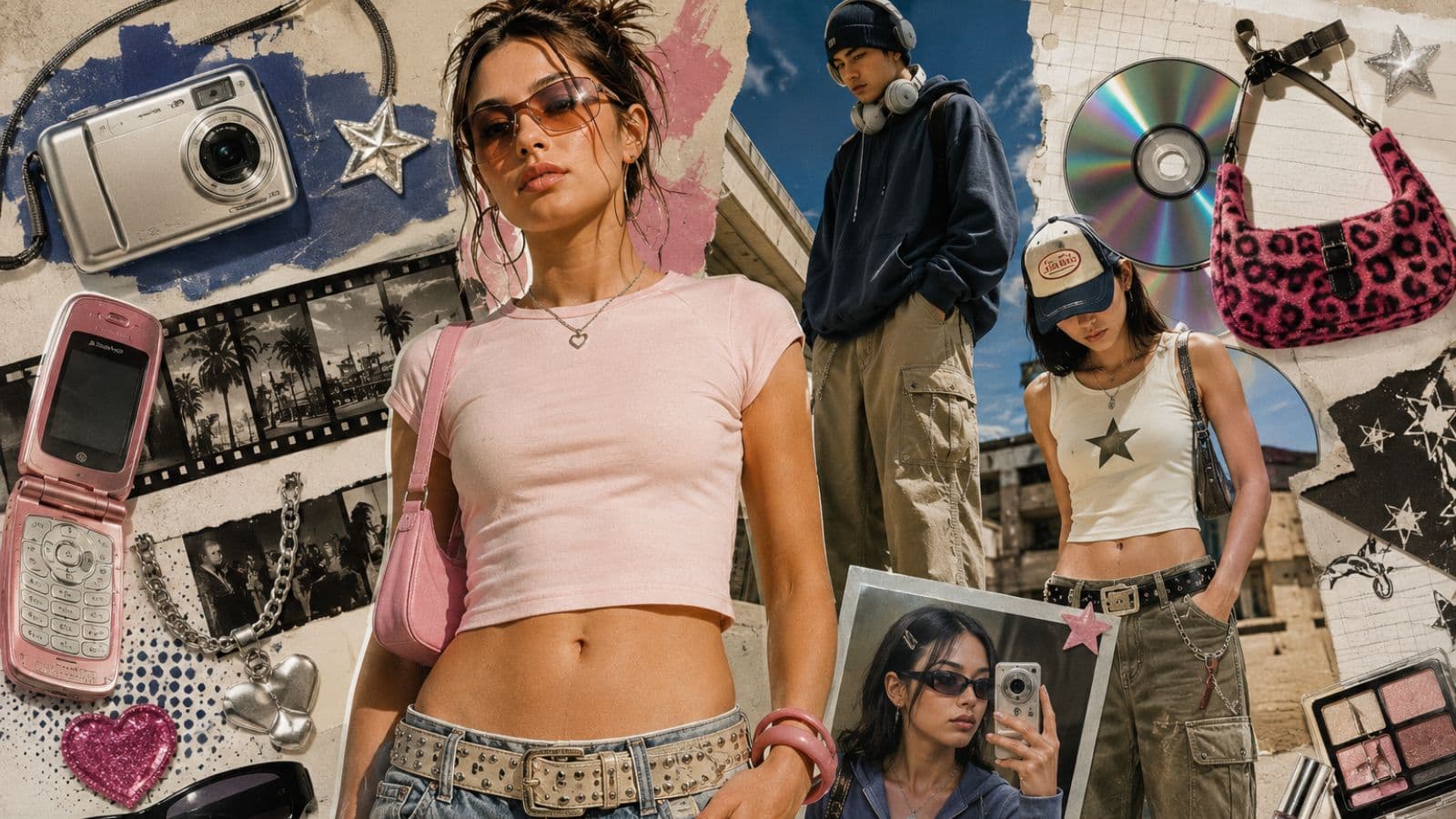
Walk into any college campus today, and you are likely to spot low-rise jeans, baby tees, oversized hoodies, chunky sneakers, cargo pants and tiny shoulder bags.
For anyone who remembers the late 2000s, it can feel like stepping into a time machine. These were some of the biggest fashion trends around 2009. The twist? Many of the people wearing them today were either toddlers or not even born when these styles first dominated wardrobes.
Fashion experts have long spoken about the 20-year fashion cycle—the idea that trends tend to make a comeback roughly two decades after they disappear. By that logic, the return of Y2K fashion in the mid-2020s makes perfect sense. But if the 20-year rule explains when trends return, it doesn’t explain why Gen Z feels so emotionally attached to an era they barely experienced.
That is because today’s revival of 2009 fashion is not just about nostalgia. It is about algorithms.
Previous generations inherited trends from older siblings or parents. Gen Z inherits them from recommendation algorithms. The algorithm has become the new family scrapbook, introducing young users to decades they never lived through but somehow still feel connected to.
That is why 2009 no longer feels like “the past”. Online, it is simply another aesthetic waiting to be rediscovered.
For decades, fashion moved in fairly predictable cycles. One trend replaced another, only to return twenty years later. Today, however, the internet has collapsed that timeline.
Instead of moving neatly from one era to the next, every decade now exists at the same time. Someone can wear a 1970s leather jacket, pair it with a Y2K baby tee, complete the outfit with 1990s sneakers and finish it off with accessories inspired by the 2010s—all while calling it their personal style.
Fashion is no longer about dressing according to a particular decade. It is about curating an aesthetic.
The revival of 2009 fashion is also linked to the growing popularity of vintage and second-hand shopping.
Many young people are becoming increasingly aware of the environmental impact of fast fashion, but sustainability alone does not explain the trend. Authenticity has become just as valuable. Instead of buying newly manufactured clothes designed to imitate late-2000s fashion, many prefer hunting for original pieces in thrift stores or online resale platforms.
For students especially, thrift shopping offers a way to build unique wardrobes without spending heavily, while also standing apart from mass-produced trends.
We often hear that clothing reflects identity, and that has perhaps never been truer than it is today. Unlike previous generations, Gen Z is less interested in committing to one signature style. Instead, they move freely between aesthetics—streetwear one day, Y2K the next, vintage after that.
Social media has made fashion less about following trends and more about participating in communities. Dressing like 2009 is not necessarily about wanting to relive the past; it is about signalling membership of an online culture that celebrates it.
The return of 2009 fashion might look like proof that the famous 20-year cycle is alive and well. In reality, it shows that the internet has completely changed how fashion works.
Yes, trends still come back. But they no longer return because enough time has passed. They return because algorithms decide they are worth resurfacing.
Today’s teenagers do not need to have lived through an era to feel nostalgic for it. Every old song, celebrity, movie, photograph and outfit is only a few taps away. History is no longer something we leave behind—it is something we endlessly scroll through.
What looks like a throwback to 2009 is really a sign of something much bigger. Fashion used to tell us when we lived. Today, it simply reflects whatever aesthetic our algorithm served us that morning. The 20-year fashion cycle may still exist, but the internet has flattened time itself—and in doing so, it has turned every decade into a permanent mood board.
(The author is an intern with The Indian Express)