History Of The Lunch Box
Indian Express
What began as a simple metal container for workers eventually became a symbol of childhood, pop culture, and self expression.
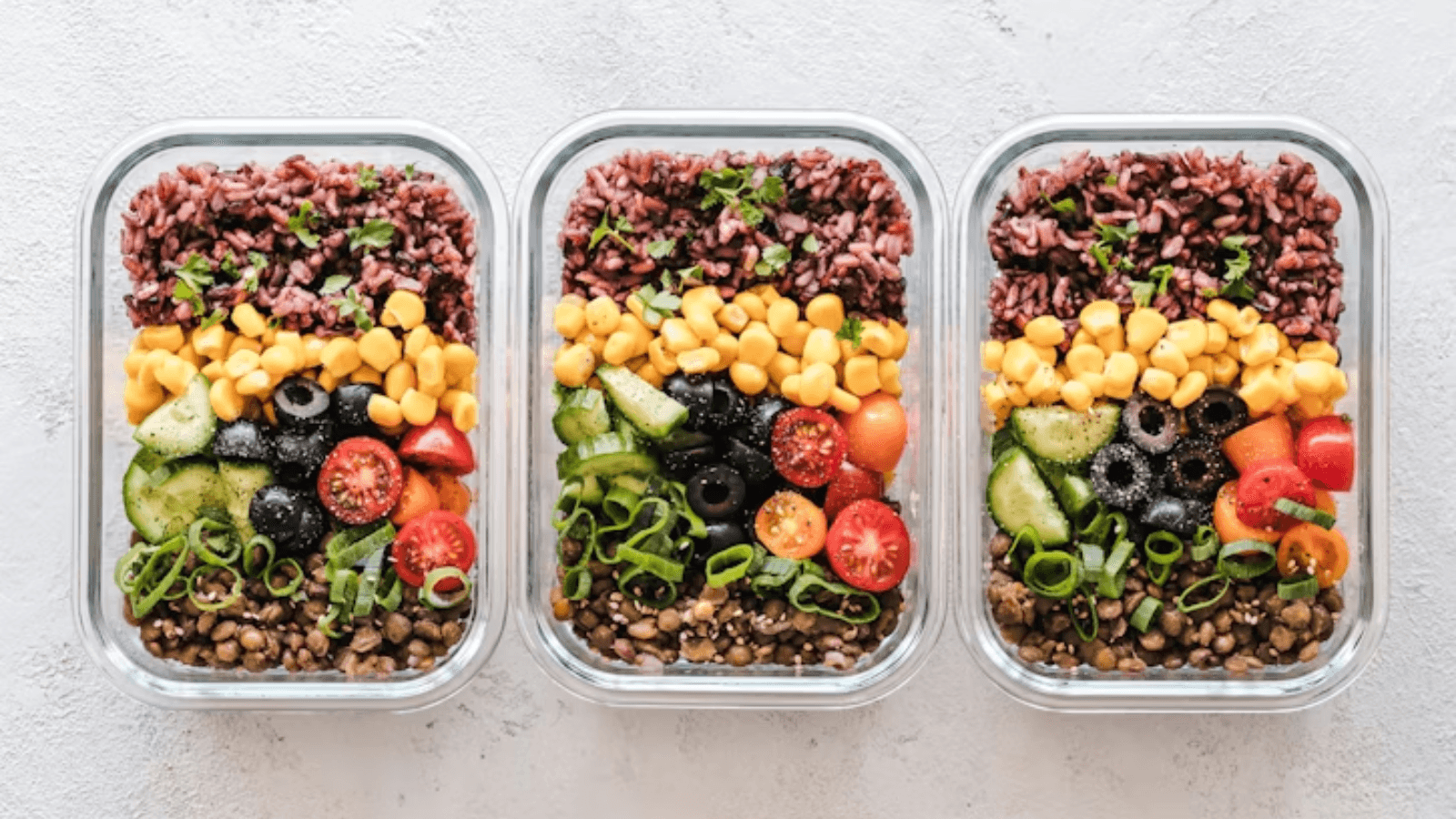
The humble lunch box evolved from rugged tin pails carried by laborers into colourful character-themed collectibles loved around the world. (unsplash)
Workers Started It All: In the late 1800s, factory workers, miners, and railroad laborers carried meals in sturdy metal pails to protect their food during long workdays. These containers were practical rather than stylish. (wikimedia commons)
The First Kid’s Lunch Box Arrived in 1902: The first lunch box designed specifically for children debuted in 1902. It resembled a small picnic basket and featured cheerful illustrations of children playing. (wikimedia commons)
The 1950s Made Lunch Boxes Cool: Television transformed lunch boxes into status symbols. Companies began printing famous TV characters and cowboys onto metal boxes, encouraging kids to buy a new design every school year. (wikimedia commons)
Children Reused Cookie and Tobacco Tins: By the 1880s, children began copying adults by carrying lunches in empty tobacco or cookie tins. These improvised containers became the earliest school lunch boxes. (wikimedia commons)
From Metal to Modern Bento Boxes: By the 1970s and 1980s, plastic lunch boxes replaced heavy metal ones because they were lighter and cheaper to make. Today’s lunch containers range from soft insulated bags to Japanese bento boxes and Indian tiffins, reflecting a growing focus on convenience, food safety, and sustainability. (wikimedia commons)