Jaiyaxh On Creator Burnout And Online Fame The Internet Is My Job Now
Hindustan Times
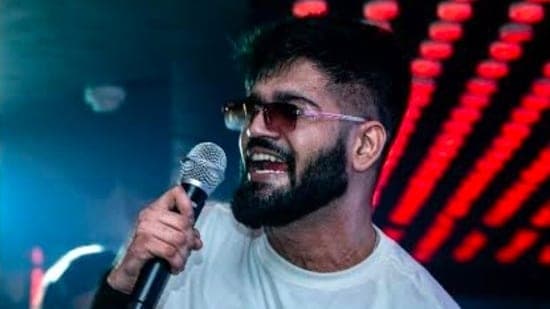
Weighing in on the shifting landscape of digital prominence, Jaiyaxh says talent from digital and traditional media serve different purposes despite often catering to the same audiences.
“I don’t think we’re influencing people more than traditional celebrities,” he notes. “People are always going to look up to traditional celebrities because they seem larger than life. But influencers have a strong hold on this generation because they seem accessible, reachable and relatable.”
That accessibility, he believes, is what sets internet fame apart. Unlike actors or television personalities who appear periodically, online creators become part of viewers’ everyday routines. “Since you see influencers or creators every single day, you form a bond or a sort of parasocial relationship. People are more involved in their day-to-day activities than they are with traditional celebrities,” he explains. Yet that closeness comes with its own obligations, he asserts.
“There’s definitely pressure. You always feel like you’re being timed, like you have to do the next thing,” Jaiyaxh says. “Imagine how exhausting social media is for consumers. If you’re a creator, you’re probably using it more than a normal consumer. The exhaustion is definitely multiplied.”
He is candid about the performative nature of content creation, despite audience expectations of authenticity. “My personality online is not really me. It is definitely a performance. It’s an act,” he admits. “I might have moments where I appear more real or be myself, but that’s not entertaining. That’s not something that would get me results, so I don’t do that. It’s a job.”
Still, Jaiyaxh says experienced creators learn to draw boundaries between their virtual persona and real-life personality. “People who have been in this for a while tend to find ways to balance it out and find time for themselves that is not online.”