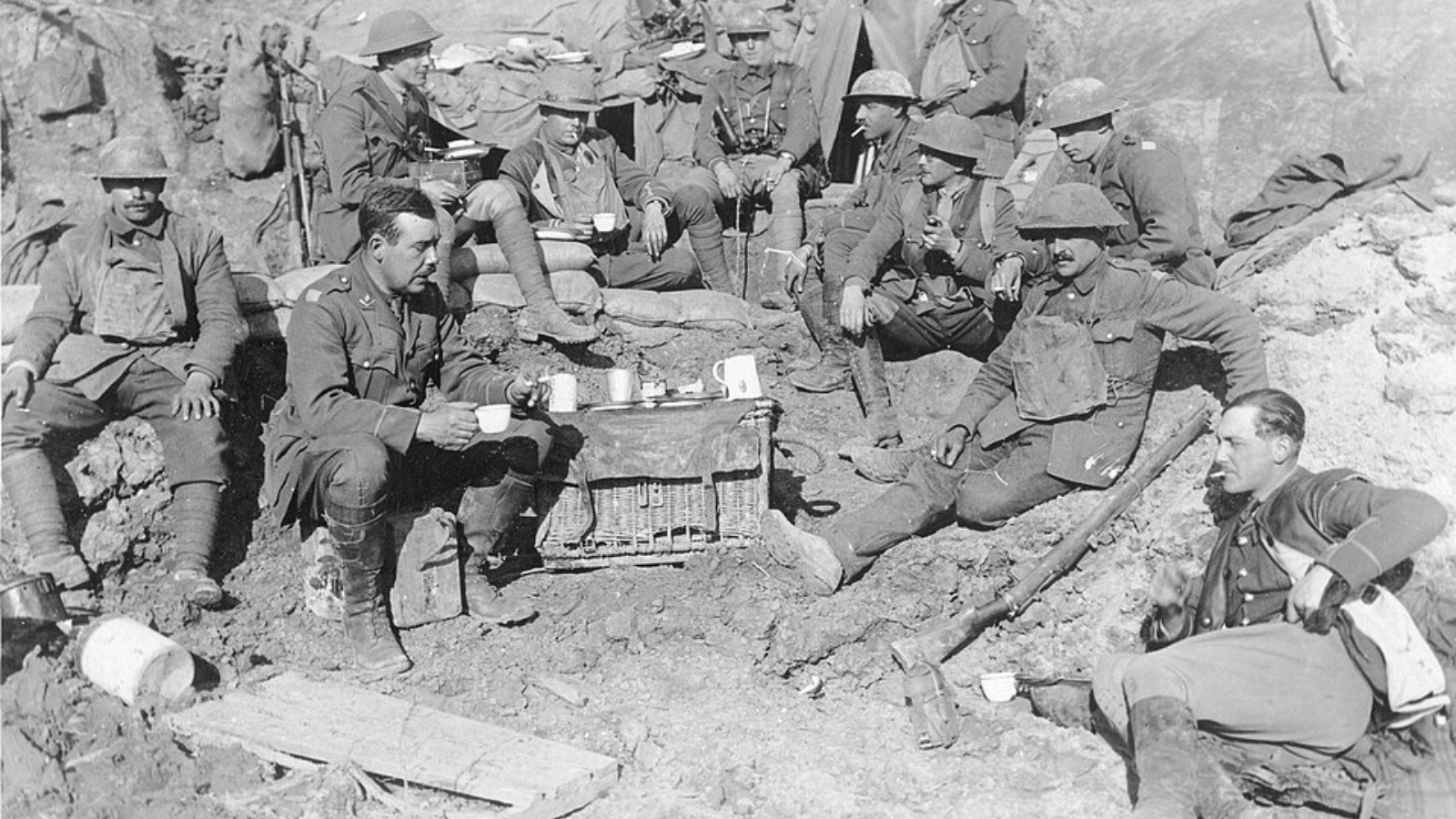
In the 19th century, tea was a valuable commodity controlled largely by China. Britain depended on Chinese tea and wanted to break that monopoly. The solution was extraordinary: the British East India Company recruited a botanist, Robert Fortune, to secretly obtain tea plants and learn the closely guarded techniques behind their cultivation and production. (wikimedia commons) Britain Had a Tea Problem: By around 1800, tea had become Britain's most popular drink, but there was a major problem for the British Empire: China was the world's principal source of tea. Britain wanted to establish its own supply rather than remain dependent on Chinese producers. (wikimedia commons) Enter Robert Fortune: The East India Company recruited Robert Fortune, a Scottish botanist and plant collector, for a remarkably secretive mission. His task was to travel to China, obtain tea plants and bring the knowledge needed to grow and manufacture tea in India, then a British colony. (wikimedia commons) He Didn't Just Steal Seeds: Fortune's mission went beyond acquiring tea seeds and plants. He also learned about the techniques Chinese producers used to cultivate, dry, process and manufacture tea. This knowledge was crucial to Britain's plan to establish a successful tea industry in India. (wikimedia commons) The Mission Changed India's Tea Industry: The plan ultimately succeeded. Tea plants and knowledge from China were introduced into India, helping the country develop into a major tea Producer. According to the reference, India overtook China as the world's largest tea producer during Fortune's lifetime. (wikimedia commons) China Eventually Took the Lead Back: India's period as the world's biggest tea producer did not last forever. China eventually reclaimed the top position, although it took more than a century. India remains a major producer and was the world's second largest tea producer according to the source. (wikimedia commons) One of History's Strangest Espionage Stories: Historian Sarah Rose described Fortune's mission as the inspiration for her book For All the Tea in China, while another historian called it the “greatest single act of corporate espionage in history.” What began as an attempt to break China's tea monopoly ultimately helped reshape the global tea industry. (amazon.in)