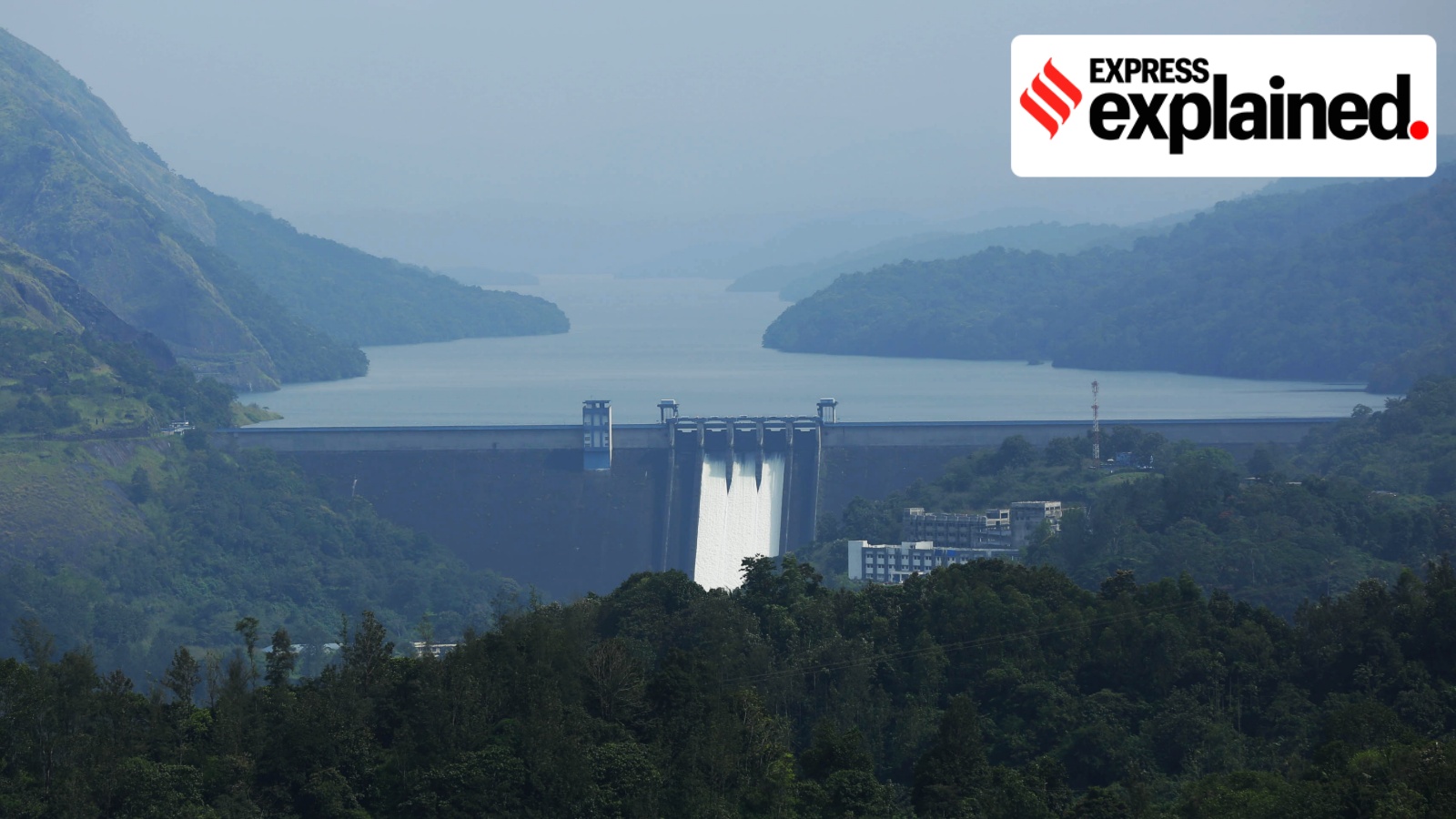
With barely three weeks left for the southwest monsoon to withdraw, Keralam is facing an unusual power crisis.
Although peak summer is now over, several parts of the state have seen night-time power cuts and restrictions. For the last week, the state-run Keralam State Electricity Board (KSEB) has instituted power cuts lasting between 30 minutes and an hour at different spells for managing peak-hour energy demand.
In Keralam, power demand rises at night, as domestic consumers make up 75% of the state’s power connections. The CPIM-led Opposition has blamed the ruling Congress for poor crisis management.
So, What Is driving this situation? How Keralam generates power, the changing nature of electricity demand, and the monsoon are some of the factors responsible for it.
Growing demand, limited supply
According to the KSEB, the state’s average daily demand for power in September 2026 was 5,000 megawatts (MW) as against 3,794 MW in September 2025. The state has met only 4,200 MW, resulting in a shortage.
On the generation side, Keralam produces only 1,650 MW and gets 1,500 MW from the Central pool. The Union Ministry of Power periodically allocates power generation capacity to states from its pool of unallocated quota in Central Generating Stations (CGS), which are large power-generating stations. Electricity as a subject comes under the Concurrent List of the Constitution, meaning both the Centre and the states have jurisdiction over it.
Another 300 MW comes to the state under a long-term power purchase agreement, and 100 MW comes from a short-term agreement with generators in India’s power market.
In general, the state generates only 25% of its actual requirement from various sources, including hydel, solar and wind. In comparison, Andhra Pradesh meets 86% of its power demand from its own generation; Telangana stands at 67%, Karnataka at 60% and Tamil Nadu at 50%.
Notably, Kerala is a leading state nationally when it comes to rooftop solar power generation. Kerala’s solar production had touched 2,508 MW by the end of May 2026. The vast majority of this installed capacity (around 2,036 MW) comes from rooftop panels. Under the PM Surya Ghar scheme, Kerala has 2.96 lakh installations covering 3,03,531 households. Its installed capacity from PM Surya Ghar alone is 1,150 MW.
The neighbouring state of Karnataka, in comparison, has only 22,383 installations covering 33,843 households, with an installed capacity of 91 MW. But solar power generation does not help Kerala meet the nighttime demand given a lack of options to store that power. The KSEB has lined up a slew of Battery Energy Storage Systems (BESS) that are yet to become operational.
The El Niño effect, or the abnormal warming of surface waters in the equatorial Pacific Ocean that can suppress the monsoon in India, has been witnessed this year. The southwest monsoon has been weak during the June-September period, with Keralam recording a 26% deficit in seasonal rainfall till September 11. The deficit in Idukki district, which houses the largest hydel power reservoir, is 47%.
Official data shows that the water storage in all KSEB reservoirs was only at 63.75% of the maximum storage level as of September 10. Last year, dam storage was 80.29% of the total capacity. This has forced the KSEB to throttle down hydro power generation, considering the withdrawal of the monsoon and higher temperatures in the next few weeks.
Combined effects, few avenues to supplement demand
The poor monsoon, dry spell, and sudden spike in temperature in Kerala since the fourth week of August have contributed to an increase in power demand mainly for domestic consumers.