The Fascinating Story Behind A Country Born By Mistake
I
Indian ExpressVerified Publisher
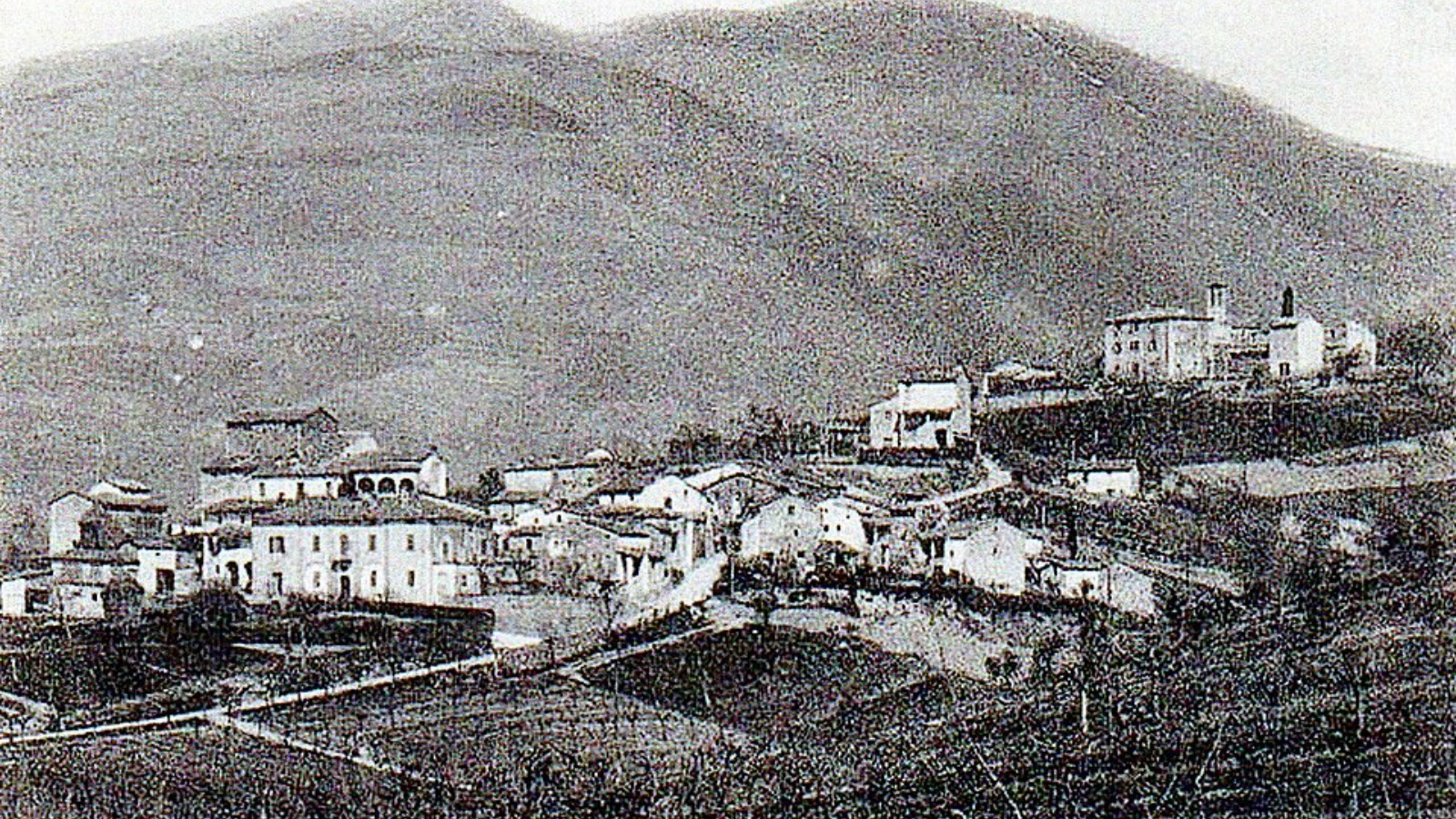
What if a simple cartographic error created an entirely new country? That's exactly what happened in 19th-century Europe, when a surveying mistake gave rise to one of history's most unusual micronations, the Free State of Cospaia What if a simple cartographic error created an entirely new country? That's exactly what happened in 19th-century Europe, when a surveying mistake gave rise to one of history's most unusual...
What if a simple cartographic error created an entirely new country? That's exactly what happened in 19th-century Europe, when a surveying mistake gave rise to one of history's most unusual micronations, the Free State of Cospaia. Its accidental creation turned a tiny village into an independent republic that lasted for nearly four centuries. (wikimedia commons)
It All Started With a Mapping Error: In 1441, the Republic of Florence and the Papal States signed a treaty that relied on a local stream to define their border. Surveyors mistakenly identified the wrong stream, leaving a small strip of land unclaimed. (wikimedia commons)
A Village Declared Itself Independent: The residents of Cospaia, realizing that neither Florence nor the Papal States claimed their land, declared themselves independent. Thus, the Free State of Cospaia was born not through war or revolution, but by accident. (wikimedia commons)
It Had No King or Formal Government: Unlike most European states, Cospaia had no monarch, constitution, or standing army. The tiny republic was governed informally by local families and village elders, making it one of history's most unconventional states. (wikimedia commons)
Tobacco Made the Republic Prosper: After tobacco was introduced to Europe, Cospaia became one of the first places on the Italian Peninsula to cultivate it freely. Since the republic imposed no taxes or trade restrictions, tobacco farming became its economic backbone. (wikimedia commons)
It Survived for Nearly 400 Years: Despite covering less than a square mile and having only a few hundred residents, Cospaia remained independent from 1441 until 1826, an extraordinary lifespan for a nation created by a geographical mistake. (wikimedia commons)
It eventually rejoined Italy's Predecessor States: In 1826, the Free State of Cospaia voluntarily dissolved, and its territory was divided between the Papal States and the Grand Duchy of Tuscany. Today, its remarkable history remains a testament to how a simple mapping error created one of the world's most unusual republics. (wikimedia commons)