Step Inside This Beautiful Traditional Ancestral Home In Karnataka Where Rishab Shetty Kantara Was Filmed
H
Hindustan TimesVerified Publisher
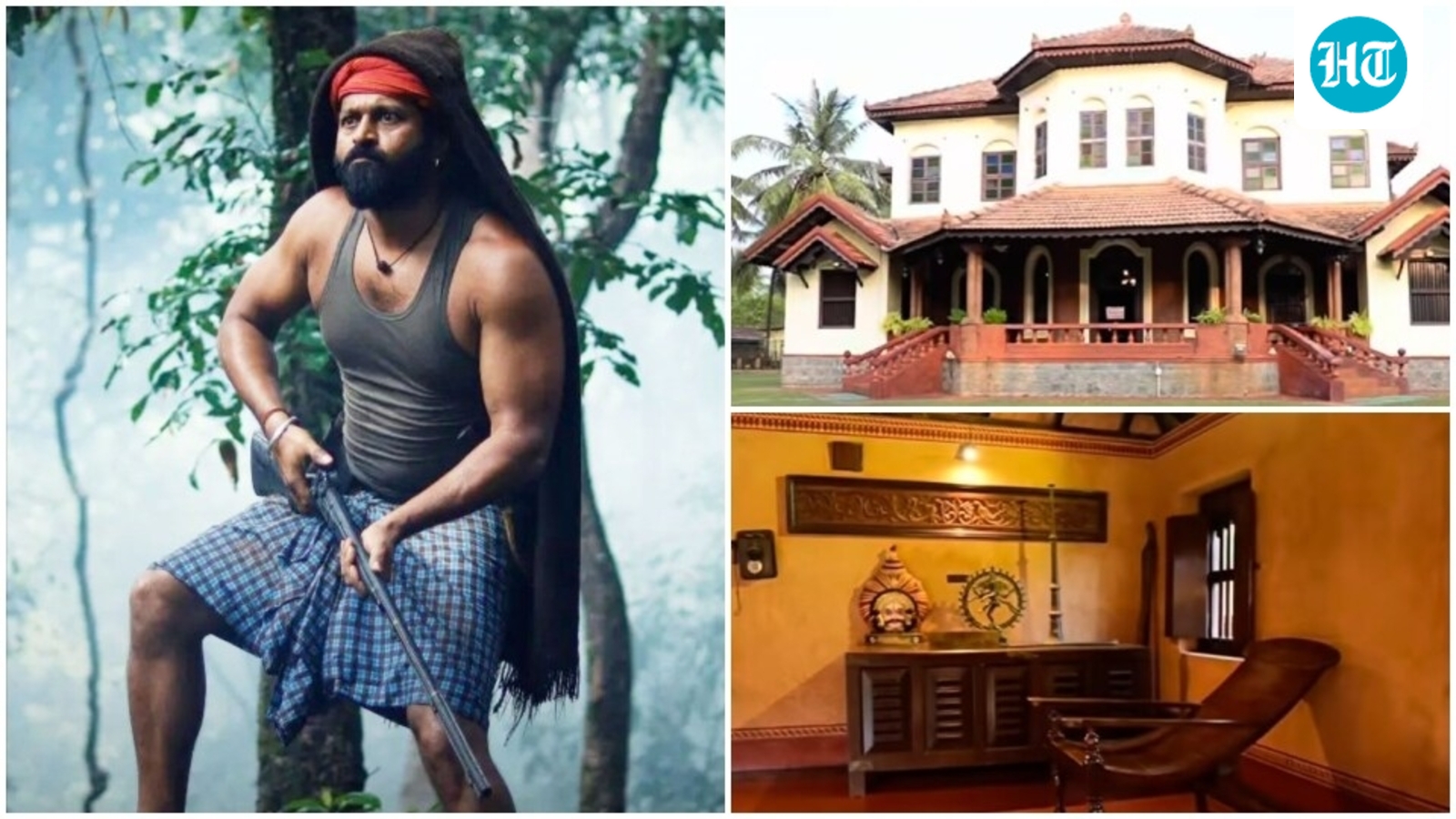
According to the video, the house is part of Sai Radha Heritage Resort. The traditional house is typically called Guthu Mane, which means ancestral house. The property exemplifies classic heritage architecture through features like a central courtyard, double-tiled roofing for natural cooling, and an antique accountant's desk. Let's take a look inside: The sitting room leads to the courtyard, which is in the centre of the house. It is also the place where the dining table is set, and where Rishab Shetty and the villain were seated in the movie,
. The property exemplifies classic heritage architecture through features like a central courtyard, double-tiled roofing for natural cooling, and an antique accountant's desk. Let's take a look inside:
The sitting room leads to the courtyard, which is in the centre of the house. It is also the place where the dining table is set, and where Rishab Shetty and the villain were seated in the movie, and the climax was shot.
The courtyard reveals an open verandah, called ikat in Udupi, with a manicured lawn, double-slanted tile ceilings to cool the house so one doesn't need to use an AC, arched laterite columns, antique ceiling lamps, and solid wooden rafters. It also features a jharokha-style window with a built-in seat, where landlords would sit and talk to people who came to meet them.
The video also showcases a very ancient jewellery box in the courtyard, featuring 30 places built inside where you can keep your jewellery. There is also an accountant's desk, where you sit with their ledgers and, uh, do the daily accounting. I can still see some books inside.
Another unique detail is an antique swing with a very ancient fan built into the top that moves when the swing moves. The video also gave a glimpse of the rustic kitchen. The house has about four bedrooms, two upstairs and two downstairs.
The video also showed the other entrance of the house, featuring an ancient hand-drawn artwork which was taken from a Brahman's house in Sirsi. The entrance also has a unique, traditional antique doorway with hand-carved details.
The lawn outside the house also has a traditional well with a red-tiled, slanted ceiling that provides shade for the water.
Krishna Priya Pallavi is a journalist with over 9 years of experience, covering health, fashion, pop culture, travel, wellness, entertainment, festivals, mental health, art, decor, fitness, and sex and relationships. She is an alumna of the Indian Institute of Mass Communication (IIMC), Dhenkanal, and holds an undergraduate degree in Journalism and Mass Communication from Guru Gobind Singh Indraprastha University, Delhi. Her strong academic foundation informs her analytical and detail-oriented approach to storytelling, helping her uncover stories where none seem to exist. Before joining Hindustan Times, Pallavi worked with some of India’s leading media organisations. She spent close to three years at India Today, where she honed her newsroom skills and developed a sharp editorial sensibility. She also worked for over a year and a half at Vagabomb, ScoopWhoop’s feminist digital platform, where she explored stories through a gender-sensitive, socially aware lens. Pallavi has a deep interest in global fashion trends and international fashion seasons, and enjoys interviewing celebrities and tracking pop culture movements—interests that frequently translate into engaging, reader-friendly stories. Alongside lifestyle and entertainment, she has a keen eye for impactful health and wellness journalism, regularly interacting with doctors, designers, and digital content creators to bring nuance and credibility to her work. Born and raised in Haryana, Pallavi remains deeply connected to her ancestral roots in Odisha. Her ability to spot fresh angles brings curiosity and depth to stories she pursues. When not chasing deadlines, she enjoys spending time with her dog, planning her next vacation, reading, running new trails, and discovering new destinations.Read More