Punjab Assembly Passes Outsourced Personnel Bill 2026 Contractual Status
I
Indian ExpressVerified Publisher
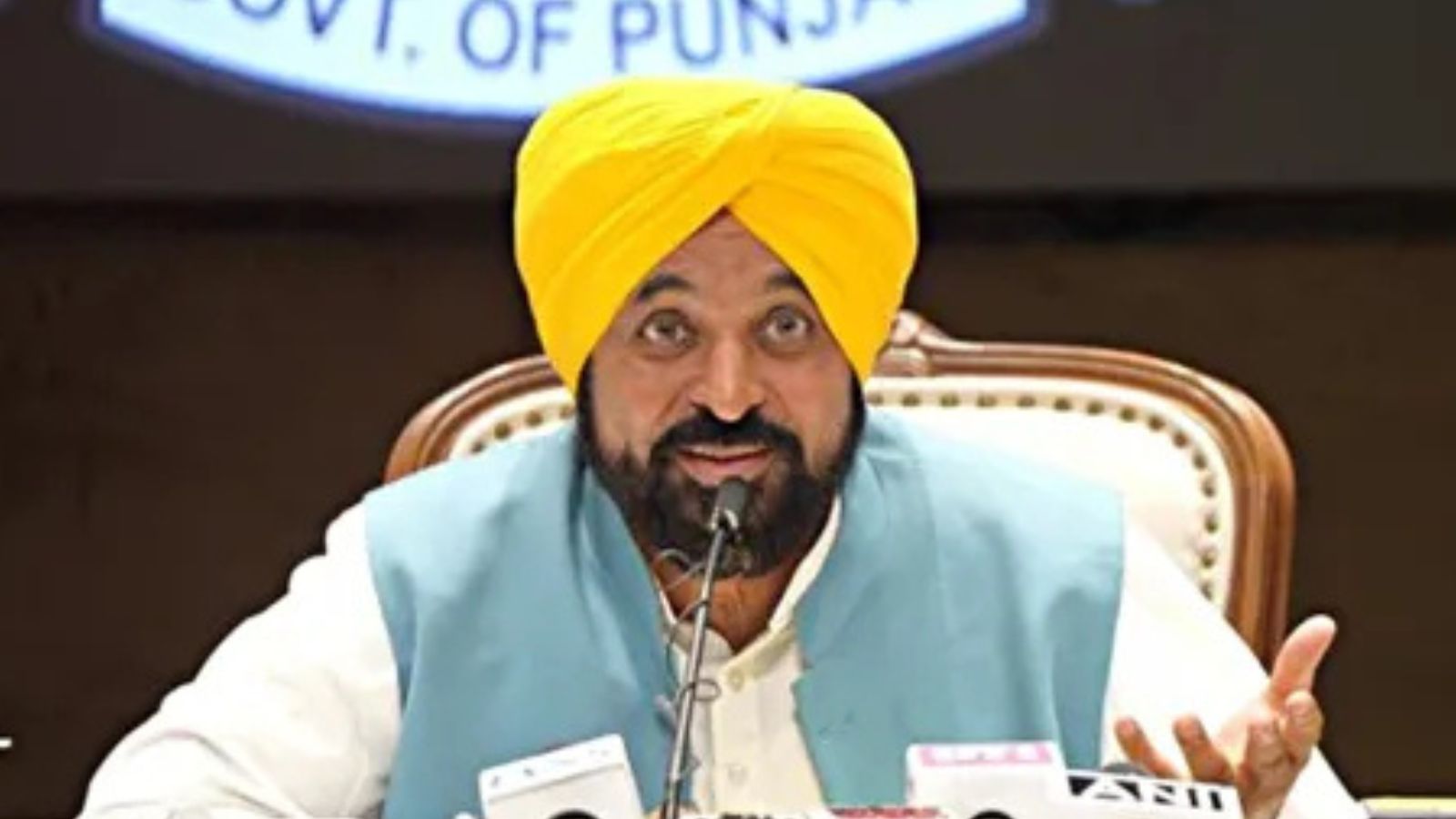
The Punjab Vidhan Sabha Monday unanimously passed a Bill to bring 26,000 to 28,000 outsourced employees under direct contractual engagement with the government, paving way for them to receive statutory benefits such as provident fund (PF), gratuity, maternity The Punjab Vidhan Sabha Monday unanimously passed a Bill to bring 26,000 to 28,000 outsourced employees under direct contractual engagement with the government, paving way for them to receive...
The Punjab Vidhan Sabha Monday unanimously passed a Bill to bring 26,000 to 28,000 outsourced employees under direct contractual engagement with the government, paving way for them to receive statutory benefits such as provident fund (PF), gratuity, maternity leave, and 10 days of casual leave per year.
Tabled by Finance Minister Harpal Singh Cheema on the concluding day of the monsoon session, the Punjab State Outsourced Personnel (Transition to Contractual Engagement) Bill, 2026 creates two categories of outsourced personnel — those engaged in hazardous occupations and those in non-hazardous jobs.
Workers in hazardous occupations, including sanitation and sewer work and those working on electricity poles, will be eligible for contractual status after three years of service, while those in other categories will get it in five years.
Cheema said the legislation would provide relief to workers who had remained outsourced for upto 15 years. He accused successive Akali-BJP and Congress governments of allowing such workers to be exploited and said the AAP dispensation was attempting, through legislation, to provide job security to long-serving outsourced employees.
Participating in the discussion on the Bill, Shiromani Akali Dal’s Manpreet Singh Ayali said it lacked specific provision giving preference to Punjab-domiciled candidates. Cheema said the Bill was not intended to create new jobs but to provide contractual status to people already engaged with the government. Their domicile, educational qualifications and length of service would be verified before they were considered.
To a point raised by Congress member Tript Rajinder Singh Bajwa, Cheema said that employees engaged under centrally sponsored Schemes would continue to be governed by those schemes. He said extending the proposed provisions to such workers may leave the entire financial burden on Punjab if the Centre reduced or withdrew its share, particularly in schemes funded in a 60:40 ratio.
Chief Minister Bhagwant Mann termed the proposed legislation a step towards ending contractual exploitation, Mann said the government had received complaints from outsourced workers that contractors didn’t pay them the promised salary, while threatening them with dismissal or replacement.
“The government pays the full amount as per the contract, but exploitation starts thereafter,” Mann said, arguing that intermediaries earned money without making any productive investment while workers bore the cost.
Mann said that 15-22 per cent commission currently charged by the outsourcing agencies will no longer be deducted as that money and the corresponding benefit will accrue to the employees.
He the Bill would cover eligible outsourced Group C and Group D workers engaged in essential public services, including electricity, firefighting and other services without which normal life could not function. In the first phase, he told the House, 26,000 to 28,000 outsourced employees will immediately benefit from this initiative.
Workers who did not initially possess prescribed minimum educational, technical or experience qualifications would be given an opportunity to acquire the required qualifications through short-term courses within a year, he said. The remuneration paid to the employees will not be less than their existing salary or the legally prescribed minimum wage, whichever is applicable, he said.
Apart from PF and gratuity, they will be entitled to ESI benefits, will receive the maternity leave and, like regular employees, will be entitled to 10 days of casual leave per year, he said.
“This is one of the biggest decisions in Punjab’s history for the welfare and rights of employees. From today, the decades-old system of contractual outsourcing in Punjab will come to an end. The role of private contractors in government employment will be eliminated, establishing a direct relationship between the government and the worker,” he said. “These employees will no longer remain outsourced; they will now become members of the government family,” he added.