Protein Eating Mainstream Breakfasts
I
Indian ExpressVerified Publisher
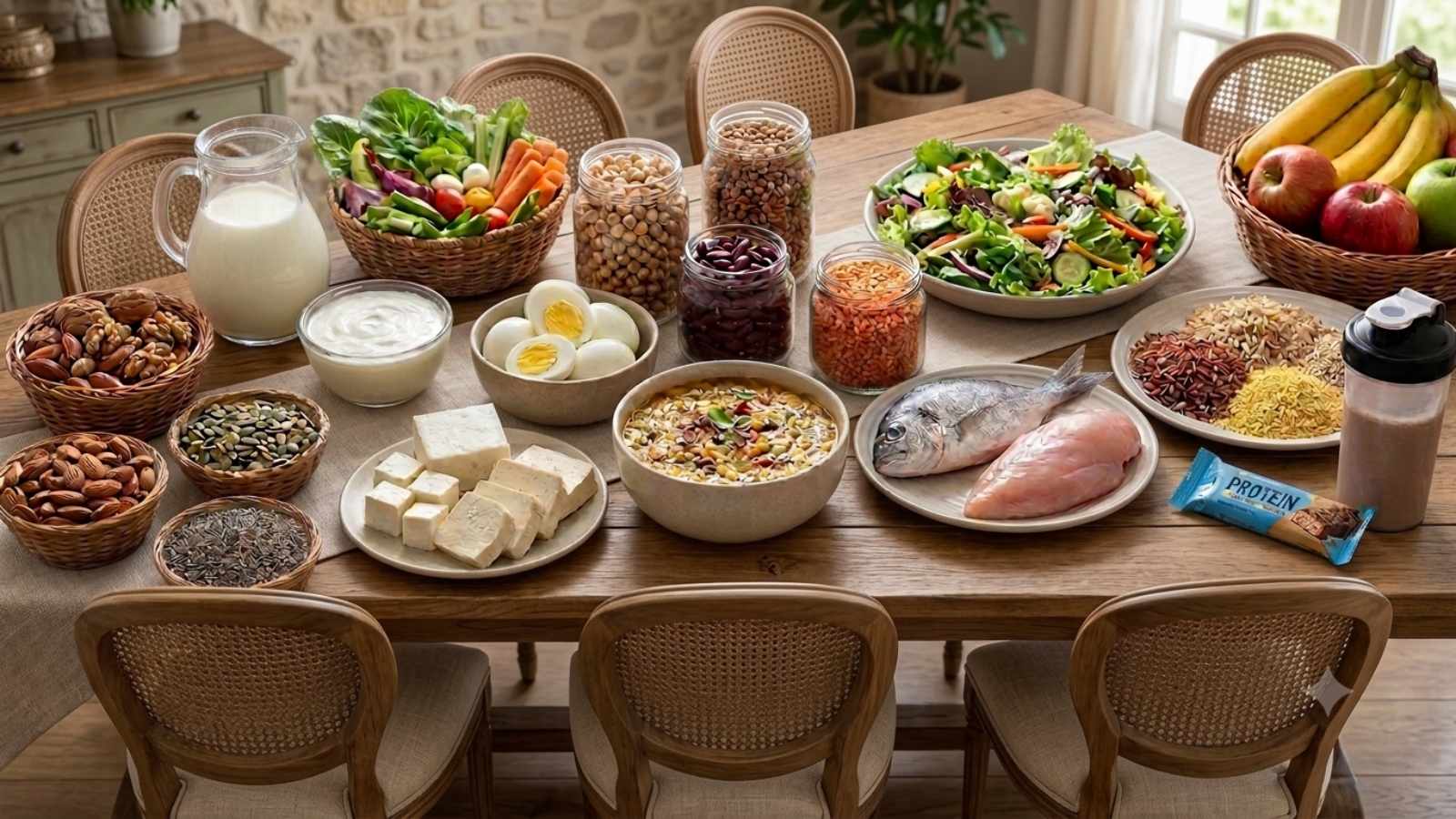
Protein has moved from being a nutrient discussed mainly in fitness circles to becoming a mainstream part of everyday eating. From protein-rich breakfasts and snacks to shakes and bars, many people are consciously trying to increase their intake Protein has moved from being a nutrient discussed mainly in fitness circles to becoming a mainstream part of everyday eating. From protein-rich breakfasts and snacks to shakes and bars, many people...
Protein has moved from being a nutrient discussed mainly in fitness circles to becoming a mainstream part of everyday eating. From protein-rich breakfasts and snacks to shakes and bars, many people are consciously trying to increase their intake. But in the process of chasing a protein target, we can sometimes lose sight of the bigger picture: how much protein we actually need, where it is coming from, and what comes along with it.
A healthy diet is not defined by protein alone. The quality of the overall diet, including healthy fats, fibre, vitamins, minerals and the amount of sodium, saturated fat and calories consumed, matters just as much. Here are some common mistakes to avoid while trying to meet your protein needs.
Protein requirements are individual and can vary depending on age, body weight, sex, physical activity, health status and specific nutritional goals. For a generally healthy adult, the basic reference intake is around 0.8–1 g of protein per kg of body weight per day, while people who are regularly active may require more depending on the intensity and nature of their training. Older adults may also benefit from higher protein intake because ageing is associated with reduced muscle responsiveness to protein, often referred to as anabolic resistance. Some expert groups suggest around 1.0–1.2 g/kg/day for healthy older adults, with requirements potentially higher in certain clinical situations. The important message is simple: One size does not fit all.
Once your body’s protein requirement has been adequately met, simply adding more is not necessarily going to provide additional benefits. Excess protein also contributes calories, and if those additional calories are not accounted for, they can push total energy intake higher than intended.
The aim should therefore be to consume adequate protein, rather than automatically pursuing a high-protein diet. The requirement should be calculated according to the individual’s needs instead of treating protein as a nutrient where “more is better.”
For many Indians, breakfast may consist of tea with poha, upma, bread or another predominantly carbohydrate-based meal. These foods can certainly be part of a healthy breakfast, but the meal may end up being relatively low in protein.
A simple way to improve this is to add a protein source rather than completely changing the meal. Depending on dietary preferences, this could mean adding milk or curd, paneer, tofu, eggs or a dal-based preparation. The objective is to make protein a regular part of the day rather than trying to compensate for a low-protein breakfast later.
Protein intake does not have to be treated as a number that needs to be “completed” at dinner. Instead, it is useful to distribute protein across the day. Having a meaningful protein source at breakfast, lunch, dinner and, where appropriate, snacks can make it easier to meet individual requirements while also supporting muscle protein synthesis.
A practical approach is to think of meals as opportunities to include protein rather than having one extremely protein-heavy meal.
A food being labelled “high protein” does not automatically make it a healthy choice. When choosing packaged protein foods, it is important to look beyond the protein number and check saturated fat, sodium, added sugars, total calories and the degree of processing. Some highly processed products may provide substantial protein but also contain considerable amounts of sodium, saturated fat or other ingredients that may not fit well into an individual’s overall dietary needs.
The question should therefore not be simply, “How much protein does this contain?” but also, “What else am I getting with that protein?”
Protein bars, ready-to-drink shakes, cereals, snacks and other packaged products can be convenient, but convenience should not replace dietary variety.
There are plenty of minimally processed protein-rich foods available, dal, beans, chickpeas, soy, tofu, paneer, curd, milk, eggs, fish, poultry, nuts and seeds, depending on one’s dietary preferences.
Protein supplements can have a place, particularly when dietary intake is difficult to achieve, but they should be viewed as a convenient tool rather than the foundation of a healthy diet.
Not all protein sources are equal in terms of their amino-acid profile and digestibility. Proteins are made up of amino acids, including nine essential amino acids that the body cannot make on its own and therefore needs to obtain from food. Many animal-derived proteins are considered high-quality proteins because they generally provide all essential amino acids in favourable proportions and are highly digestible. Plant proteins can also make a substantial contribution to protein intake, although individual sources may differ in their amino-acid profiles and digestibility.
People following predominantly plant-based diets should aim for variety and complementarity. Combining different plant protein sources can help improve the overall amino-acid profile of a meal or day’s diet.
Protein provides the raw material required for muscle maintenance and growth, but simply increasing protein intake without physical training is unlikely to produce the desired muscle-building outcome.
For people looking to build or preserve muscle, adequate protein works best alongside regular resistance or strength training, sufficient energy intake and recovery. Current exercise guidance continues to emphasise resistance training as an important component of improving muscle strength and hypertrophy.
Another common mistake is adding protein foods on top of an already adequate diet without adjusting anything else. For example, adding a protein shake, protein bar and high-protein snack every day may significantly increase total calorie intake. If the goal is weight management, this can work against the individual’s overall energy balance.
The focus should therefore be on replacing or balancing foods intelligently, rather than simply adding more food because it contains protein.
Meeting your protein requirement is important, but meeting it intelligently is even more important.
(Sandhya Pandey is chief dietician, Medanta hospital, Gurugram)