Gujarat Hc Sbi Cash Officer Bail Rs 1 93 Crore Atm Case
I
Indian ExpressVerified Publisher
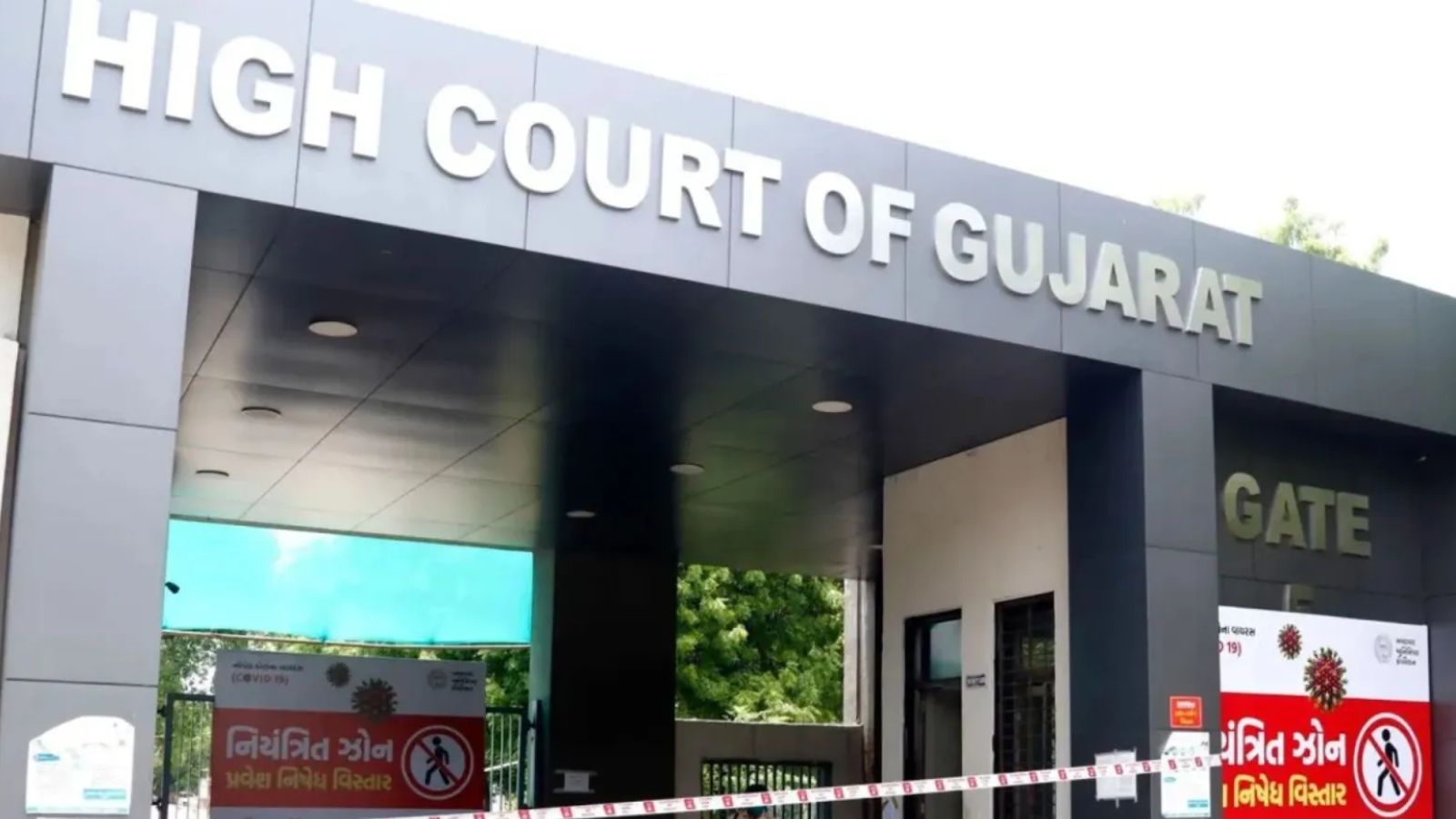
A cash officer of the State Bank of India (SBI) in Gujarat allegedly manipulated ATM and bank records to siphon off Rs 1.93 crore while the bank s system continued to show the cash as deposited. The Gujarat High Court has rejected his second successive bail pl A cash officer of the State Bank of India (SBI) in Gujarat allegedly manipulated ATM and bank records to siphon off Rs 1.93 crore while the bank s system continued to show the cash as deposited. The...
A cash officer of the State Bank of India (SBI) in Gujarat allegedly manipulated ATM and bank records to siphon off Rs 1.93 crore while the bank’s system continued to show the cash as deposited. The Gujarat High Court has rejected his second successive bail plea, calling it a “serious white-collar economic offence”.
Justice H D Suthar rejected the bail plea of Bangmoy Chakravarti, who has been in custody since November 28, 2025, in connection with an FIR registered at Rajpipla Police Station in Narmada district under provisions of the Bharatiya Nyaya Sanhita and the Prevention of Corruption Act.
According to the prosecution, Chakravarti was responsible for withdrawing cash from SBI’s currency chest at its Rajpipla branch and loading it into ATMs and cash deposit machines across the town. Investigators said he instead used his administrative credentials to manipulate the balances displayed by the ATM systems, allowing him to withdraw cash while leaving the machines showing the minimum required balance.
He allegedly concealed the shortfall by making entries in the bank’s Core Banking System showing that cash had been deposited when, according to the prosecution, it had not.
The court order records four alleged withdrawals: Rs 39.98 lakh from the SBI ATM at Rajpipla Station Road; Rs 39.92 lakh from the ATM at Swaminarayan Gurukul, Poicha; Rs 62 lakh from ATM No. 465624; and Rs 51.64 lakh from ATM No. 465625 at Santosh Chowkdi.
Investigators traced the allegedly misappropriated money to Chakravarti’s accounts and to accounts of people described as his relatives in Uttar Pradesh, Bihar, and Jharkhand. The money was subsequently moved through UPI, RTGS, and NEFT transactions to accounts with ICICI Bank. The investigation has so far traced transactions worth about Rs 2.34 crore, according to the prosecution, which is being probed.
Investigators also found what the court described as a significant digital trail.
Chakravarti was transferred to Nasvadi branch in the neighbouring Chhota Udepur district on October 17, 2025. However, his Cash Officer ID and password allegedly remained active until November 6. Investigators found irregular entries dated October 28, October 30, and November 3.
The court also noted that CCTV footage allegedly placed Chakravarti at the relevant ATMs at the time in question, while his phone location data allegedly matched the ATMs’ locations.
The defence argued that Chakravarti had been falsely implicated and that the investigation was complete, the chargesheet had been filed, and there was nothing further to recover. His lawyer also pointed out that he had no criminal antecedents.
The State opposed bail, arguing that the case involved the alleged siphoning of a substantial amount from SBI. It claimed that Chakravarti had absconded after the offence and had allegedly taken assistance from the local police in Jharkhand before being apprehended by the Gujarat Police.
The prosecution also expressed apprehension that his release could enable him to tamper with evidence or influence witnesses.
The Gujarat High Court considered the state’s view and cited Supreme Court precedents. The court said that economic offenders who escape justice leave “the entire community aggrieved,” and such offences are “committed with cool calculation and deliberate design” for personal profit, “regardless of the consequence to the community.”
The court also drew on the CBI case against YS Jagan Mohan Reddy and said “economic offences constitute a class apart,” calling for a stricter approach to bail. The court added that personal liberty is not absolute where it risks jeopardising the rights of others and those involving deep-rooted conspiracy and huge financial loss “are required to be viewed seriously and examined differently.”
The court also noted that the case was not based merely on statements of co-accused or suspicion. It referred to the CCTV footage, mobile-location data, and financial trail collected during the investigation.
It also said the possibility of tampering could not be ruled out given the electronic and financial nature of the evidence.
Aditi Raja is an Assistant Editor with The Indian Express, stationed in Vadodara, Gujarat, with over 20 years in the field. She has been reporting from the region of Central Gujarat and Narmada district for this newspaper since 2013, which establishes her as a highly Authoritative and Trustworthy source on regional politics, administration, and critical socio-economic and environmental issues. Expertise: Core Authority & Specialization: Her reporting is characterized by a comprehensive grasp of the complex factors shaping Central Gujarat, which comprises a vast tribal population, including: Politics and Administration: In-depth analysis of dynamics within factions of political parties and how it affects the affairs in the region, visits of national leaders making prominent statements, and government policy decisions impacting the population on ground. Crucial Regional Projects: She consistently reports on the socio-economic and political impact of infrastructure projects in the region, especially the Statue of Unity, the Sardar Sarovar Project on the Narmada River, the Mumbai-Ahmedabad High Speed Rail bullet train project as well as the National Highway infrastructure. Social Justice and Human Rights: Her reporting offers deep coverage of sensitive human-interest topics, including gender, crime, and tribal issues. Her reports cover legal proceedings from various district courts as well as the Gujarat High Court (e.g., the Bilkis Bano case remission, POCSO court orders, Public Interest Litigations), the plight of tribal communities, and broader social conflicts (e.g., Kheda flogging case). Local Impact & Disaster Reporting: Excels in documenting the immediate impact of events on communities, such as the political and civic fallout of the Vadodara floods, the subsequent public anger, and the long-delayed river redevelopment projects, Harni Boat Tragedy, Air India crash, bringing out a blend of stories from the investigations as well as human emotions. Special Interest Beat: She tracks incidents concerning Non-Resident Gujaratis (NRIs) including crime and legal battles abroad, issues of illegal immigration and deportations, as well as social events connecting the local Gujarati experience to the global diaspora. ... Read More