Deepika Padukone Background Dancers Couldnt Wear Peach In Bajirao Mastani Song Deewani Mastani
I
Indian ExpressVerified Publisher
Cinema, movies, and film all three mean the same, but signify different aspects of filmmaking, pointed out costume designer Maxima Basu, best known for her work in grand spectacles like Sanjay Leela Bhansali s period war dramas Bajirao Mastani (2015) and Padma Cinema, movies, and film all three mean the same, but signify different aspects of filmmaking, pointed out costume designer Maxima Basu, best known for her work in grand spectacles like Sanjay Leela...
Cinema, movies, and film — all three mean the same, but signify different aspects of filmmaking, pointed out costume designer Maxima Basu, best known for her work in grand spectacles like Sanjay Leela Bhansali’s period war dramas Bajirao Mastani (2015) and Padmaavat (2018) as well as grounded slice-of-life films like Anusha Rizvi’s 2010 black comedy satire Peepli Live and Payal Kapadia’s All We Imagine As Light (2024).
“While cinema is the social narrative, and film is the technique, movie is the branding and associations. If you want to be a professional, you need to master all three,” Basu said, while addressing Screen Academy fellows, including students from Satyajit Ray Film & Television Institute, Kolkata, during a masterclass for Screen Academy, a not-for-profit initiative launched by The Indian Express Group in collaboration with SCREEN and supported by the Lodha Foundation.
She distinguished costume designing from styling, describing the latter as more individual, though styling also seeps into filmmaking at times. “Stylists can also be for films, mostly big-budget films in India. For example, if I’m doing The Devil Wears Prada or The Great Gatsby, and they want Chanel onboard, then Chanel supplies the stylists. As soon as the stylist angle comes in, branding comes in,” she explained.
While that’s the ‘movie’ (branding) aspect of her profession, she placed great stress on the ‘film’ (technique). “Costume departments are often told to make changes at the last moment, and you’re expected to create magic. If you can do that, you can survive in the industry. If you can’t, it’s not for you. It’s like how for a wedding, the venue and the groom get selected, but the bride orders the lehenga only 15 days before the wedding,” said MaximaBasu.
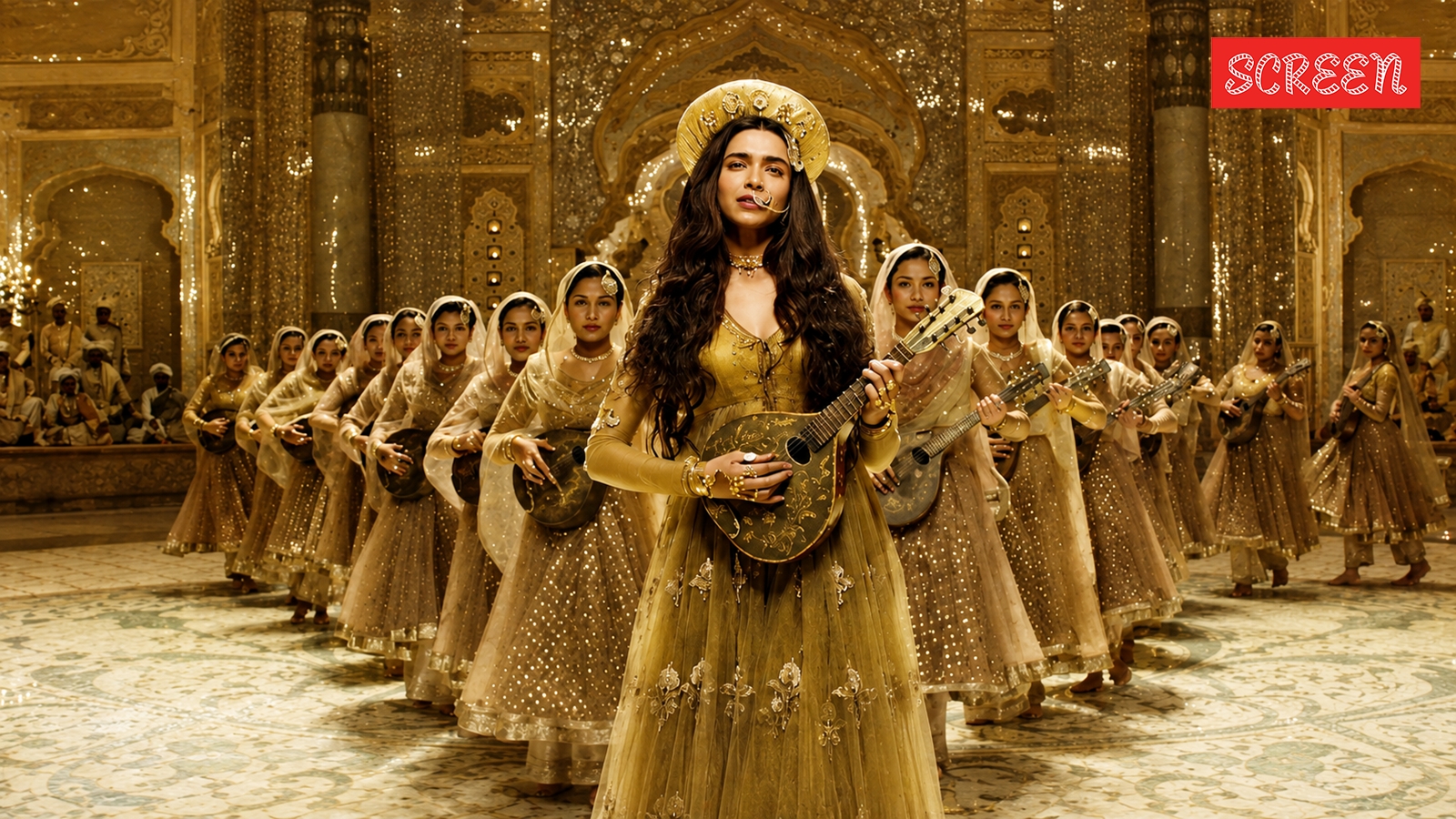
She recalled an instance on the set of Bajirao Mastani, close to the filming of Deepika Padukone’s popular dance song “Deewani Mastani” at a palace of mirrors. “Since Deepika wore the mehendi colour, I told Bhansali back dancers can’t wear peach because they’d distract from the beauty of Deepika. Also, their costume mirror work should look like the background mirror. When you work with colour, you focus on where the eye should go,” argued Basu, adding, “A lot of times, we don’t notice the back dancers because they’re the moving environment.”
She hailed Bhansali’s genius and eye for colour during the filming of the climactic jauhar sequence in Padmaavat. “Bhansali is a master of colours. His genius is that instead of him making a hundred soldiers chase the women, he just kept a black dot of Khilji against a sea of red so that the red the Rajput women are wearing gets even more enhanced,” she said.
Contrast that to All We Imagine As Light, where cinematographer Ranabir Das chose a very specific blue tone to showcase Mumbai in monsoon. “We had to try 20 different kinds of blue to arrive at the colour he wanted,” said Maxima Basu. “It was easier for me to get approvals from Bhansali than it was from Payal and Rinku (Das). Because they’d just say, ‘It doesn’t look correct.’ And I could sense what they meant,” she added.
As far as the ‘cinema’ (art) aspect of costume design is concerned, she underlined the fact that the role of a costume designer is often misinterpreted as just sprucing up the glamour of the film. But it serves a far deeper purpose. She quoted the example of Peepli Live, in which in order to make Shalini Vatsa look like the wife of Nathadas, they had to make her wear the same costume for a month. “She’d only switch to nightwear while sleeping. Also, Anusha didn’t let her wash her hair for a month,” revealed the costume designer.
Maxima Basu also told the students that in order to stay true to the rural aesthetic of the film, she would get the costumes washed in the village lake. “Costumes aren’t done justice in writing. Even if the costumes are described on paper, they’re mostly for a glamorous purpose instead of a logical one. But the good costumes aren’t the ones you can see, but those you can’t see. The more non-noticeable your costumes are, the finer job you’re doing,” she asserted.