Review
Kyrgyzstan Family Dies Delhi Saket Hotel Fire After Successful Liver Transplant
Indian Express
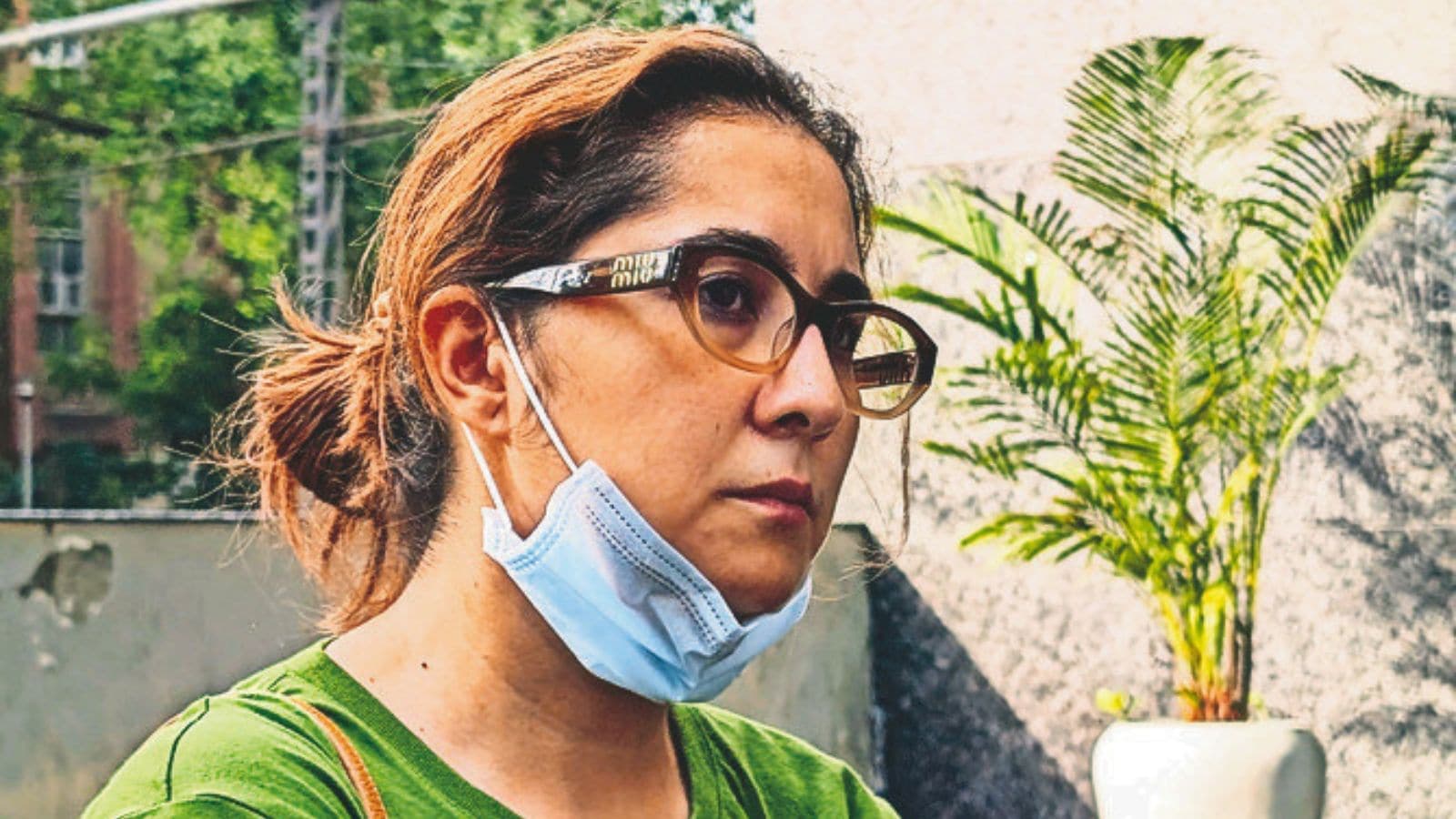
For Nargisa Khan, 53, and her family, it had felt as though they had been given a second chance at life. For years, the Kyrgyzstan resident had battled cirrhosis, her health steadily deteriorating...
For Nargisa Khan, 53, and her family, it had felt as though they had been given a second chance at life.
For years, the Kyrgyzstan resident had battled cirrhosis, her health steadily deteriorating as doctors told the family that a liver transplant was her best hope of survival.
But getting a liver transplant is rarely straightforward. Waiting for a deceased-donor liver transplant in India can be highly unpredictable, with wait times ranging from several months to years because of a severe shortage of donors. Even living-donor transplants come with strict requirements. The donor must be a close relative, medically compatible, ideally with a BMI below 30, and with a liver large enough to sustain the recipient after surgery.
The family spent months worrying about whether they would clear those hurdles.
Humayun, Nargisa’s 26-year-old son, turned out to be a suitable match. He agreed without hesitation to donate a portion of his liver.
What followed was a journey filled with the kind of hope families cling to after years of uncertainty. Humayun called his cousin, Guzal, who has been working with foreign patients at Max Hospital in Saket and has lived in India for more than a decade.
“The surgery was a success. For the family, it was the moment they had been waiting for,” Guzal said.
On Saturday, Nargisa was discharged from Max Hospital. Across the road from the hospital, they checked into Flourish Stays B&B; in Room 303 on the third floor, the three family members settled in.
The miracle, however, lasted only four days.
On Wednesday morning, flames engulfed the building following a suspected short circuit. Nargisa, Humayun, and Makhpirat were among the 21 people killed in the fire.
Now, Guzal stands outside the AIIMS mortuary, waiting to collect the bodies of her relatives.
“She called me at 8:53 am. She said the hotel was on fire and was screaming. Then the call got disconnected. Two minutes later, I called her back, but she wasn’t answering,” Guzal says.
Panicked, she sent a friend to check on them.
“By then, the building was already on fire. I also reached there by 10 am. I begged the policemen to go to the third floor and get them out. They told me, ‘Ma’am, abhi toh first floor clear ho raha hai.’ I couldn’t believe what I was seeing,” she says.
As bodies from the building began arriving, Guzal spotted Humayun, then Nargisa.
“They were brought out from the first floor. They must have run downstairs to save themselves. Nargisa still had a sling bag around her neck. Even then, she must have tried to collect their passports and some cash, I guess,” Guzal says.
Guzal moved from Kyrgyzstan to India about a decade ago in search of better opportunities. Because she works with foreign patients at Max Hospital, she had personally helped coordinate Nargisa’s treatment and stay in Delhi.
Now, instead of preparing for Nargisa’s recovery, Guzal is making arrangements to take three bodies back to Kyrgyzstan. “I have just informed the family. They are in complete shock. We are all deeply shaken by what has happened,” she says.