Review
Decode Politics Why Pawan Kalyan Lands At The Centre Of An Andhra Telangana Row
Indian Express
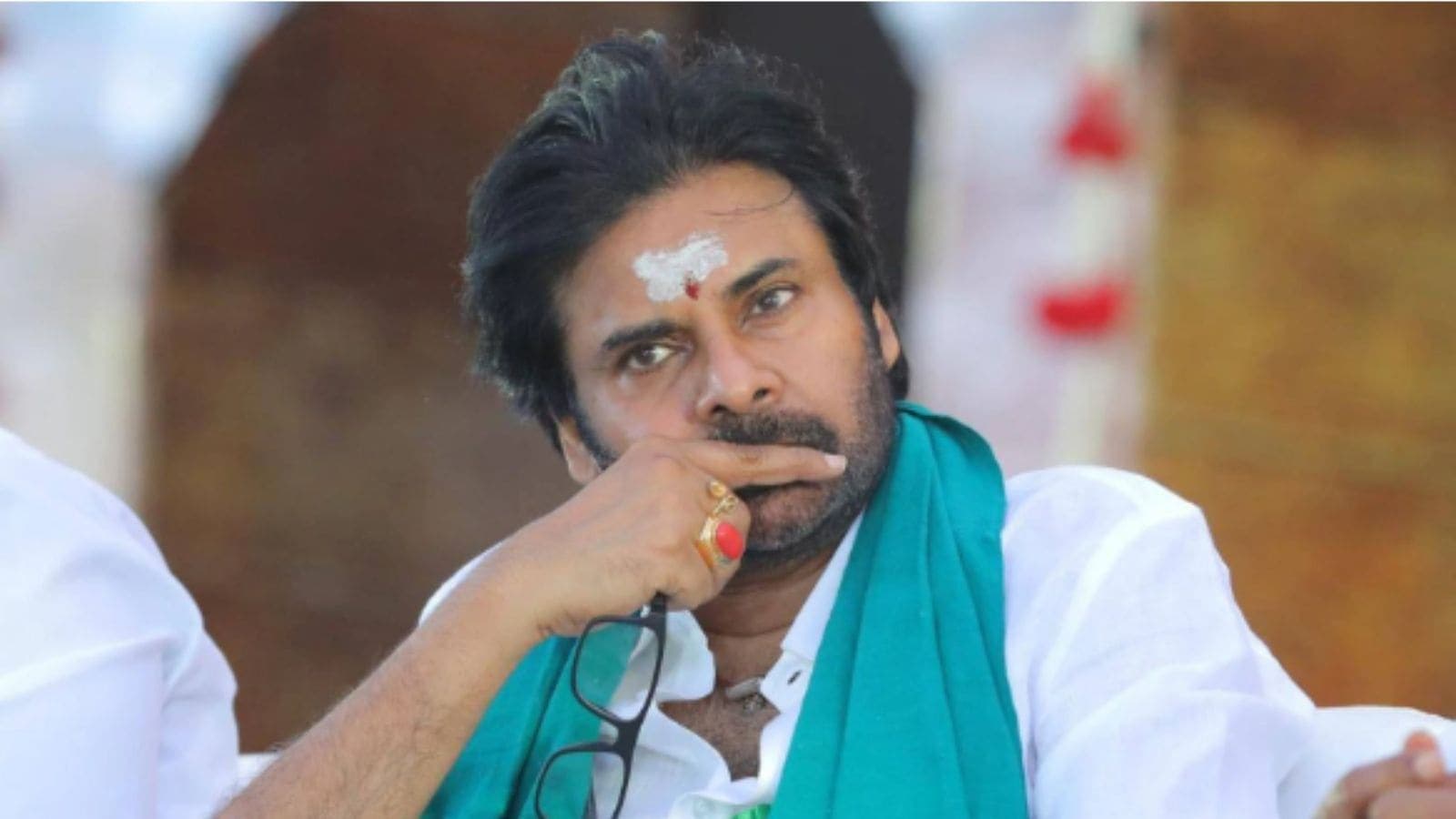
On Tuesday, Andhra Pradesh Deputy Chief Minister Pawan Kalyan announced that his party, Jana Sena Party (JSP), would contest the 2028 Telangana Assembly elections as well as the upcoming Greater...
On Tuesday, Andhra Pradesh Deputy Chief Minister Pawan Kalyan announced that his party, Jana Sena Party (JSP), would contest the 2028 Telangana Assembly elections as well as the upcoming Greater Hyderabad Municipal Corporation (GHMC) polls.
Addressing party workers and the media at his Hyderabad residence, Kalyan declared: “Telangana is not anyone’s ‘Ayya Jagir (inheritance)’.”
His statement came after the Hyderabad Police denied him permission for a public meeting he had planned to hold on Telangana Formation Day, citing security concerns.
Kalyan’s remarks immediately drew sharp reactions from Telangana’s political establishment. The principal Opposition Bharat Rashtra Samithi (BRS) working president K T Rama Rao responded by saying, “Telangana is indeed the jagir of the four crore people of the state.”
Telangana Congress leader and minister Ponnam Prabhakar demanded that Kalyan first apologise for his past remarks opposing Telangana statehood.
A day later, Kalyan sought to soften his position, saying Telangana was indeed the “inheritance of the sons of its soil” and reiterating his affection for the state.
These exchanges between some leaders of the two states seemed to revive regional sensitivities that had largely subsided since the formation of Telangana following the bifurcation of Andhra Pradesh in 2014.
Here is a look at the controversy that centres around Kalyan.
The JSP, an ally of the Telugu Desam Party (TDP) and a rival of the YSRCP, strongly denied Nageshwar’s claims, with JSP leader and minister Nadendla Manohar saying no such meeting had taken place.
Soon after, Nageshwar became the target of online trolling by social media accounts supportive of Kalyan. Multiple FIRs were filed in Andhra Pradesh against him, alleging that his comments were “false and fabricated”. Nageshwar later withdrew the remarks and declared the matter closed.
However, a group of Telangana journalists stepped in, alleging that Nageshwar was being targeted because he was a Telangana intellectual. Leaders across party lines in Telangana also expressed solidarity with him, giving the controversy a regional dimension.
For much of the controversy, Kalyan remained silent. He later announced that the JSP would hold a public meeting, Nava Nirmana Sankalpa Sabha, in Hyderabad on June 2, coinciding with Telangana Formation Day.
The Hyderabad Police denied him permission, arguing that the Nageshwar episode had generated “animosity between two communities” and accusing Kalyan of failing to restrain his supporters.
The move further sharpened the row. While some Telangana voices framed the issue as one of protecting regional dignity, several intellectuals from Andhra Pradesh argued that the reaction reflected an unnecessary revival of regional divisions.
Writer and journalist Ramesh Kandula said the controversy was “less about censorship and more about the dynamics of contemporary political communication”. He argued that while Nageshwar’s remarks had been challenged and fact-checked, the episode was later reframed as an attempt by Andhra Pradesh’s political establishment to silence a Telangana voice.
Responding to the denial of police permission to his planned meeting, Kalyan said: “No one can dictate where an Indian citizen can travel, live or engage in political activity within the country.”
He cited several examples to make his case. “If Rahul Gandhi and Priyanka Gandhi can contest elections in southern India, if Indira Gandhi could contest from Medak, and if P V Narasimha Rao could be elected with the support of Andhra voters, then how can anyone argue that leaders belong only to one region?” he asked.
Kalyan also questioned whether regional identities were being taken to an extreme, warning that excessive regionalism could become “more dangerous than terrorism”.
These remarks sparked another round of criticism. Telangana Congress leaders, BRS functionaries and members of the K Kavitha -led Telangana Rakshana Sena (TRS) accused him of insulting Telangana’s people and political history.
Prabhakar alleged that Kalyan was attempting to inflame tensions in Telangana. “We will not allow Andhra police to arrest the son of the soil,” Kavitha said. Rama Rao questioned Kalyan’s criticism of regionalism, asking whether Potti Sreeramulu’s fast-unto-death demanding a separate Andhra state could also be described as regionalism.
On Wednesday, Andhra Pradesh CM and TDP chief N Chandrababu Naidu entered the debate, urging political leaders not to revive regional sentiments between Telugu-speaking people more than a decade after Andhra Pradesh’s bifurcation.
According to a statement from the CM’s Office, Naidu said criticism directed at Kalyan by some Telangana leaders was unnecessary and risked creating tensions.
“Twelve years have passed since the bifurcation of Andhra Pradesh and Telangana. Attempts to provoke regional sentiments at this stage are inappropriate,” the statement quoted him as saying.
Naidu added that people were aware of who had contributed to the development of different regions and accused some Telangana leaders of raising unnecessary issues.
The controversy reflects how questions of regional identity continue to resonate in both the Telugu-speaking states despite the passage of more than a decade since bifurcation. What began as a dispute over a political analyst’s comments quickly spiralled into a broader debate on political participation across state boundaries and competing interpretations of regional pride.
Nikhila Henry is an Assistant Editor at T... Read More