Collection
Manoj Bajpayee Wants To Quit Acting For A Decade Lost Time With Parents
Indian Express
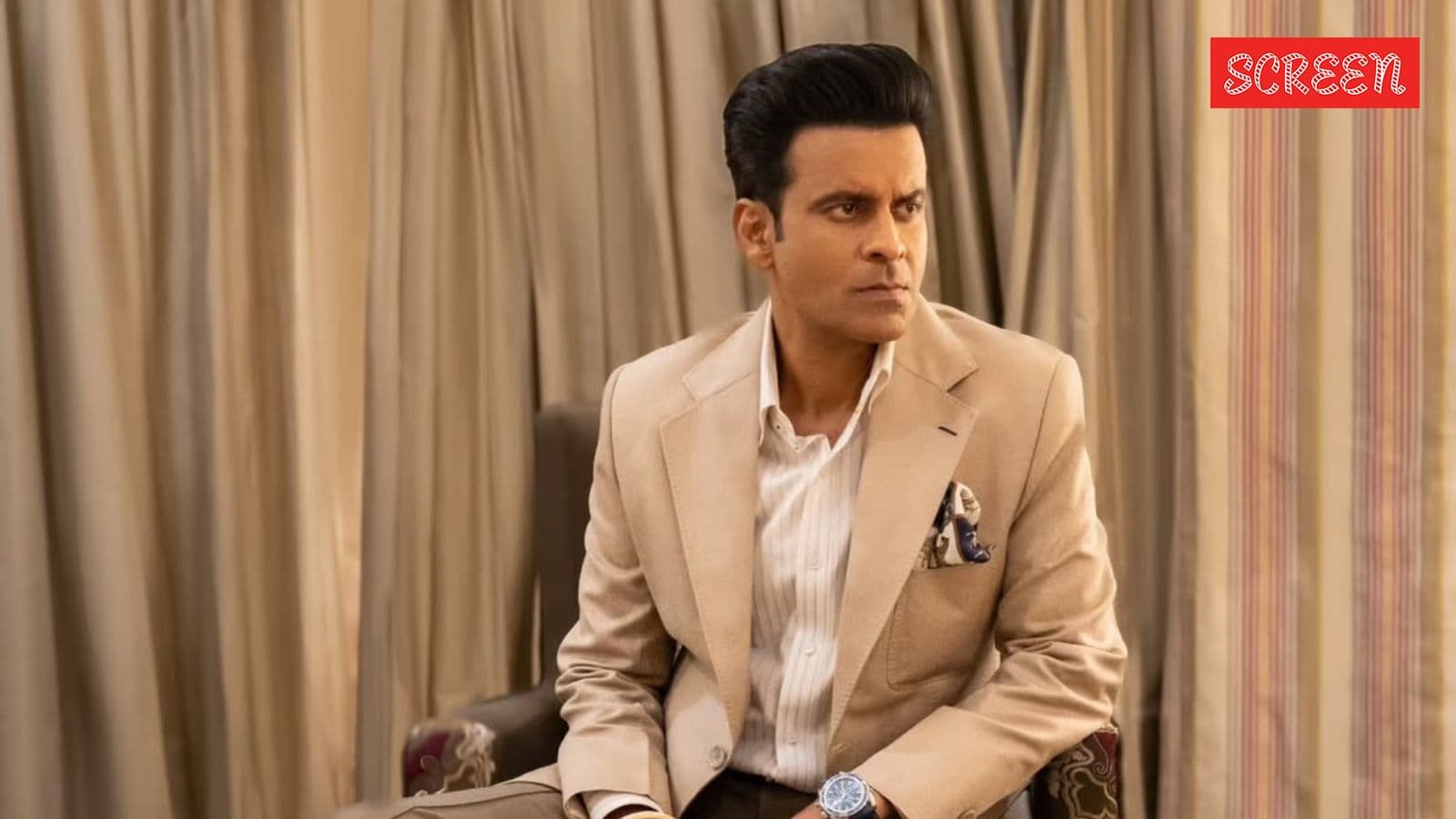
When Satya released in 1998, Bhiku Mhatre became a cult figure and Manoj Bajpayee was suddenly thrust into the spotlight.
When Satya released in 1998, Bhiku Mhatre became a cult figure and Manoj Bajpayee was suddenly thrust into the spotlight. What followed were acclaimed performances in films like Shool, Zubeidaa, and eventually Gangs of Wasseypur, cementing his place among India's finest actors. Known for his remarkable versatility and ability to breathe life into every character he portrays, Bajpayee has given audiences countless memorable performances. Yet behind the applause lies a personal cost. In a recent conversation with Ranveer Allahabadia on his podcast, the actor revealed that for nearly a decade, he has repeatedly contemplated walking away from acting altogether. 'I sometimes want to quit acting': Manoj Bajpayee Explaining the reason behind these thoughts, he said, "Taking intense characters and performing them over the years makes you a very moody person. The mood swings are way too high. For the past ten years, I've had thoughts of quitting acting. But then I find a nice role and go back to work." According to the actor, the dilemma stems from his desire to preserve acting as a passion rather than allowing it to become a routine profession. "I don't want acting to become a mandatory job. I want to do it out of passion, not because I have responsibilities to fulfill at home or because it's my source of livelihood." After years of immersing himself in emotionally draining roles, Bajpayee confessed that he is now yearning for something lighter. 'I am craving a commercial film, want to run away from dark roles' "Lately, I have been craving to do a commercial film. I want to be in an out-and-out slapstick comedy. Absolute nonsense. Dance to music. A film that requires no preparation. I just want to go on set without thinking too much about what I am playing and have a good time. I want to escape from all the things I have been doing." The actor pointed to films like Gali Guleiyan, Bhonsle, and Joram as examples of projects that demanded an immense emotional and psychological investment. "These are not easy films or easy characters. You're living these characters as closely as possible, both mentally and physically. You're creating that space for a completely different human being. Suddenly, you're in a tunnel." He added that he now actively avoids dark and emotionally complex roles because of the toll they take on him. "Every time I see a dark character living in a dark world, I want to escape it. Every time there is a dark, complex character, it takes the soul out of you. Now, I want to escape the experience—the process of getting into that tunnel." 'Have no recollection of roles I played' The emotional burden, he said, is so intense that he often has little recollection of how he delivered some of his most acclaimed performances. "A lot of times, I don't have any memory of the roles I have done. I don't remember how I did films like Aligarh or Bhonsle. It takes away a lot from me." Sharing examples from his career, Bajpayee recalled how deeply certain roles affected him. "When I did Bhiku Mhatre, I was completely immersed in that role. It took a toll on me. My anger levels became uncontrollable. Then I did Shool and started having nightmares. I wasn't able to sleep properly for several nights." The actor acknowledged that some of his peers may dismiss such experiences as exaggerated or theatrical, but insisted they are very real for performers who adopt his method of working. ALSO READ | Why Ranveer Singh exited Farhan Akhtar’s Don 3: Script disputes, slashed budget, Dhurandhar "Some actors claim these experiences are made-up stories, fake, or dramatic. I believe they simply don't relate to it because they don't work that way. Maybe they're far more accomplished and can achieve a character without going through this process. I can't. If my audience can see the character in my eyes, then I know I have given a good performance." While Bajpayee did not mention anyone by name, his remarks touched upon a long-running debate within the industry about method acting and emotional immersion. Actor Prashant Narayanan had previously questioned claims of actors entering a dark emotional space for roles after Ranveer Singh spoke about the psychological impact of preparing for Padmaavat. 'I lost too many things chasing materialistic things' Reflecting on his career, Bajpayee admitted that while the sacrifices eventually paid off professionally, they came at a personal cost. "These struggles paid off materially, but I lost too many things. If I look back, I lost time with my parents. By the time they passed away, we were still trying to understand each other." Clarifying what he meant by "materialistic ambition," the actor said it was never about wealth or luxury. "When I say materialistic ambition, I don't mean apartments, cars, or watches. That was never my ambition. My ambition was to have the freedom to choose my roles." Bajpayee then reflected on how distance gradually grew between him and his family. Raised in a village, he was sent away at a young age so that he could receive a better education. "My parents sent me to a boarding school. Before that, I stayed in a lodge, and that experience was very dark. I was just eight or nine years old." The separation continued as he moved to Delhi to pursue acting and later to Mumbai. "When I came to Delhi, I was completely clueless about urban society and its ways. Delhi was a huge learning experience—not just acting and education, but language, behaviour, understanding complexity, dealing with hunger, figuring out two meals a day, accommodation, rent. Amid all of this, there was very little connection with my family. We wrote letters. Then I moved to Mumbai, and the distance only grew." When Manoj Bajpayee was upset for not getting roles Long before he became one of India's most respected actors, Bajpayee went through periods of severe self-doubt. Multiple rejections, lack of opportunities, and unsuccessful attempts to find work as an actor or acting teacher pushed him into one of the darkest phases of his life. "When you start doubting yourself, that's the worst phase. I kept questioning whether I was good enough to act. I used to fall ill frequently, and there was no money. I would go to production sets and be chased away with abuses. I was an outsider. Eventually, after a lot of struggle and persistence, I found roles."