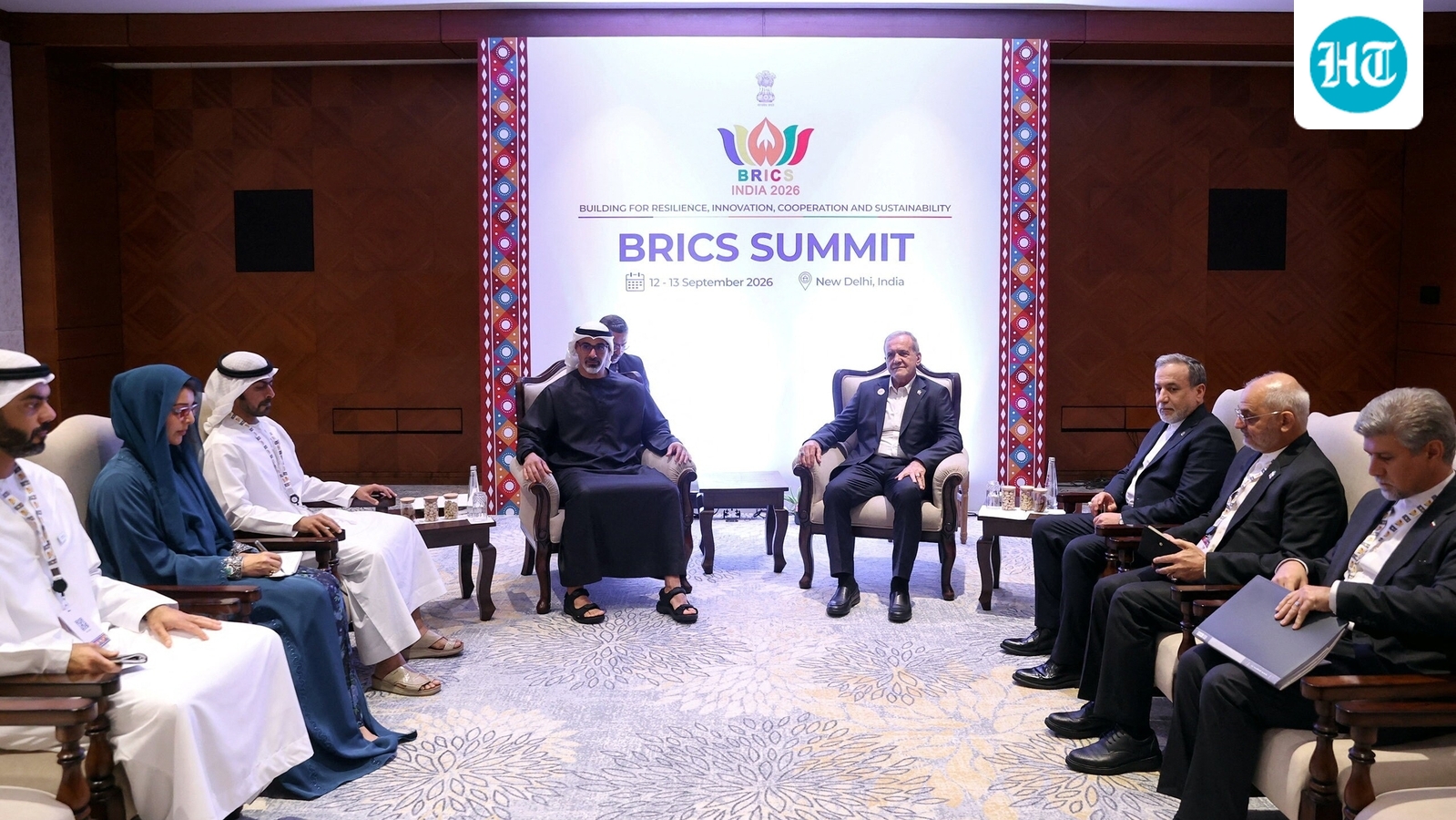
There can be two views about BRICS and almost Every multilateral forum at a time of churn in global politics. According to the first, such forums are ineffectual pageantry, while the second paints them are merely vehicles for the great powers to build their spheres of hegemonic influence. The New Delhi Declaration 2026 underlines a much-needed third view. It holds that diplomacy, cooperation and exchange of ideas, goods and services need not be beholden to the ideologies and interests of great powers. There is room for different political systems and even states on opposite sides of military conflicts to sit together, to agree, and agree to disagree. The strength of the New Delhi Declaration, then, lies in the spectacular headlines it did not make, and in reasserting the importance of diplomacy as-usual. As West Asia continues to suffer from prolonged conflicts — Israel and Palestine, Iran and Lebanon and now, Yemen — the consensus between Iran and the UAE that calls for “exercising maximum restraint, as well as avoiding actions that could further aggravate the situation” is an unambiguous victory for diplomacy. Beyond West Asia, the Declaration focuses on the issues that will outlast the current moment’s rhetoric. Over 130 paragraphs of the 45-page document focused on “unilateral coercive measures” and “unilateral sanctions”, “unilateral blockades” — a comment on, and a push back against, the excesses by Washington under Donald Trump . The message is clear: Supply chains and trade routes of essential commodities, including and especially hydrocarbons, must not be weaponised. For developing countries of the Global South, the energy question is particularly salient. Rather than chasing the chimaera of a BRICS currency, the Declaration does well to Focus on linking payment systems among member states. India’s UPI architecture has great potential here. The focus on AI capacity building and digital resilience also carries Delhi’s imprint. When it was first formed in 2006 and through its early years, BRICS was meant to act as a forum for united action by emerging powers in a unipolar world. Its grand ambitions of “de-dollarisation” and multipolarity have led its detractors to paint it as an attempt to be “anti-West”. In fact, few of the group’s core members, and its expanded roster, hold such a view. China is looking for accommodation with the US, many countries from West Asia are practically allied with Washington; Vladimir Putin shares a personal rapport with Trump; India is looking to firm up a trade deal with America and do more business with Europe. In 2026, an expanded BRICS balances the views and needs of its many members. The New Delhi Declaration emphasises that a plurality of voices must be heard and heeded.