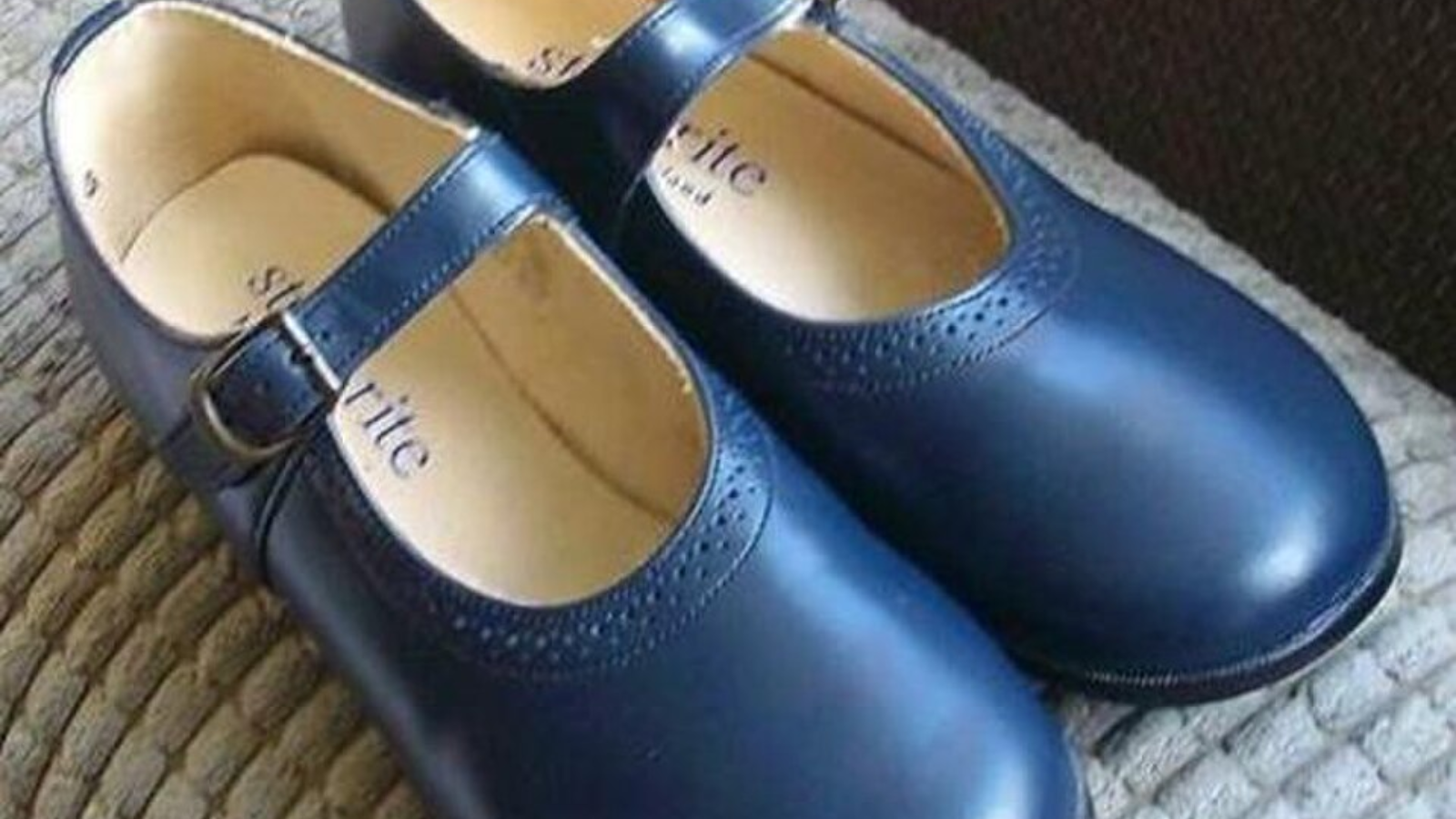
With their rounded toes and signature strap across the instep, Mary Janes have become a timeless footwear staple. But the shoes were not always known by that name, nor were they originally associated exclusively with girls. Their history stretches from Renaissance-era footwear to an early 20th-century comic strip, flapper fashion and, eventually, modern runways. (Wikimedia Commons). (wikimedia commons) They Existed Long Before 'Mary Jane': The basic design of a low-cut shoe secured by a strap across the instep existed centuries before the name Mary Jane. Similar shoes were worn in Europe during the Renaissance, including by men such as King Henry VIII. By the late 19th century, the style had reappeared as children's footwear and was commonly known as a “bar shoe.” (wikimedia commons) The Name Came From a Comic-Strip Character: The name “Mary Jane” came from Richard Felton Outcault's Buster Brown comic strip, which debuted in the New York Herald in 1902. Mary Jane was Buster Brown's sweetheart and was based on Outcault's own daughter, who was also named Mary Jane. Both characters were depicted wearing the distinctive strap shoes. (wikimedia commons) A Shoe Company Turned the Character Into a Brand: In 1904, Outcault travelled to the St. Louis World's Fair and licensed his characters to numerous companies. The Brown Shoe Company was among them and began using Buster Brown and Mary Jane to market children's footwear. The association helped give the strap shoe its now famous name. (wikimedia commons) They Were Not Originally Just for Girls: Although Mary Janes are strongly associated with girls today, the shoes were originally worn by both boys and girls. In the early 20th century, boys commonly wore the style, and it was also used with school and formal clothing. It was only during the 1930s in North America that the shoe increasingly became identified with girls. (wikimedia commons) The Roaring Twenties Gave Them a Grown-Up Look: Mary Janes moved beyond children's wardrobes during the 1920s, when women embraced them as fashionable dancing shoes. The strap helped keep the shoes securely on the feet during energetic dances such as the Charleston. Some adult versions were made from luxurious fabrics and featured elaborate decoration. (wikimedia commons) From Children's Shoes to Fashion Staple: Mary Janes continued to evolve through the 20th century, appearing on celebrities and in popular culture before returning repeatedly to fashion. Shirley Temple famously wore them in the 1934 film Baby Take a Bow, while later versions included platforms, heels and multiple straps. Today, the style ranges from classic flats to chunky and high heeled designs. (wikimedia commons)