Under the Wildlife (Protection) Act, 1972, as amended in 2022, species are placed under schedules that determine the level of protection they receive. Schedule I represents the highest level of protection under the current framework. The law is intended not just to protect individual animals but to contribute to the country’s ecological security.
Wildlife photographer and environmentalist Indrajeet Ghorpade believes, however, that conservation cannot stop at granting a species a legal status. According to him, protecting wildlife also means protecting the landscapes and ecosystems on which those species depend.
“Schedule 1 means they need special protection. By way of additional forest force, monitoring, captive breeding and reduction of human footprint,” Ghorpade says.
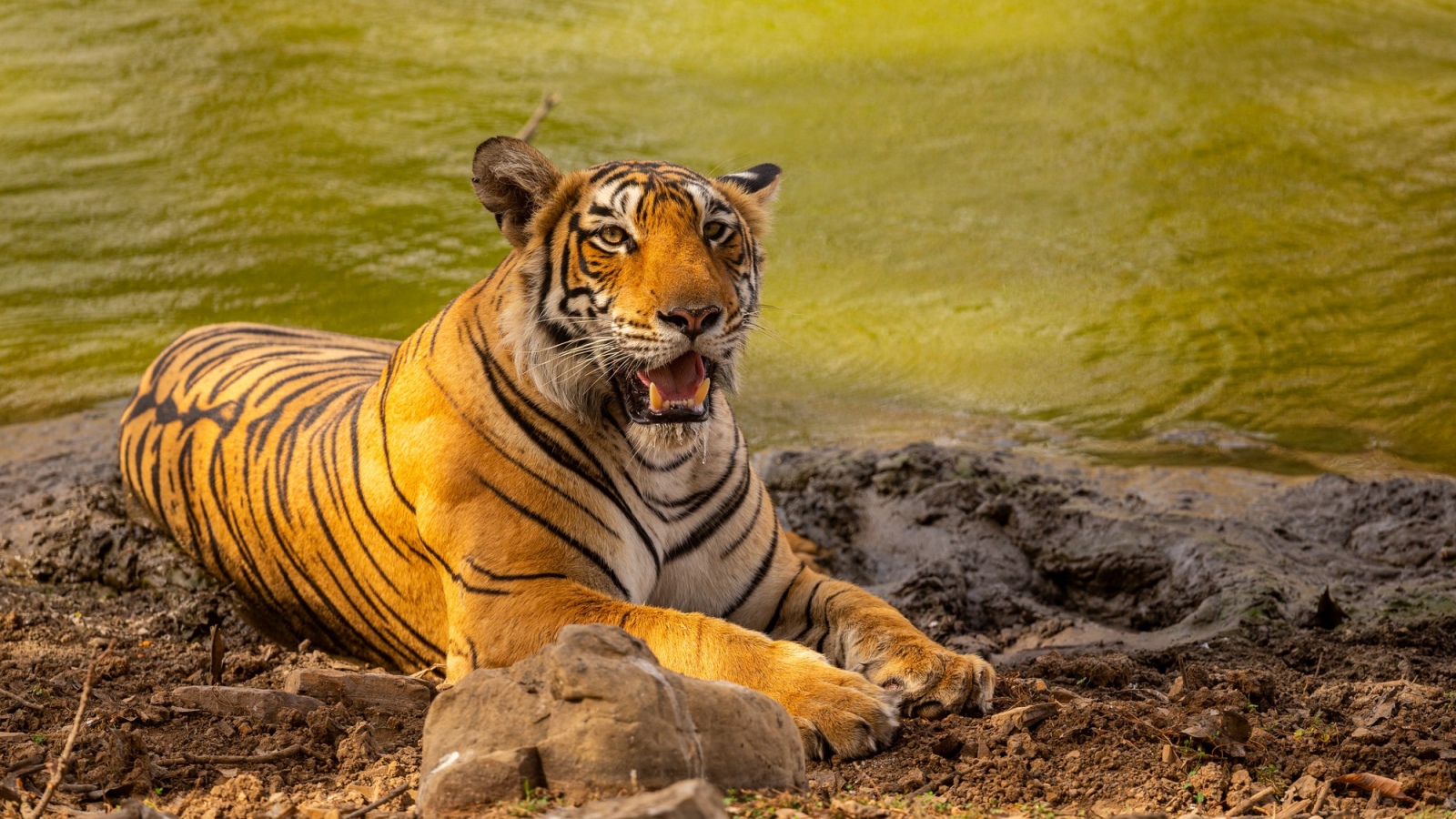
The Bengal tiger is one of India’s most recognisable wildlife species and a classic example of a flagship conservation animal. Yet despite decades of conservation efforts, tigers continue to face threats from habitat fragmentation, poaching, declining prey availability and conflict with people living around their habitats.
Ghorpade describes tigers and other apex predators as species that require particular attention due to ecological importance and vulnerability.
“Tigers, Snow Leopards, etc. are given special protection as they are considered flagship species or apex predators,” he says. He adds that their “fragile habitats, breeding habits, sensitive lifestyles and very low numbers” make them particularly vulnerable.
India’s experience with tiger conservation also demonstrates how successful focused conservation can be. Ghorpade calls Project Tiger “the most successful conservation programme till date”.
But success brings another challenge, he points out. As tiger numbers increase in some landscapes, suitable habitat and safe territories can become limiting.
“This success has brought new issues, like saturation of territories and not enough safe havens for these overpopulated zones, especially sanctuaries and parks,” he says. Animals that are pushed beyond protected areas can then face greater exposure to human activity, conflict and other threats.
The Asiatic lion has one of the most restricted wild ranges among India’s large carnivores. Its surviving wild population is concentrated in and around the Gir landscape of Gujarat, making the species particularly vulnerable to any major disease outbreak, ecological disturbance or other event affecting this limited geographic range.
For Ghorpade, this restricted distribution is itself a major conservation concern.
“Lion (is vulnerable) because they are restricted to a very small territory only in one small part of India,” he says.
This highlights why species protection cannot simply mean protecting animals within a particular reserve. The wider landscape, corridors and potential habitats that can support a growing population also need attention.
High in India’s Himalayan landscapes lives the elusive snow leopard, a species adapted to some of the country’s most extreme environments. But its remote habitat does not make it immune to human pressures.
Habitat degradation, changes in prey availability, retaliatory killings and illegal wildlife trade remain among the concerns associated with snow leopard conservation.
Ghorpade places the snow leopard alongside tigers as an example of a flagship or apex species that receives special protection because of its vulnerability.
For him, conservation needs to address not just the animal but the conditions that allow it to survive. “For a species to survive it must have conducive conditions to feed, rest, propagate and survive,” he says.
The Indian or greater one-horned rhinoceros has historically faced severe pressure from poaching and habitat loss. Conservation programmes, particularly in protected landscapes, have helped populations recover, but the species remains dependent on continued habitat protection and effective anti-poaching measures.
Ghorpade argues that species recovery needs to go hand in hand with creating enough habitat to support growing populations.
“WPA protection programmes have been a huge success,” he says. But he believes that this success should also encourage India to extend similar attention to more species.
“More and more species need to be brought under this list,” Ghorpade says, adding that “funding, expertise and dedication is key”.
He also emphasises the importance of expanding wildlife territories, improving connectivity between habitats and ensuring that conservation does not become restricted to isolated protected areas.
Unlike the four mammals above, the gharial is a highly specialised river reptile. Its survival is closely tied to healthy river systems, making it particularly vulnerable to changes in freshwater habitats.
River pollution, habitat alteration, sand mining, fishing pressure and accidental capture in fishing nets can all threaten gharial populations.
Ghorpade’s broader conservation argument is particularly relevant to species such as the gharial because protecting an animal also requires protecting the ecosystem in which it lives.
“If we preserve and protect the habitats, reduce poaching and human presence, wildlife and all life forms will rebound and revive,” he says.
For riverine species, that means looking beyond an individual animal or protected stretch of river and considering the health and connectivity of the wider river ecosystem.
The Wildlife (Protection) Act provides the legal framework for protecting India’s wildlife, while Schedule I identifies species that receive the highest level of protection under the current schedule structure. The Act also contains provisions covering protected areas, hunting, trade and wildlife crime.
But Ghorpade believes legal listing is only one part of effective conservation. “The additional safeguards must include enough space and rewilding of these landscapes,” he says.
According to him, that includes stronger monitoring and enforcement, wildlife corridors, community reserves, rescue centres, captive breeding where scientifically appropriate, road-crossing measures and greater action against illegal wildlife trade and poaching.
“Education and awareness, inclusive policies with the stakeholders, grassroots partners and human-oriented [approaches] are needed,” he says.
Explore more captivating stories about pets and animals here, and make us your daily stop for the latest from the animal kingdom.