Trying To Lighten Hair At Home Hairdressing Expert Samantha Kochhar Warns Of The 9 Common Mistakes That People Make
H
Hindustan TimesVerified Publisher
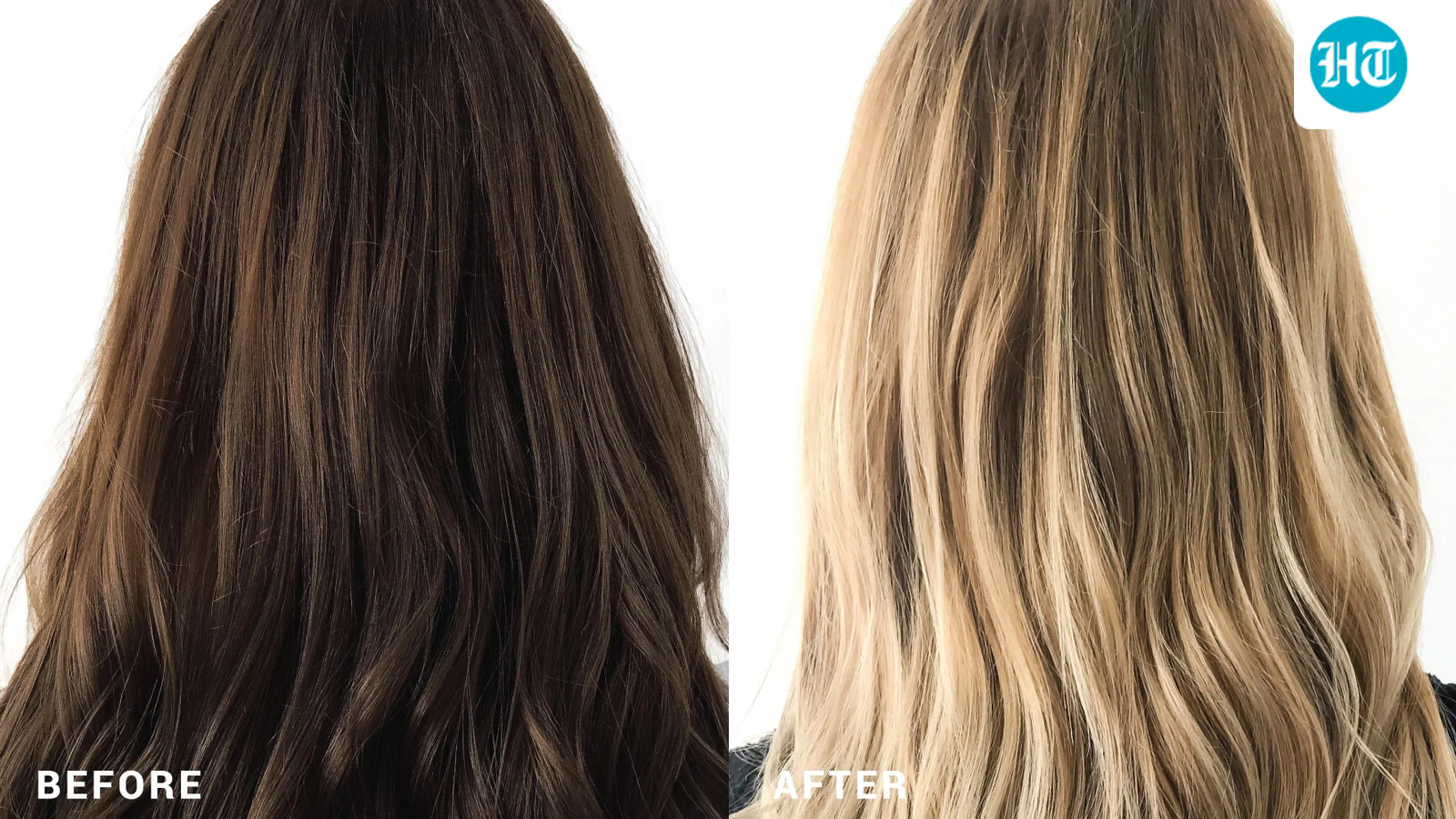
Chief Hairdressing Expert Samantha Kochhar, Managing Director of the Blossom Kochhar Group of Companies, shares some common slip-ups people make and what you can do instead: People often forget where their hair journey actually begins. If you've got dark hair Chief Hairdressing Expert Samantha Kochhar, Managing Director of the Blossom Kochhar Group of Companies, shares some common slip-ups people make and what you can do instead: People often forget...
Chief Hairdressing Expert Samantha Kochhar, Managing Director of the Blossom Kochhar Group of Companies, shares some common slip-ups people make and what you can do instead:
People often forget where their hair journey actually begins. If you've got dark hair and want to go platinum blonde in one go, good luck—you'll probably end up with orange or patchy results. Hair that's already dyed or chemically treated won't behave like “virgin” hair. Ignoring that fact sets you up for disappointment.
There's this idea that if you want light hair fast, you need the strongest bleach possible. Not true. Stronger formulas can burn and break your hair if you don't know what you're doing. Choose the right product for your hair type and how much you want to lighten, not just whatever says “extra strength.”
It feels like an annoying step, but skipping the strand test is basically flying blind. That tiny test tells you how your hair will react, how long to leave the bleach on, and what kind of results to expect. Save yourself some stress and do it.
If you’ve seen someone with leopard spots or uneven color, chances are they applied bleach without sectioning their hair. Roots process faster since your scalp is warm. You need to work in sections; otherwise, you'll end up with a mess.
Some people leave bleach on forever, thinking it'll lighten their hair. In reality, the longer you leave it on, the drier and weaker your hair gets. Once your hair reaches its limit, more time won't make it lighter, just brittler.
If your hair already feels rough or fried, lightening will only exaggerate the damage. And don’t stop after the bleach! Regular hydration and repair are a must to keep your hair from feeling like straw afterward.
Big changes usually take several sessions, especially with dark hair. Trying to skip ahead and do everything at once sets you up for massive damage. Go slow and give your hair time to recover.
When you lift your color, don’t be surprised by brassy yellow or orange hues. That's totally normal. To bring your hair back to a natural-looking shade, use a toner to neutralize those warm tones. Skipping this step is why a lot of DIY color looks, well, unfinished.
There's no shortage of internet “experts,” but most of them don’t know your hair history or texture. What worked in someone else’s video could wreck your hair. It’s way better to tailor your plan than to chase trends.
DIY hair lightening isn’t impossible; you need patience and a plan. Focus on what your hair actually needs and don’t rush the process. When in doubt, play it safe. Healthy hair always wins over damage, no matter what shade you’re after.
(Disclaimer: This article is for informational purposes only and is not a substitute for professional medical advice. Always seek the advice of your doctor with any questions about a medical condition.)