Trump Hormuz Strait Cargo Charge India Oil Bill Trade Impact
I
Indian ExpressVerified Publisher
US President Donald Trump s announcement of a 20 percent charge on all cargo transiting the Strait of Hormuz has raised fresh concerns for India, which sources a significant share of its crude oil and gas imports through the waterway, as the conflict between t US President Donald Trump s announcement of a 20 percent charge on all cargo transiting the Strait of Hormuz has raised fresh concerns for India, which sources a significant share of its crude oil...
US President Donald Trump’s announcement of a 20 percent charge on all cargo transiting the Strait of Hormuz has raised fresh concerns for India, which sources a significant share of its crude oil and gas imports through the waterway, as the conflict between the US, Israel and Iran continues to spread across the Gulf.
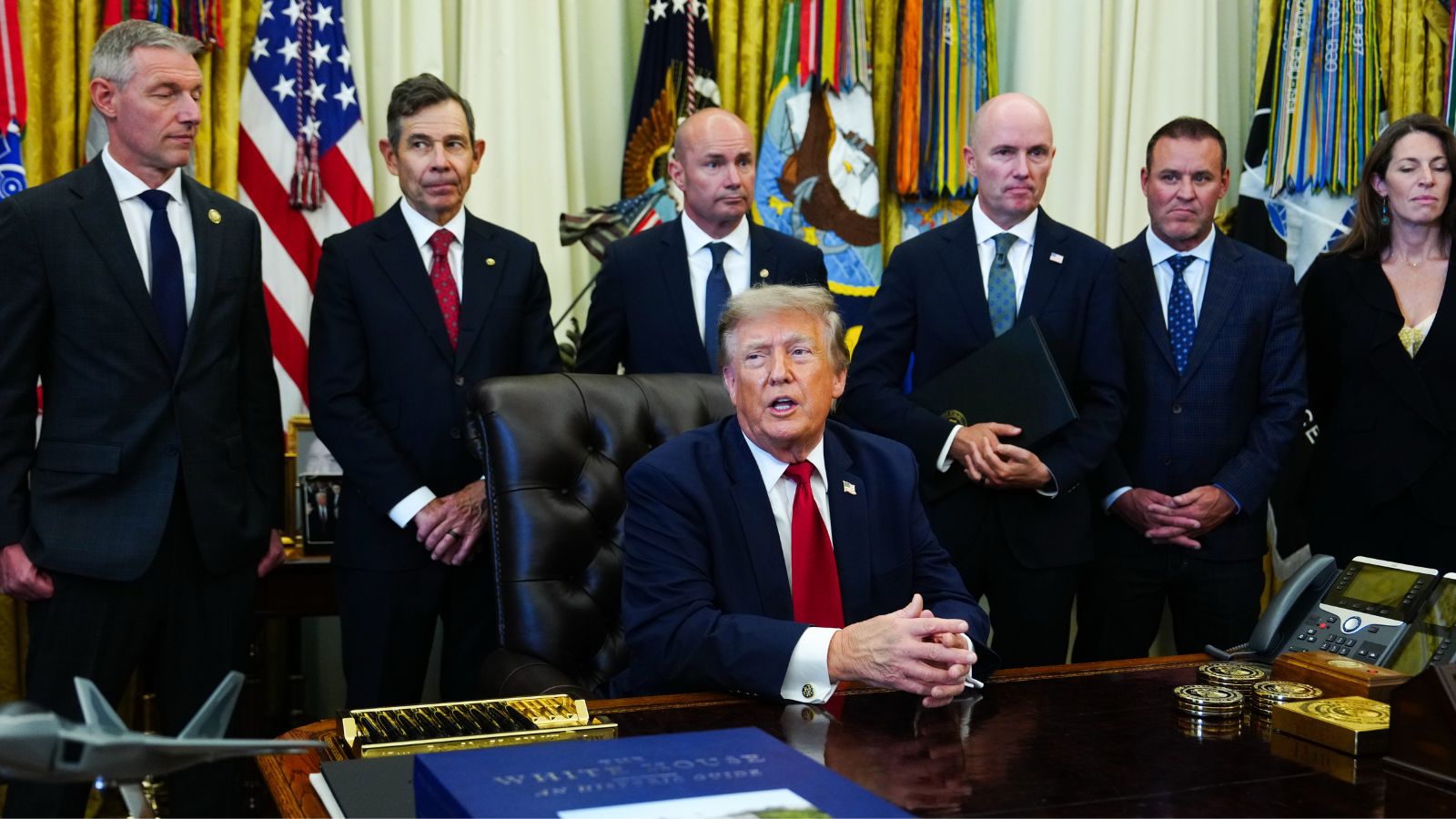
Trump said on Monday that the US would reinstate a naval blockade of Iranian ports and impose a 20 percent levy on cargo passing through the strait, framing it as compensation for American forces securing the route. He said the charge would apply to “all other countries” except vessels linked to Iran, which would be barred entirely, with the blockade taking effect from 8pm GMT on Tuesday. Speaking to reporters at the White House, Trump said the US was “hitting them very hard” and “controlling the strait,” while adding that a peace deal with Iran remained possible.
Hours before Trump’s announcement, the UAE said Iranian cruise missiles had struck two of its tankers, the Mombasa and Al Bahiyah, in the strait’s southern shipping lane within Omani territorial waters, killing one Indian crew member and injuring eight others, six of them Indian nationals and two Ukrainian, four seriously.
The UAE’s Ministry of Defence called it a “brazen attack” that violated international law and said the country reserves its right to respond.
Iran’s foreign minister, Abbas Araghchi, responded to Trump’s blockade announcement by writing on X that Tehran would remain the strait’s “guardian,” sarcastically agreeing that whoever secures the waterway should be compensated, while calling 20 percent “too much.”
Iran’s top military command separately said it would not allow the US to “interfere in the management” of the strait, warning that any US-linked cooperation would be treated as an act of war against Iranian sovereignty.
The International Maritime Organization, the UN’s shipping regulator, said there is no legal basis for imposing mandatory tolls on transit through an international strait, a spokesperson told Reuters.
Before the conflict escalated in February, roughly a fifth of the world’s oil and a fifth of global liquefied natural gas moved through Hormuz a route India depends on heavily for Gulf energy supplies. A 20 percent surcharge, if enforced, would raise landed costs for Indian refiners and could eventually feed into domestic fuel prices, even as New Delhi has diversified toward discounted Russian crude in recent years to cushion Gulf-related shocks. The presence of six Indian nationals among Monday’s injured also underscores how exposed Indian seafarers are, given how large a share of Gulf-transiting crews are Indian nationals.
There has been no immediate statement from India’s Ministry of External Affairs on either the tanker attack or the proposed cargo levy. The ministry has issued advisories to Indian crews during earlier flare-ups in the strait and is likely to face questions on both fronts.
The Express Global Desk at indianexpress.com which delivers authoritative, verified, and context-driven coverage of key international developments shaping global politics, policy, and migration trends. The desk focuses on stories with direct relevance for Indian and global audiences, combining breaking news with in-depth explainers and analysis. A major focus area of the desk is US immigration and visa policy, including developments related to student visas, work permits, permanent residency pathways, executive actions, and court rulings. The Global Desk also closely tracks Canada’s immigration, visa, and study policies, covering changes to study permits, post-study work options, permanent residence programmes, and regulatory updates affecting migrants and international students. All reporting from the Global Desk adheres to The Indian Express’ editorial standards, relying on official data, government notifications, court documents, and on-record sources. The desk prioritises clarity, accuracy, and accountability, ensuring readers can navigate complex global systems with confidence. Core Team The Express Global Desk is led by a team of experienced journalists and editors with deep expertise in international affairs and migration policy: Aniruddha Dhar – Senior Assistant Editor with extensive experience in global affairs, international politics, and editorial leadership. Nischai Vats – Deputy Copy Editor specialising in US politics, US visa and immigration policy, and policy-driven international coverage. Mashkoora Khan – Sub-editor focusing on global developments, with a strong emphasis on Canada visa, immigration, and study-related policy coverage. ... Read More