The Only Animal Known To Hibernate And Dream Is This Tiny Madagascar Primate
I
Indian ExpressVerified Publisher
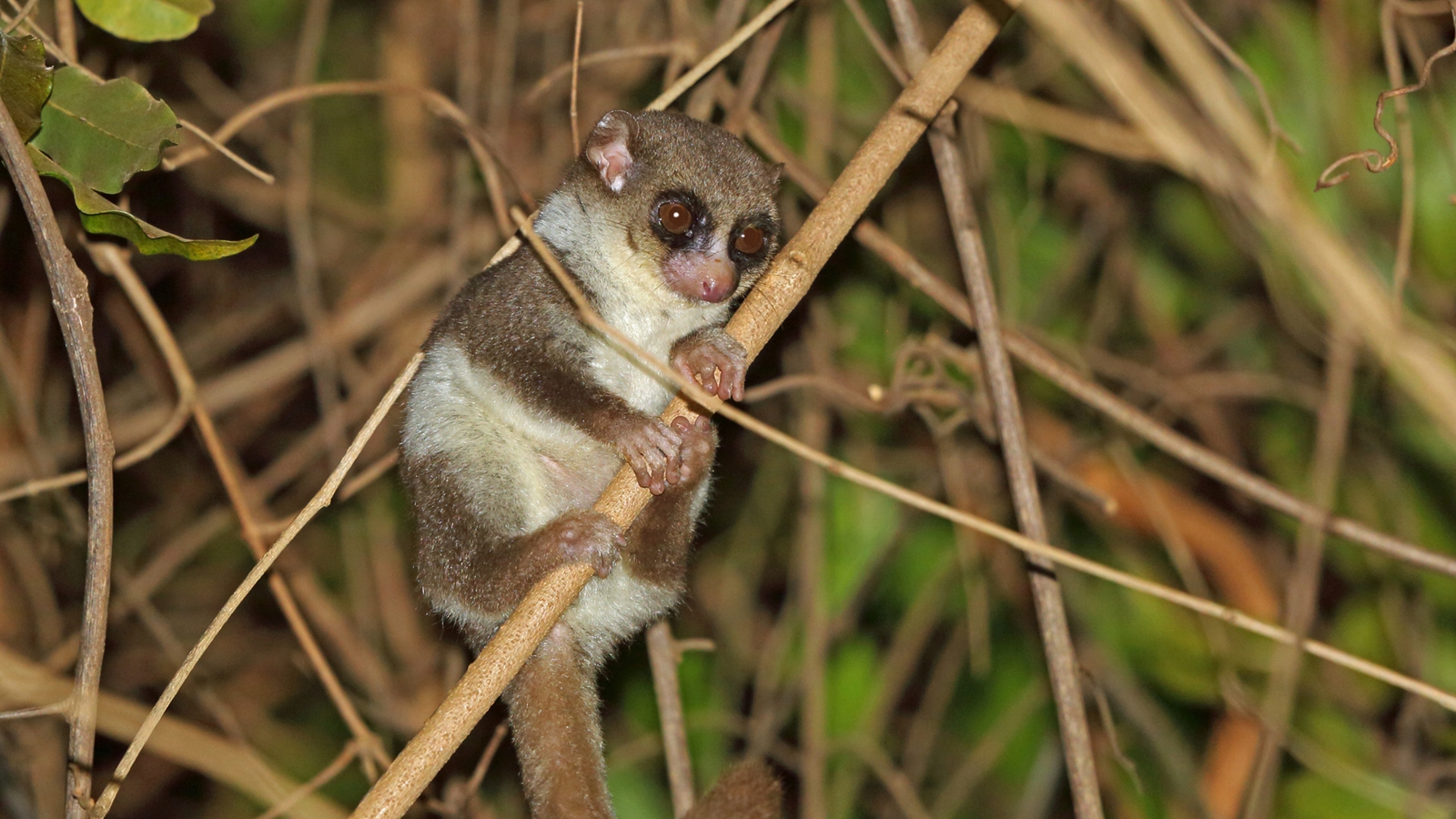
When we think of hibernation, we often imagine deep, dreamless sleep, an animal slowing its body down to survive the cold months. Most animals do not dream while they are participating in this phenomenon, except for one When we think of hibernation, we often imagine deep, dreamless sleep, an animal slowing its body down to survive the cold months. Most animals do not dream while they are participating in this...
When we think of hibernation, we often imagine deep, dreamless sleep, an animal slowing its body down to survive the cold months. Most animals do not dream while they are participating in this phenomenon, except for one. Meet the fat-tailed dwarf lemur, a rare and fascinating species native to Madagascar. Not only is it the only primate known to hibernate, but it’s also the only animal that shows signs of dreaming while in hibernation. That’s right, this lemur may be dreaming while its body is almost entirely shut down. The fat-tailed dwarf lemur, as its name suggests, stores fat in its tail, like a natural energy bank. When food becomes scarce during Madagascar’s dry season, this tiny primate hibernates for up to seven months, hiding in tree hollows and relying on its fat stores to survive. While that may not sound too different from other animals, scientists have noticed something remarkable when studying the lemur's brain activity. Most animals that hibernate completely shut down their brains during this time, so they don’t experience dreams or REM sleep ( Commons) Researchers from Duke University found that even while the lemur was in deep torpor (a type of hibernation), its brain was still active in short bursts. These bursts exhibited patterns similar to those experienced by humans and other animals during REM sleep, the stage of sleep during which dreams typically occur. "It's the only known hibernator that shows REM-like brain activity during torpor," researchers noted in a study published in Nature Communications. These flickers of neural activity suggest that the lemur may be dreaming, even as its body remains still and slow. Most animals that hibernate completely shut down their brains during this time, so they don’t experience dreams or REM sleep. But the fat-tailed dwarf lemur is different. It appears to have moments, however brief, of dreaming, despite being in a state of low energy. Understanding how a lemur's brain continues to function during hibernation could offer insights into how the brain protects itself during long periods of inactivity. It may even provide scientists with clues about how to help humans recover from brain injuries or how to improve space travel, where long-term sleep deprivation might one day be necessary. Explore more captivating stories about pets and animals here, and make us your daily stop for the latest from the animal kingdom.