Tata Sons Agm Adjourned N Chandrasekaran Reappointment Srtt Freeze
I
Indian ExpressVerified Publisher
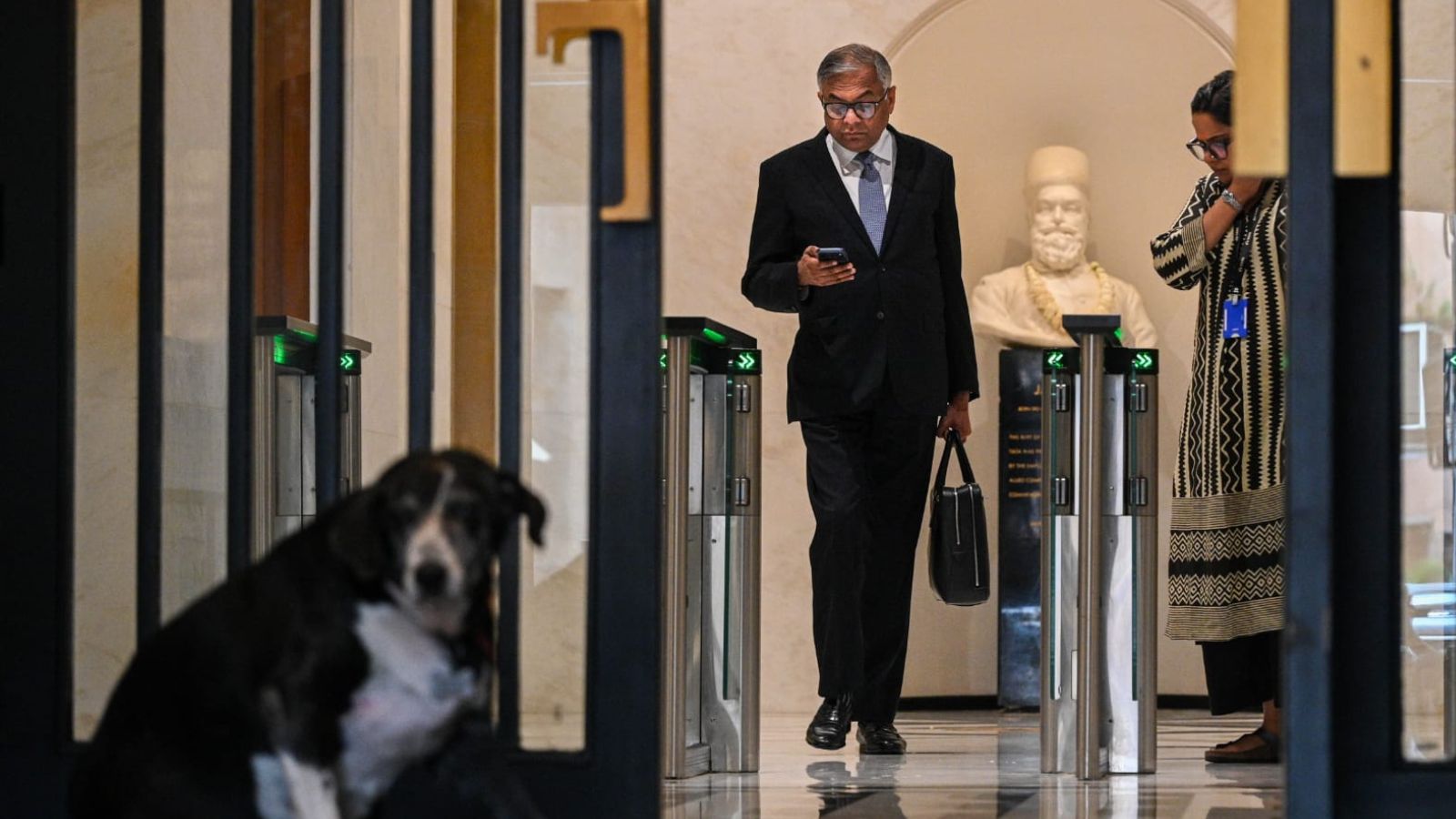
Tata Sons annual general meeting (AGM), scheduled for Tuesday, was adjourned due to a lack of quorum as the regulatory freeze imposed on the Sir Ratan Tata Trusts (SRTT) has left the Tata holding company unable to secure the shareholder representation required Tata Sons annual general meeting (AGM), scheduled for Tuesday, was adjourned due to a lack of quorum as the regulatory freeze imposed on the Sir Ratan Tata Trusts (SRTT) has left the Tata holding...
Tata Sons’ annual general meeting (AGM), scheduled for Tuesday, was adjourned due to a lack of quorum as the regulatory freeze imposed on the Sir Ratan Tata Trusts (SRTT) has left the Tata holding company unable to secure the shareholder representation required to convene the meeting.
The adjournment means the uncertainty over the resolution for reappointment of N Chandrasekaran as director of Tata Sons will continue.
While a fresh meeting will have to address the unfinished business, the board is expected to take a decision on the next date. It is also expected to meet around September, according to sources.
Chandrasekaran’s current five-year tenure as chairman ends on February 20, 2027. His directorship was up for renewal at the August 18 AGM. This matters because he needs to remain a director to continue as chairman through the end of his current term. The AGM will have to consider and approve the resolution for Chandrasekaran’s reappointment as a director.
The issue stems from Tata Sons’ Articles of Association, which stipulate that at least five members must be personally present to form a quorum. Crucially, the quorum must include an authorised representative jointly nominated by the Sir Dorabji Tata Trust and the Sir Ratan Tata Trust.
The inability of the SRTT, which holds a 23.56% stake in Tata Sons, to convene a board meeting following an order issued by the Maharashtra Charity Commissioner in May has led to the issue. The order has prevented the trust from conducting its board proceedings while an inquiry into its board composition is pending.
This has created a procedural hurdle for Tata Sons. In the absence of a duly convened SRTT board meeting, the trust cannot jointly nominate a representative with the Sir Dorabji Tata Trust (SDTT). Such a joint nomination is required under the Articles of Association of Tata Sons to meet the quorum requirements for its AGM.
As a result, the Charity Commissioner’s order has implications beyond SRTT’s internal governance, potentially affecting Tata Sons’ ability to proceed with its AGM in accordance with the requirements set out in its corporate charter.
A possible way forward would be for the existing “lifetime trustees” of SRTT to voluntarily relinquish their status as lifetime trustees and, thereafter, renominate themselves as trustees for a fixed and clearly defined tenure. Such a restructuring could bring the trust’s governance framework into conformity with the amended Maharashtra Public Trusts Act, while also preserving the continuity of the existing trustees’ involvement in the affairs of the trust.
According to a petition before the Charity Commissioner, SRTT had six trustees and three of them — Jimmy Naval Tata, Jehangir HC Jehangir and Noel Naval Tata — are lifetime trustees, constituting 50% of the board, exceeding the statutory ceiling of 25%.
George Mathew is an Associate Editor with The Indian Express, based in Mumbai. A veteran of financial journalism with nearly three decades of experience, he is one of the country’s most authoritative voices on banking, regulation, and the corporate sector. Expertise & Focus Areas Mathew’s reporting covers the nerve center of India’s economy. His specialized beats include: The Reserve Bank of India (RBI): He has tracked the central bank's policy evolution through the tenures of multiple Governors, offering deep insights into monetary policy, repo rates, and banking regulation. Banking & Insurance: Extensive coverage of public and private sector banks, non-performing assets (NPAs), and key legislative reforms like the Insurance Amendment Bills. Corporate Affairs: Mathew frequently breaks major stories related to India's largest conglomerates, with a specific focus on the Tata Group, documenting boardroom shifts and strategic decisions. Financial Markets: Reporting on the complexities of Foreign Portfolio Investors (FPIs), IPOs, and currency fluctuations. Authoritativeness & Insight With a career dating back to the late 1990s, Mathew possesses a rare institutional memory of India’s financial liberalization and market crises. His work is not limited to daily news; he frequently contributes to the "Explained" section, where he decodes complex financial legislations and market trends for a broader audience. His rigorous reporting has also been featured in scholarly platforms like the Economic and Political Weekly (EPW). Find all stories by George Mathew here ... Read More