Tamil Jyotika Why Suriya Absolute 20 Years Marriage Green Flag Man Husband Actor Expert
I
Indian ExpressVerified Publisher
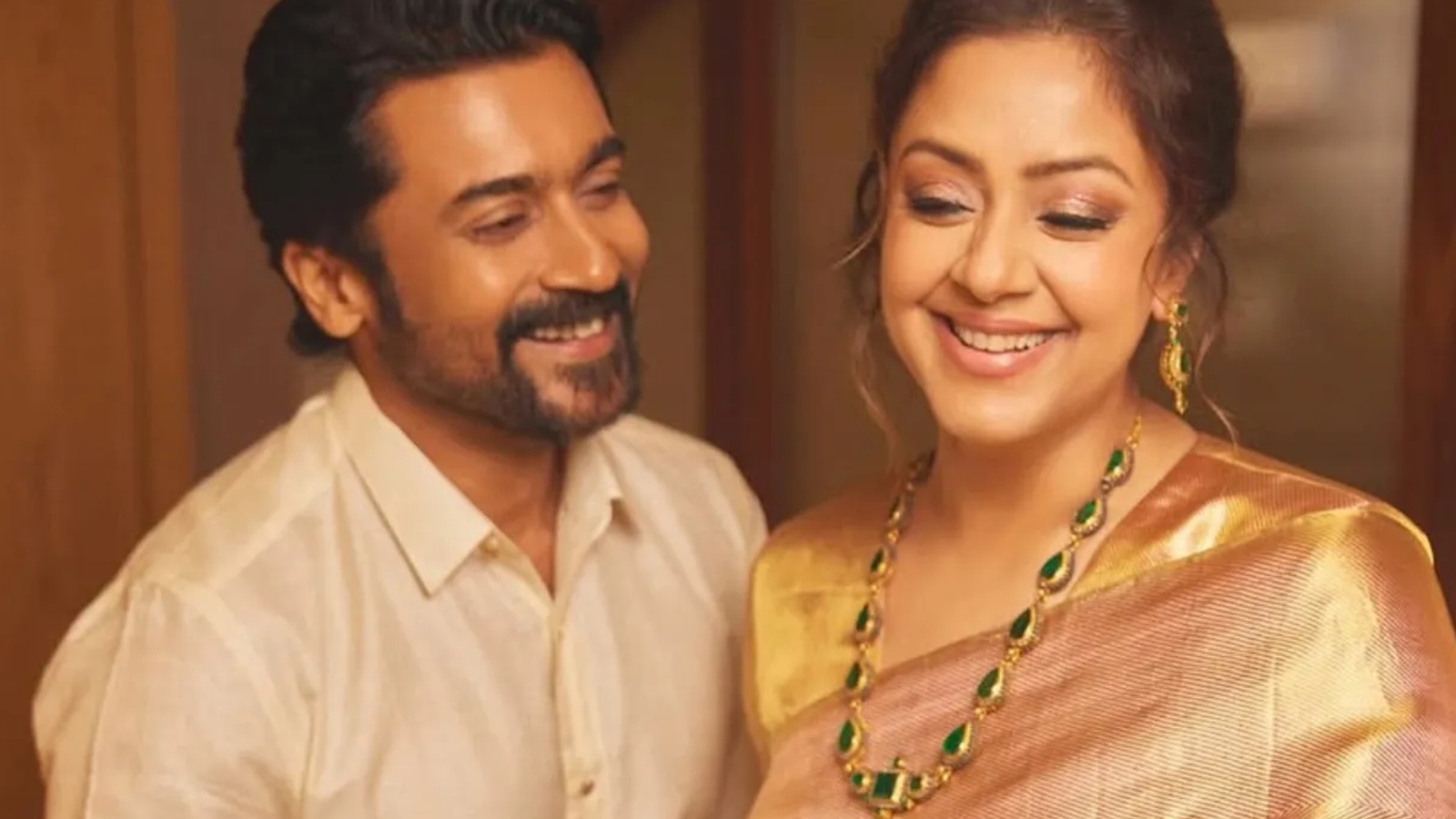
DISCLAIMER: This article is based on information from the public domain and/or the experts we spoke to. Inspired by their genuine appreciation for each other, we asked Delnna Rrajesh, psychotherapist and relationship breakthrough coach, about respect and equal DISCLAIMER: This article is based on information from the public domain and/or the experts we spoke to. Inspired by their genuine appreciation for each other, we asked Delnna Rrajesh,...
DISCLAIMER: This article is based on information from the public domain and/or the experts we spoke to.
Inspired by their genuine appreciation for each other, we asked Delnna Rrajesh, psychotherapist and relationship breakthrough coach, about respect and equality in relationships and why that matters.
Delnna shared how Jyotika’s words touch upon one of the most important yet misunderstood aspects of healthy relationships. “Equality is often reduced to visible actions. Who cooks? Who earns more? Who takes care of the children? Who does the dishes? While these conversations are important, they only address the surface. Real equality begins much earlier. It begins in the mind,” said Delnna.
Equality does not require both people to perform the same tasks. It requires that neither person’s contribution is considered more valuable simply because it is different.
Psychologically, equality is experienced through everyday interactions rather than grand declarations. “It is reflected in whether both people feel heard during disagreements. Whether important decisions are made together. Whether one partner’s dreams consistently take precedence over the other’s. Whether emotional needs receive the same seriousness regardless of gender. Whether appreciation flows in both directions rather than becoming one-sided,” shared Delnna.
Genuine equality begins when individuals become willing to question these inherited assumptions rather than automatically passing them into the next generation.
“Interestingly, equality is not only about how we treat our partner. It is also about how safe they feel expressing themselves. Can they disagree without fear? Can they admit mistakes without humiliation? Can they pursue personal growth without feeling guilty? Emotional equality means both people have equal permission to have a voice, express vulnerability and influence the direction of the relationship,” described Delnna.
This is particularly important for children who are watching. “Long before children understand the language of equality, they observe it. They notice who apologises, who interrupts, who is listened to, whose work is acknowledged and how conflict is resolved. Their understanding of relationships is shaped far more by what they witness than by what they are told.”