Shekhar Ravjiani Khandala Farmhouse Heritage Parsi Interiors
I
Indian ExpressVerified Publisher
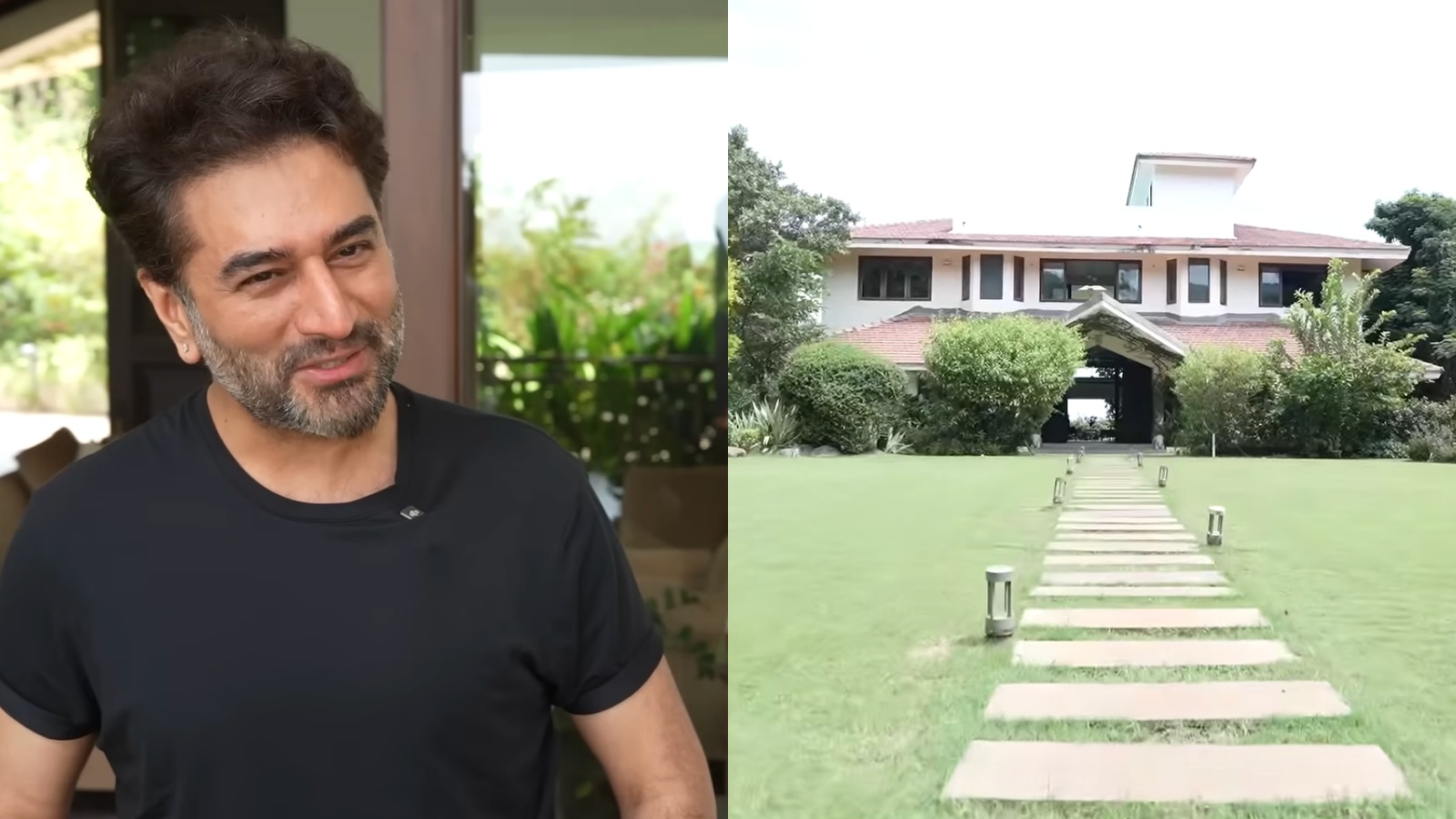
In the video, the filmmaker and Shekhar reflect on their friendship and collaborations for films including Om Shanti Om and Tees Maar Khan. DISCLAIMER: This article is based on information from the public domain and/or the experts we spoke to In the video, the filmmaker and Shekhar reflect on their friendship and collaborations for films including Om Shanti Om and Tees Maar Khan. DISCLAIMER: This article is based on information from the...
In the video, the filmmaker and Shekhar reflect on their friendship and collaborations for films including Om Shanti Om and Tees Maar Khan.
DISCLAIMER: This article is based on information from the public domain and/or the experts we spoke to.
Shekhar shared that the farmhouse was built to evoke the old-world charm of heritage Parsi hotels in Panchgani, the places he frequently visited during his school and college years. The highlight of the entire farmhouse is the black-and-white Parsi-style flooring blended with vintage furniture.
Located amidst the mountains of Khandala, the farmhouse also boasts views of the lush valley. During the monsoon, clouds drift into the property, a sight Shekhar described as nothing short of “jannat” (heaven).
The interiors continue the old charm aesthetic. The property also features a spacious living room with an open-plan layout and soaring double-height ceilings. A beige L-shaped sofa, vintage armchairs, wooden flooring, framed photographs, decorative lamps, fresh lilies, a vintage carpet, and a sturdy wooden centre table create a warm yet luxurious ambience.
The bedrooms maintain the vintage aesthetic with four-poster beds, large windows framing scenic valley views and double-height ceilings that enhance the sense of openness.
“Areas that can naturally accommodate art, artefacts, wall installations, and similar elements without overwhelming the space. Once these zones are identified, the idea is to carefully curate what truly belongs there rather than filling every surface. The art should feel personally and culturally relevant to the homeowner, whether it connects to their beliefs, memories, or regional roots,” Bansal elaborated.
The second most important part, according to Bansal, is scale and placement. He explained that thoughtfully chosen decor items should be positioned correctly, as they can create a meaningful spatial experience. “I also believe authenticity makes a huge difference, as it adds another layer of meaning and contextual relevance to the space. The artwork should carry a genuine story, rooted in authentic craftsmanship or traditional making techniques, rather than feeling generic or mass-produced,” he added.