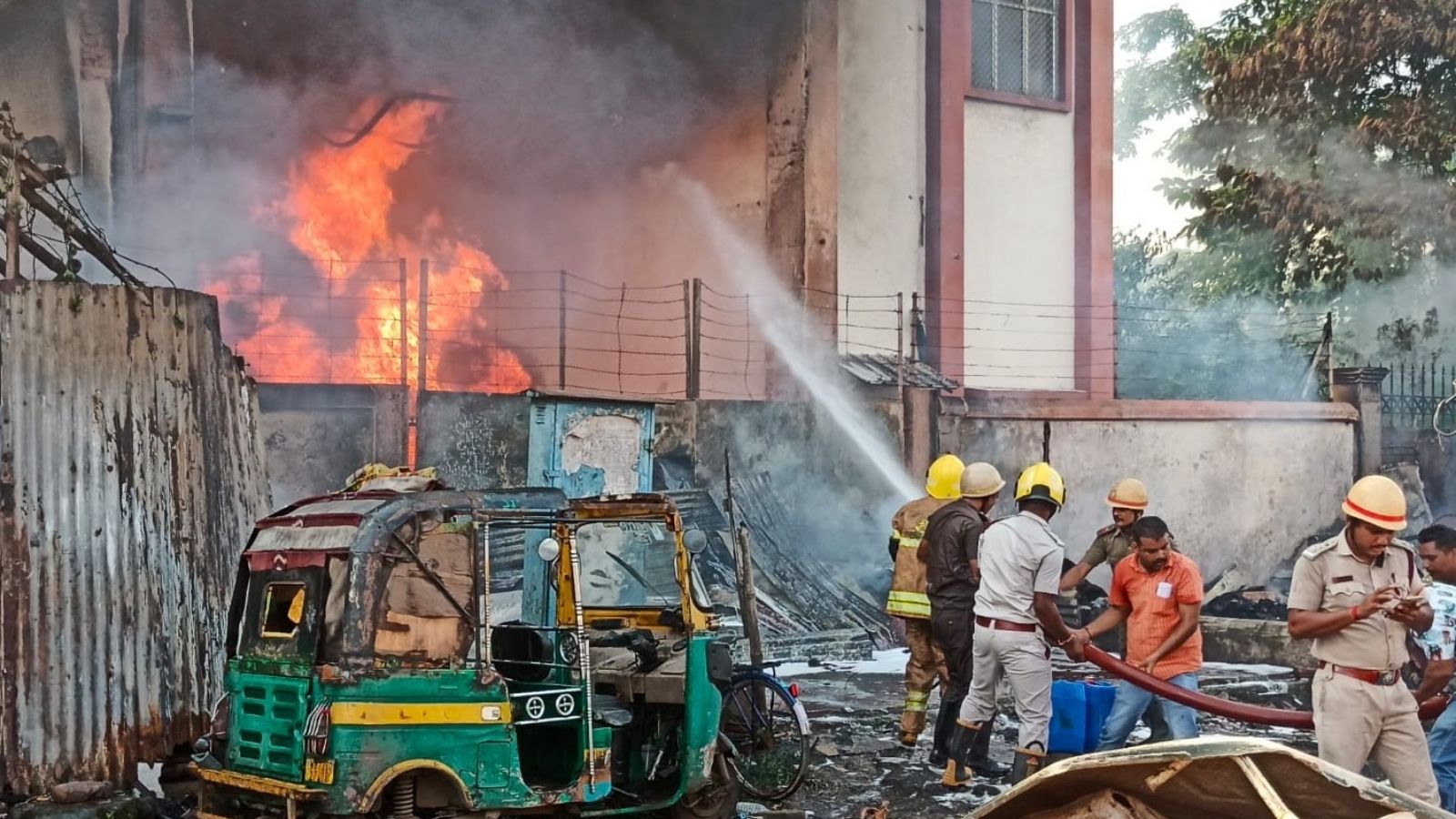
As ongoing elections in Pakistan-occupied Kashmir (PoK) are marred by violent clashes and security crackdowns, killing dozens of protestors, polling for four of the 11 seats for the last phase was held on Monday, while polling for the remaining seven seats has been postponed indefinitely owing to the deteriorating security situation.
New Delhi has described the elections as an attempt by Islamabad to camouflage its illegal occupation and hide its “grave” violation of human rights in the region.
After the first two phases on July 27 and August 2, where 34 of the 45 seats went to the polls, the Pakistan Muslim League-N has already claimed victory in 24 seats, amid reports of widespread rigging. A PML-N victory would return the party to power in the region after a decade. The now-banned civil society group Joint Awami Action Committee, or JAAC, has already announced a boycott of the elections.
Authorities have said that new voting dates for the remaining seven seats are yet to be decided, even as they say the electoral process is expected to be completed this month, as per the news agency PTI. There are 53 seats in PoK: 45 members are directly elected, while eight seats are reserved for women, technocrats, and clerics.
The election campaign has been overshadowed by weeks of protests led by the JAAC, which has urged residents to boycott the vote. Besides economic hardship in the region and concerns over curtailment of civil liberties, the present round of protests revolves around 12 seats reserved for refugees, for which voting is done externally.
The JAAC argues that the arrangement gives disproportionate political influence to people living outside the region. The JAAC, formed in 2023, has demanded greater political rights for local people. Last week, Ministry of External Affairs Spokesperson Randhir Jaiswal stated that at least 90 civilians had been killed by Pakistani forces in PoK during a crackdown since June 2026.
Peaceful protest must be allowed everywhere: UN
Meanwhile, the United Nations has expressed concern over the security situation in PoK, with a spokesperson for UN Secretary-General Antonio Guterres highlighting the need for accountability for actions against people engaging in peaceful protest.
On whether there will be calls for accountability from the authorities on the crackdown on protests in the PoK, the deputy spokesman for the secretary-general, Farhan Haq, said last Friday, “It’s important that all authorities everywhere allow for peaceful protest, and certainly that is the case here.”
He added, “If there have been people harmed for engaging in peaceful protest, there needs to be accountability for that.”
Earlier, on July 17, UN High Commissioner for Human Rights Volker Türk expressed concern about the developments in PoK, calling for an impartial and thorough investigation into the deaths of protesters and Pakistan’s ban of the JAAC and arrest of its leaders.
India maintains that the entire Union Territories of Jammu and Kashmir and Ladakh are its integral and inalienable parts. New Delhi also asserts that Pakistan has been in “illegal and forcible occupation” of parts of these Union Territories.
‘See through flimsy veneer of hypocritical lecturing’
The Ministry of External Affairs strongly criticised Pakistan’s crackdown on protesters in PoK and said the international community should see through the “flimsy veneer” of Islamabad’s “hypocritical lecturing” on human rights.
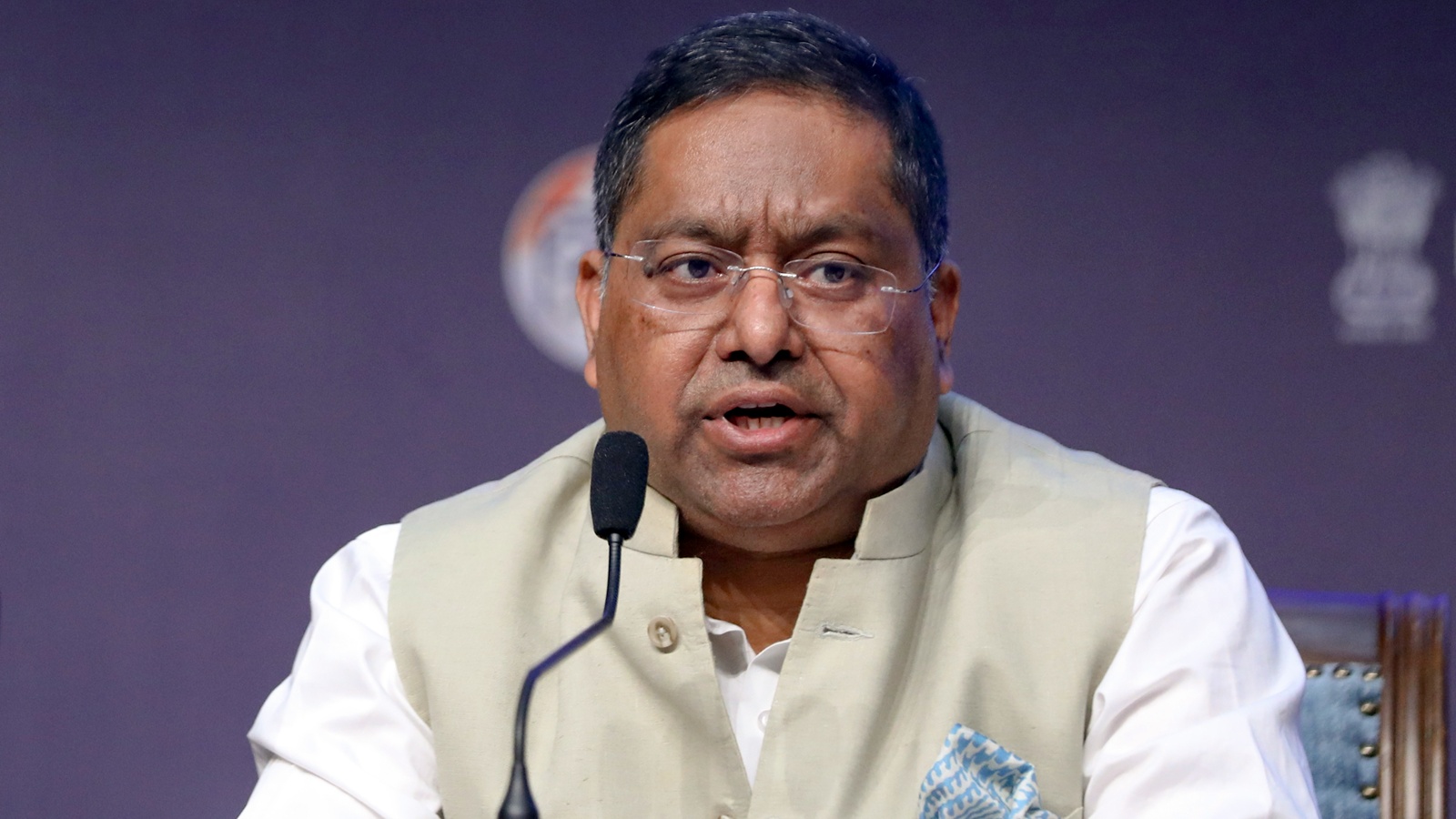
“This so-called local election in PoK is a complete farce. The real happening is that of public protests and wanton killings by Pakistani forces. Such hollow exercises cannot hide reality,” Jaiswal had said.
While the internet remains suspended in the region, Pakistan has also issued orders to curb the movement of foreign press in the country amid protests in PoK, a move that has drawn widespread criticism from international media organisations and rights groups.
The newly introduced Foreign Media Facilitation Guidelines 2026, issued by Pakistan’s Ministry of Information and Broadcasting, require foreign journalists and Pakistani journalists working for international media organisations to obtain prior approval from the ministry before undertaking official reporting assignments outside Islamabad, Lahore, and Karachi.
Divya A reports on travel, tourism, culture and social issues - not necessarily in that order - for The Indian Express. She's been a journalist for over a decade now, working with Khaleej Times and The Times of India, before settling down at Express. Besides writing/ editing news reports, she indulges her pen to write short stories. As Sanskriti Prabha Dutt Fellow for Excellence in Journalism, she is researching on the lives of the children of sex workers in India. ... Read More