Pgimer Cardiac Triage Unit Treats 3049 Patients In Under Five Months
I
Indian ExpressVerified Publisher
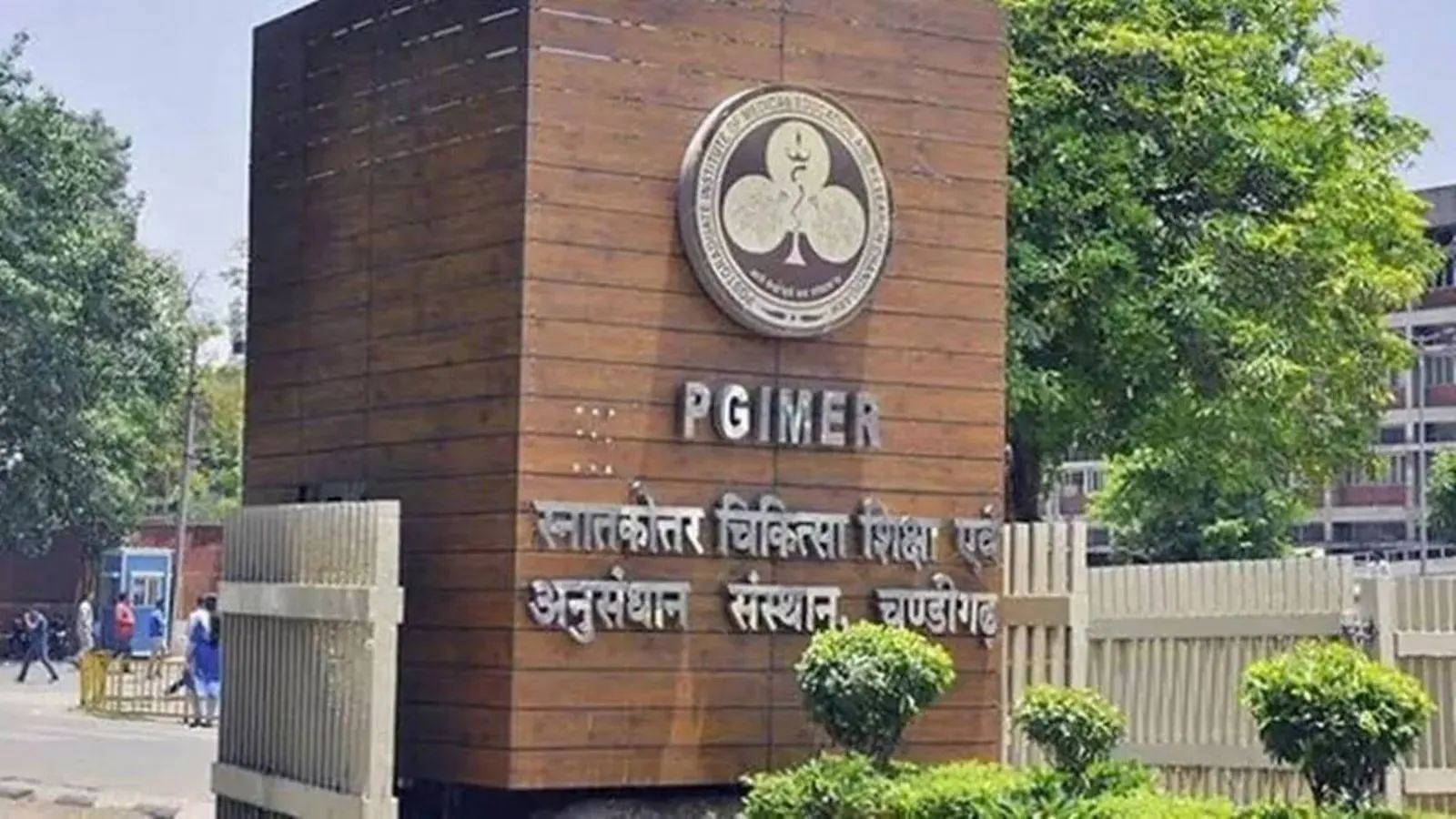
A dedicated cardiac triage unit at the Postgraduate Institute of Medical Education and Research (PGIMER) has handled 3,049 patients in less than five months since its launch, helping reduce the burden on the main emergency at Nehru Hospital and providing quick A dedicated cardiac triage unit at the Postgraduate Institute of Medical Education and Research (PGIMER) has handled 3,049 patients in less than five months since its launch, helping reduce the...
A dedicated cardiac triage unit at the Postgraduate Institute of Medical Education and Research (PGIMER) has handled 3,049 patients in less than five months since its launch, helping reduce the burden on the main emergency at Nehru Hospital and providing quicker access to specialised cardiac care.
The Cardiology Triage Unit, launched on March 9 at the Advanced Cardiac Centre’s Heart Command as an independent cardiac emergency service, was set up to ensure that patients with suspected cardiac emergencies did not have to compete for space and attention with other emergency cases at Nehru Hospital.
Data compiled till July 29 showed that of the 3,049 patients assessed at the unit, 1,108 (36.3 per cent) were shifted directly to the Coronary Care Unit, while 1,513 (49.6 per cent) were stabilised and discharged on the same day. Another 30 patients (1 per cent) required short-stay admission at Heart Command.
The unit redirected 298 patients (9.8 per cent) to the Nehru Hospital Emergency after they were found to have non-cardiac conditions, while 85 (2.8 per cent) were sent directly to the Cardiology or Cardiothoracic and Vascular Surgery outpatient departments.
Sixteen deaths were recorded among patients handled by the unit, translating into a mortality rate of 0.5 per cent. The unit also performed 26 primary percutaneous coronary intervention (PCI) procedures for patients requiring emergency coronary intervention.
Patient footfall increased steadily during the period. The unit received around 100 patients a week in March, with the weekly caseload crossing 200 by July. The average weekly attendance during the period was 152 patients.
The initiative was aimed at separating cardiac emergencies from the wider emergency workload at Nehru Hospital and allowing cardiology specialists to assess patients at the point of arrival. According to a report on the unit’s functioning, the increase in patient volume did not result in a corresponding rise in mortality, while the dedicated pathway helped reduce unnecessary admissions and improve patient flow.
The initiative has been led by Professor of Cardiology Dr Rajesh Vijayvergiya. The team has proposed that the model be considered for adoption at other high-volume tertiary-care hospitals.
The experience at PGIMER comes amid the growing burden of cardiovascular emergencies and increasing pressure on emergency departments at major government hospitals. The cardiac triage model seeks to address both by creating a dedicated pathway for patients requiring urgent cardiac assessment and treatment.