Panjab University Pucsc Elections Student Discontent Campus Issues
I
Indian ExpressVerified Publisher
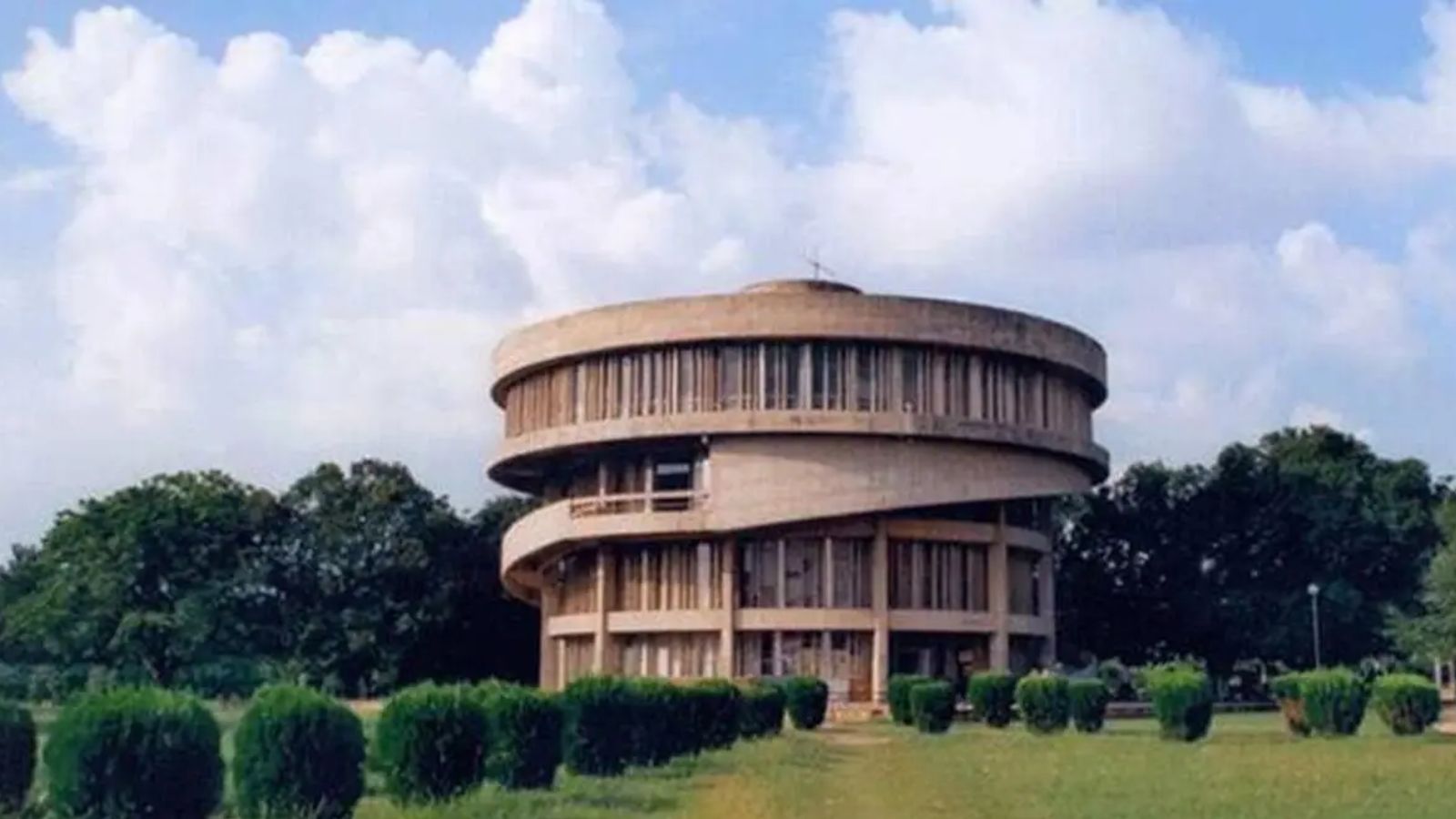
As Panjab University (PU) prepares for its upcoming Campus Students Council (PUCSC) elections, the atmosphere across Sectors 14 and 25 campuses is charged with ideological debates, lingering grievances and early campaign maneuvers. While student organisations As Panjab University (PU) prepares for its upcoming Campus Students Council (PUCSC) elections, the atmosphere across Sectors 14 and 25 campuses is charged with ideological debates, lingering...
As Panjab University (PU) prepares for its upcoming Campus Students’ Council (PUCSC) elections, the atmosphere across Sectors 14 and 25 campuses is charged with ideological debates, lingering grievances and early campaign maneuvers.
While student organisations are quietly mapping out online campaigns, alliance formulas, and vote-bank arithmetic, the administration is bracing for the high-stakes political season.
Dean Student Welfare (DSW) Yogesh Kumar Rawal confirmed that preparations are moving in tandem with local authorities.
“There are set procedures for the conduct of Student Elections. These are conducted in coordination with the UT administration. This year also, we will be following set procedures in consultation with the UT administration. An all-party meeting of students will be convened to counsel them regarding the sanctity and norms of this democratic process,” Rawal stated.
However, behind the official assurances lies widespread disillusionment with the outgoing ABVP-led council.
Repeated attempts to reach outgoing PUCSC President Gaurav Veer Sohal for a response regarding his tenure and the council’s performance were unsuccessful. Opponents and student activists across ideological lines have stepped up to label the tenure a period of missed opportunities, unfulfilled manifesto promises, and administrative collapse.
For many students, the core expectations of campus life are basic infrastructure, safety, and academic clarity taht have been overshadowed by political posturing and star-studded entertainment nights.
Mukul Singh Chauhan, a law student and founding member of the Republican Students’ Association (RSA), pulls no punches when assessing the present council’s report card. “Out of 10? Um, in the minuses.”
“Because I’ve seen the glorious days of Panjab University… right now it’s a total sham. Nothing promised in the manifesto, whether the placement cell, safety, or infrastructure, has been fulfilled.”
Chauhan also pointed to poor mess hygiene, unmaintained hostels, and budget cuts that saw 50 per cent of the university’s gardeners dismissed. “Basic necessities like food, clothing, and shelter remain the same issues today as years ago. Students are being distracted from real issues with flashy things like star nights.”
The sentiment is echoed across departments.
Sumit Sharma, the Student Front, who was the second runner-up in the previous presidential race, argued that having the backing of ruling governments at the Centre and in neighboring states yielded no tangible benefits for PU.
“Their biggest backlog was that they had the government at the Centre and in most states, yet they couldn’t bring any big change for the university,” Sharma noted. “All year, they focused on taking credit rather than improving infrastructure or resolving student issues. On basic needs like menstrual leave or sanitary pad vending machines issues discussed for three years, nothing has been implemented ground-up.”
Debate critics from leftist and independent groups argue that the outgoing council allowed ideological agendas to supersede student rights. Pratik, a Students For Society (SFS) council member and 2024 graduate, criticised the council’s alignment with central policies.
“After winning, they tried to implement NEP 2020, where privatisation, centralisation, and saffronisation are major aspects,” Pratik asserted. He pointed to steep fee hikes in self-financed courses like UIET and UIAMS as evidence of privatisation pushing working-class students away. “The fees in UIET went from Rs 85,000 to nearly Rs 1.25 lakh.”
Pratik also cited attempts to restrict campus democracy, such as mandatory anti-protest affidavits and controversial political invitations, as key points of student pushback. “They tried to infiltrate RSS programmes into campus under the guise of women empowerment… It has been a very failed council regarding their main agendas.”
Safety and administrative inefficiency have emerged as critical flashpoints.
Recent incidents, including the PhD scholar’s death on campus due to electrocution, triggered a sharp outrage. Activists pointed out that despite repeated warnings from hostellers about electric shocks from water coolers and unhygienic water tanks, administrative inaction remains the norm.
Sarah, the treasurer of PSU Lalkaar, emphasised that the council failed to lead on systemic issues, including the massive faculty shortage. “There are 1,334 UGC-sanctioned teaching posts, but not even half are filled. The council did not fight any major struggle against fee hikes, new hostels, or professor recruitment. Council funds were used mostly to call singers instead of organising events that genuinely benefit students.”
One of the PU students, Mayank Narang, observed that major crises such as the Senate restructuring and anti-protest affidavits were largely driven by student-led initiatives rather than council leadership. First- and second-year Political Science students initially spearheaded the anti-protest affidavit agitation.
Narang said, “The core expectations about resolving NEP complications, menstrual leave implementation, or giving the PUCSC a proper constitution were left in the backlog.” If a student visits the administrative block today, they will spend the entire day trying to figure out which desk can resolve their problem, he said. “The administrative system has completely collapsed.”
As the university administration prepares to enforce electoral codes, student parties gear up for a fiercely contested election.
Observers note a shift toward online campaigns, tactical alliances, and cultural enticements, even as fundamental issues ranging from mess food quality to the constitutional powers of the PUCSC itself remain unanswered.
With the students growing weary of empty manifesto promises and populist distractions, the upcoming election is shaping up to be less about political star power and more about a referendum on accountability, campus democracy, and student welfare.
The author is an intern at The Indian Express, Chandigarh.