Mobility Aids Are Easing The Burden On Caregivers
H
Hindustan TimesVerified Publisher
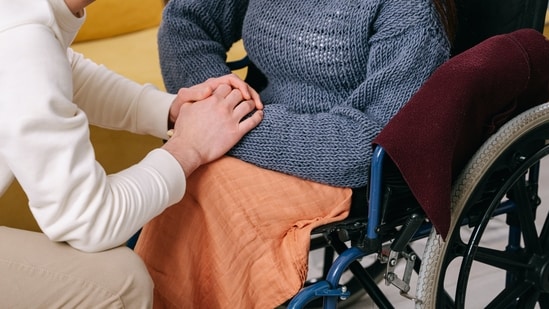
For many caregivers, the physical strain begins gradually. At first, it may be a hand offered while climbing stairs or a shoulder given while getting out of a chair. Over time, this can become a daily cycle of lifting, bending, holding and balancing another person’s weight. The body absorbs this effort quietly until fatigue, back pain and burnout begin to surface. The World Health Organization (WHO) notes that low back pain affected 619 million people globally in 2020 and is the leading cause of disability worldwide. For caregivers who repeatedly
. Over time, this can become a daily cycle of lifting, bending, holding and balancing another person’s weight. The body absorbs this effort quietly until fatigue, back pain and burnout begin to surface. The World Health Organization (WHO) notes that low back pain affected 619 million people globally in 2020 and is the leading cause of disability worldwide. For caregivers who repeatedly assist with movement without proper support, that risk is not abstract. It is part of everyday life.
The emotional burden is just as real. Caregivers often live in a state of constant vigilance. They worry about falls, missed medication, sudden weakness, bathroom safety, nighttime movement and the fear of not being available at the right moment. Many are family members who are also managing jobs, households, children and their own ageing bodies. Their care is driven by love, but love does not erase exhaustion. It only makes the exhaustion harder to admit.
This is where thoughtfully designed mobility aids begin to change the equation. A walker, wheelchair, rollator, mobility scooter or electric wheelchair is often seen as a product for the user alone. In reality, it supports the entire caregiving ecosystem. When an elderly parent can move from the bedroom to the living room with a stable walker, the caregiver no longer has to provide full-body support at every step. When a lightweight wheelchair is easy to fold, push and manoeuvre, a routine hospital visit becomes less physically punishing. When an electric wheelchair or mobility scooter allows a user to move with greater independence, the caregiver’s role shifts from constant physical assistance to supervision, companionship and emotional presence.
The need is already visible. NITI Aayog’s Senior Care Reforms in India report, drawing on LASI findings, notes that 24% of seniors have limitations in activities of daily living, while 48% report limitations in instrumental activities of daily living. These are not just health statistics. They represent millions of homes where bathing, dressing, sitting, standing, walking, cooking, shopping or visiting a doctor may require another person’s active support.
Good design matters because caregiving often fails in the details. A wheelchair that is too heavy creates strain. A walker that does not feel stable creates fear. A scooter that is difficult to operate does not inspire confidence. A bathroom support that is poorly placed may go unused. The best mobility solutions are not only medically useful, but emotionally intuitive. They are lightweight, stable, easy to clean, simple to store and designed for Indian homes where space is often limited and family members share caregiving responsibilities.
They also restore dignity on both sides. For the person with reduced mobility, the ability to move without constantly asking for help can bring back a sense of control. For the caregiver, it reduces the feeling of being permanently on duty. This shift is subtle but powerful. Care becomes less about physically carrying another person through the day and more about helping them participate in it.
The larger conversation, therefore, needs reframing. Mobility aids are not signs of weakness or decline. They are tools of balance. They reduce avoidable strain, prevent unnecessary dependence and make care more sustainable. A well-designed walker, wheelchair, electric wheelchair or scooter does not replace the caregiver. It protects them.
As India prepares for an older population and more families take on long-term caregiving roles, supporting caregivers must become central to how we think about mobility. Because behind every person trying to move with dignity, there is often someone helping them do so. And when mobility solutions ease that burden, they do more than support movement. They make caregiving more humane, more sustainable and more loving.
This article is authored by Arif Khan, COO & Co-founder, Frido.