Jo Jeeta Wohi Sikandar Was 75 Complete With Milind Soman Before Deepak Tijori Replaced Him
I
Indian ExpressVerified Publisher
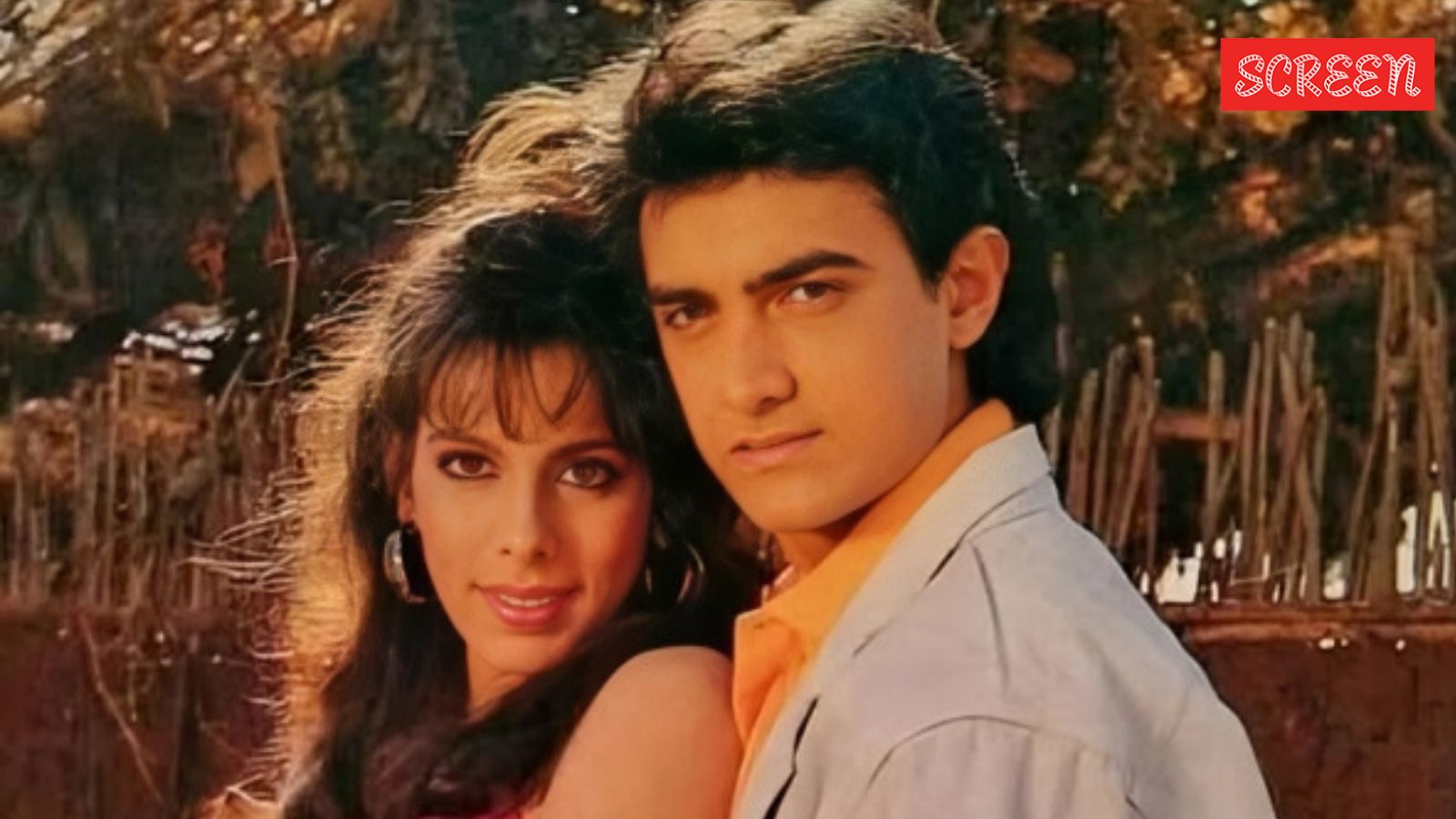
When Jo Jeeta Wohi Sikandar released in 1992, it quickly emerged as a box-office hit and, over the years, went on to acquire a cult following. Today, the Aamir Khan, Ayesha Jhulka, Pooja Bedi and Deepak Tijori-starrer is regarded by many as one of the finest c When Jo Jeeta Wohi Sikandar released in 1992, it quickly emerged as a box-office hit and, over the years, went on to acquire a cult following. Today, the Aamir Khan, Ayesha Jhulka, Pooja Bedi and...
When Jo Jeeta Wohi Sikandar released in 1992, it quickly emerged as a box-office hit and, over the years, went on to acquire a cult following. Today, the Aamir Khan, Ayesha Jhulka, Pooja Bedi and Deepak Tijori-starrer is regarded by many as one of the finest coming-of-age films in Indian cinema. However, the making of the film was far from smooth, with multiple casting changes and unprecedented delays.
The film we know today was originally supposed to star Aamir Khan, Girija Shettar, and Milind Soman. Several members of the cast were eventually replaced during the production.
Recalling the casting changes, Pooja Bedi recently told Vickey Lalwani, “From what I have heard, it was about 60% shot and then me, Deepak Tijori and Ayesha Jhulka stepped in and played our happy parts and fit the characters now that Mansoor was thinking should be portrayed in this manner and sort of resonated with the energy of what he was intending to create on cinema. And we had so much fun shooting it. We had so much fun. I had one scene still with Milind.”
She added, “Milind was still there when I entered and I shot one scene with him and then he got replaced. Then Deepak Tijori stepped in.”
Previously, Deepak Tijori told Bollywood Bubble that he was initially considered for Jo Jeeta Wohi Sikandar but was rejected despite giving a good audition. Around the same time, Mahesh Bhatt cast him in Aashiqui and Sadak, which helped establish him as an actor. After nearly 75% of the film had been shot with Milind Soman as the main antagonist, Deepak was called back.
The actor recalled, “So they had shot 75 per cent of the film with Milind. I used to hear stories that there was a problem going on on the sets of Jo Jeeta Wohi Sikandar. But since I was not involved with the film, I didn’t pay attention. I moved on, ended Aashiqui and Sadak (1991).”
He added, “Mahesh Bhatt asked me to go and meet Mansoor Khan. I refused. But he—you know how he would give gaalis… It’s his love and affection… So I agreed to meet Mansoor, and there I got to meet Nasir Hussain sahab.”
Deepak Tijori also revealed something he learnt at the film’s 30th-anniversary celebration in 2022.
“I got to know something on the 30th anniversary of the film… Aamir and Mansoor told me that the film had shut down and Mansoor was in depression because he thought that he had wasted all his father’s money. The film was restarted after I came in,” he said.
While Deepak replaced Milind Soman, Ayesha Jhulka stepped in for Girija Shettar, who left the film midway to honour prior commitments after the Mansoor Khan directorial faced prolonged delays. Shettar was already a well-known actress in the South Indian film industry at the time.
Years later, Mansoor Khan admitted that the original casting of the film had been a major mistake. Speaking to SCREEN, the filmmaker said, “I cast a bunch of people, and it was my mistake. It was the wrong cast.” By the time he realised his error, he had already spent weeks shooting in Ooty and other parts of the country. He added, “I actually feel I should write a book on Jo Jeeta Wohi Sikandar. That’s the one film where everything felt like fate, a true child of destiny. So many amazing things happened. Strangely, everyone who initially came into the project, for one reason or another, I rejected the right ones and picked the wrong ones.”
He confessed that his casting decisions had taken a toll on the production.
“We shot for 40–45 days in and around Ooty, Coonoor, then came back to Bombay and shot a lot more, including the songs. But I could see the film was going nowhere,” he said.
Speaking about the original cast, the filmmaker added, “I won’t take names, but those people were absolutely unprofessional. They made life miserable, not just for me, but for the entire crew. The film was turning out really badly, and it also nearly stalled.”
“I felt like giving up. But the film’s story is about getting up and winning. So in a way, life was mirroring art. We stayed quiet. We threw those guys out. They went to the press, said all kinds of nasty things about me and Aamir. But we didn’t respond. Our focus was clear, we had a film to make, and a good one. And in the end, the result is in front of you,” he concluded.