India Bangladesh Relations Reciprocity Sheikh Hasina Extradition
I
Indian ExpressVerified Publisher
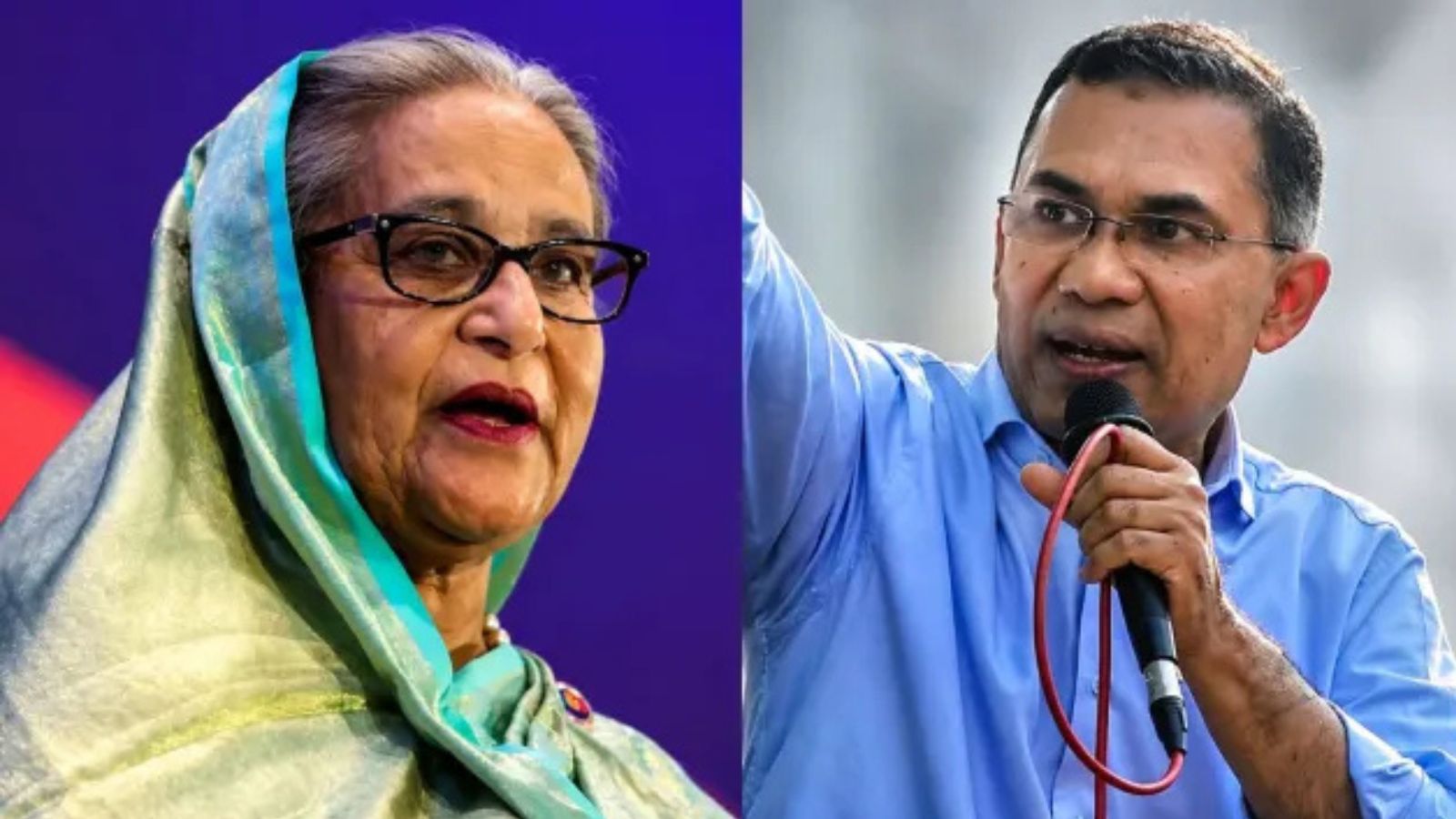
Two days after the Bangladesh government said that a propitious environment needs to be created for Prime Minister Tarique Rahman s visit to India, New Delhi said on Tuesday that India desires positive, constructive and forward-looking relations with Banglades Two days after the Bangladesh government said that a propitious environment needs to be created for Prime Minister Tarique Rahman s visit to India, New Delhi said on Tuesday that India desires...
Two days after the Bangladesh government said that a “propitious environment needs to be created” for Prime Minister Tarique Rahman’s visit to India, New Delhi said on Tuesday that India desires positive, constructive and forward-looking relations with Bangladesh based on “mutuality of interests and reciprocity”.
The harping on “reciprocity” and mutuality of interests signals that India is not looking to negotiate with Bangladesh on contentious issues, including security concerns, before committing to any steps. The point of discord has been the extradition of ousted Bangladesh Prime Minister Sheikh Hasina, who has been living in India for the last two years.
Dhaka had said that it has requested the Indian authorities to “expeditiously act on request to extradite Sheikh Hasina” and “other fugitive criminals, and to hand over to Bangladesh the accused killers of Shaheed Sharif Osman Hadi in compliance with our bilateral extradition treaty”.
While many in Dhaka see this as a ‘red line’, there is a sense in New Delhi that it needs to convey the “next steps” and give a “cogent response” to the Bangladesh government’s request for extradition. The request was first moved by the interim government led by Professor Muhammad Yunus in 2024, and has been reiterated by the Bangladesh Nationalist Party government which assumed office in February this year.
Ministry of External Affairs official spokesperson, Randhir Jaiswal, said on Tuesday, “India desires positive, constructive and forward-looking relations with Bangladesh based on mutuality of interests and reciprocity. Our position on the press conference by the former PM needs no repetition. On the issue of extraditions, our consistent position has been that these requests are being examined as part of our established processes.”
Earlier, the Indian government had said that it had “no role” in Hasina’s press interaction on August 5—she announced her plans to return to Bangladesh in December and even said that she might be killed—and did not endorse her views.
However, Jaiswal refused to confirm or deny any possible visit by the Bangladesh PM, although the Bangladesh Foreign Ministry had made it official on Sunday that the two sides have been discussing a possible visit.
Delhi had proposed August 21 as a possible date for the visit, but Hasina’s press conference is said to have queered the pitch. The Tarique Rahman government has clearly spelt out that it needs a response from India.
Jaiswal said on Tuesday, “As I have said this several occasions before as well, that we have extended a cordial invitation for the Prime Minister of Bangladesh to visit India, and as and when I have an update or some development to share with you on this account, I will surely do so.”
Shubhajit Roy, Diplomatic Editor at The Indian Express, has been a journalist for more than 27 years now. Roy joined The Indian Express in October 2003 and has been reporting and writing explainers and analysis on foreign affairs for about 19 years now. Based in Delhi, he has also led the National government and political bureau at The Indian Express in Delhi — a team of reporters who cover the national government and politics for the newspaper. He has got the Ramnath Goenka Journalism award for Excellence in Journalism ‘2016. He got this award for his coverage of the Holey Bakery attack in Dhaka and its aftermath. He won the Ramnath Goenka Journalism award, 2023, for the second time for his reporting of the Oct 7 attacks on Israel and the war in Gaza. He also got the IIMCAA Award for the Journalist of the Year, 2022, (Jury’s special mention) for his coverage of the fall of Kabul in August 2021 — he was one of the few Indian journalists in Kabul and the only mainstream newspaper to have covered the Taliban’s capture of power in mid-August, 2021. ... Read More