I Let Clients Go Founder Sarah Sham Work Life Balance Work Culture
I
Indian ExpressVerified Publisher
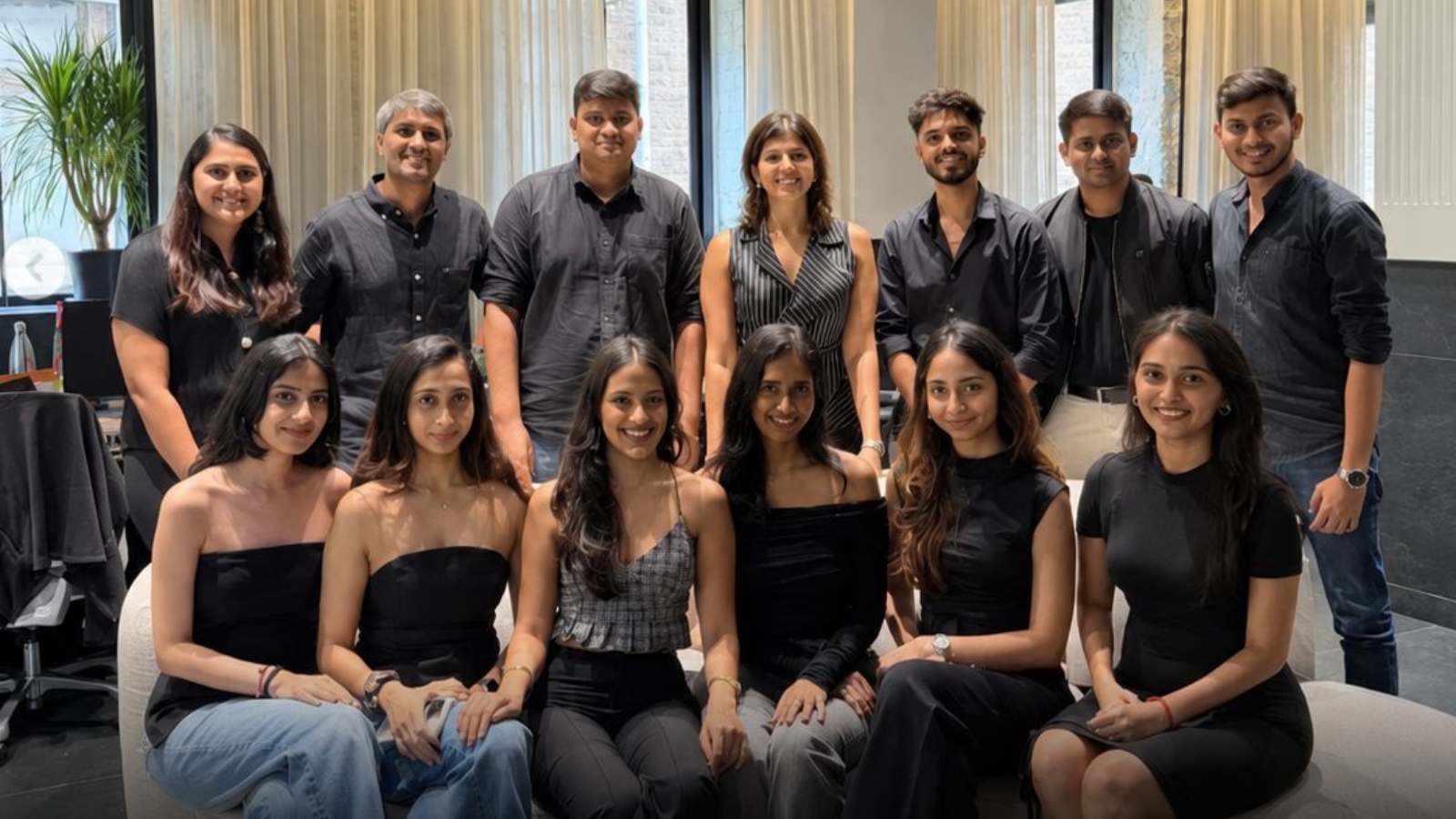
Sarah Sham, co-founder of a design firm operating across 18 cities, says she has chosen to let clients walk away rather than ask her employees to sacrifice their evenings and weekends. Sham s team works a five-day week from 9 am to 6 pm, with no weekend calls Sarah Sham, co-founder of a design firm operating across 18 cities, says she has chosen to let clients walk away rather than ask her employees to sacrifice their evenings and weekends. Sham s team...
Sarah Sham, co-founder of a design firm operating across 18 cities, says she has chosen to let clients walk away rather than ask her employees to sacrifice their evenings and weekends.
Sham’s team works a five-day week from 9 am to 6 pm, with no weekend calls or Sunday deadlines, even when projects run behind schedule. She said she hires another designer instead of asking her employees to work through their days off.
Her approach, however, came after years of believing that long hours were simply part of producing good work. “I used to think good design meant working through the night,” Sham wrote on LinkedIn.
She recalled staying late to finish deadlines, even when it meant missing dinner with her children or working through Saturdays. That changed when she began looking at which projects actually produced the strongest results.
Sham said she noticed that the best work was rarely created when her designers were exhausted. “A tap never runs empty. A well does, and once it does, no amount of pushing brings the water back faster. Push too hard without rest, and it runs dry, no matter how skilled the person is,” she wrote.
That realisation prompted Sham to rethink how she managed her team. The policy has not come without consequences. Sham admitted that some clients chose to leave because they preferred working with teams that could take calls or work on weekends.
“I let them go and kept the rule,” she said.
Sham also pointed out that burnout does not necessarily show up immediately. “A tired designer does not run out of ideas all at once. The work just slowly gets less interesting, and nobody notices until a client points it out,” she wrote.
Her post has since sparked a wider conversation on LinkedIn, with several professionals agreeing that longer hours do not automatically translate into better work.
“Would love to see more studios do this. The real blocker for most of us is that clients are rarely free during regular work hours, so the industry ends up structurally built around late nights and weekends, not by choice. It’s a shift I want to work towards as well, even if slowly,” said another.
“I resonate with this, though perhaps not to the extent that you do. On most days, I make it a point not to have my team work late. And yes, on a few special occasions, I shamelessly do. I aspire to be where you already are. Posts like this inspire me—and reassure me that I’m moving in the right direction: that building sustainably, rather than constantly burning the midnight oil, is the way to go,” added a third individual.