
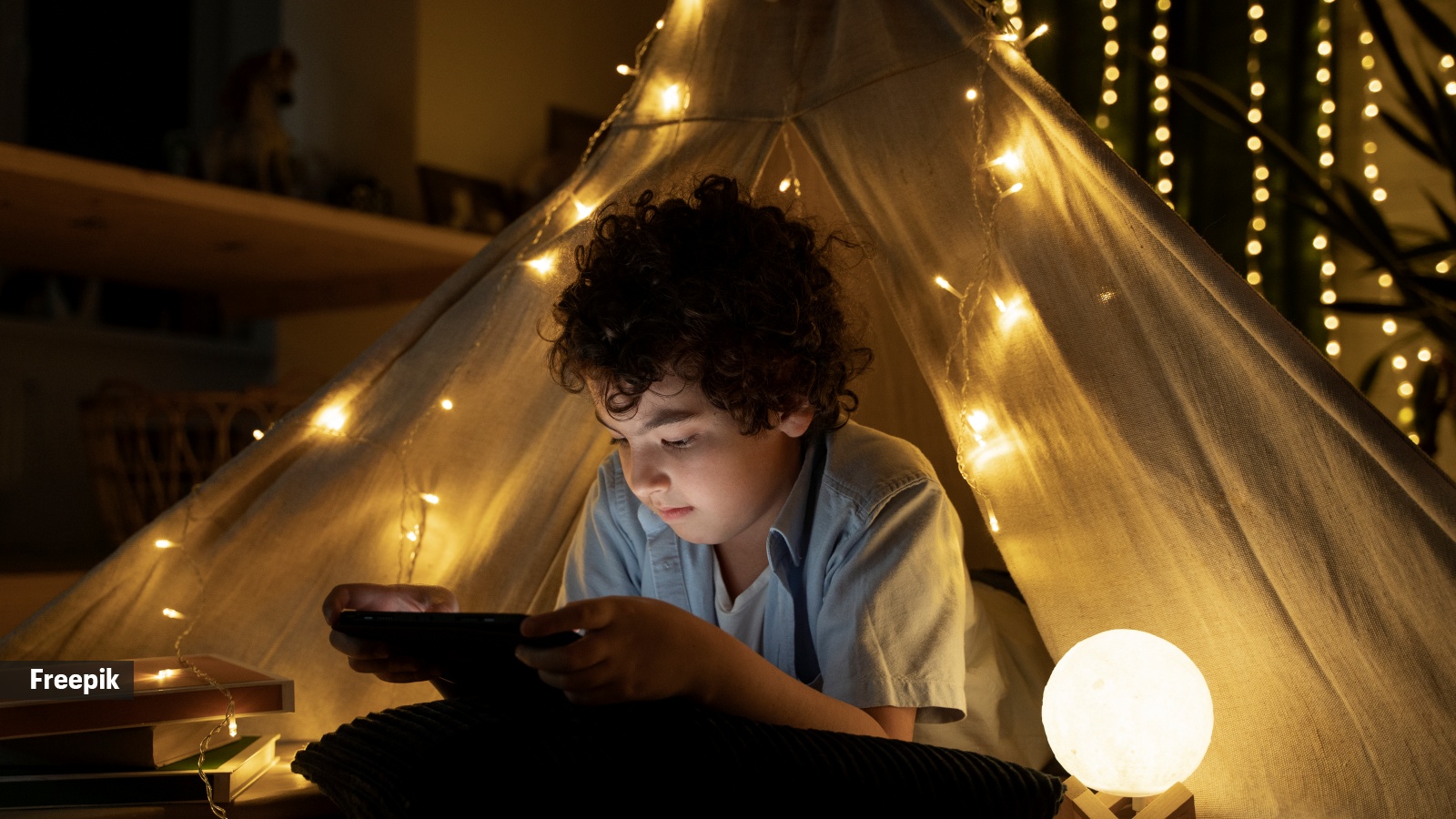
According to Dr Pooja T, Senior Specialist Pulmonologist at Aster RV Hospital, Bangalore, even dim decorative lighting can interfere with how deeply and how well we sleep.
DISCLAIMER: This article is based on information from the public domain and/or the experts we spoke to. Always consult your health practitioner before starting any routine.
“Human sleep is designed to occur in near-total darkness,” she explains. “Any artificial light during sleep can interfere with the brain’s ability to fully switch into restorative sleep modes.”
That means exposure to light at night can reduce deep sleep (slow-wave sleep) and REM sleep, the stages most important for physical recovery, memory and emotional balance. The result? You may wake up feeling unrefreshed, foggy, and more tired during the day.
Many people assume fairy lights are too soft to matter — but that’s not entirely true.
“Even low-level ambient light can suppress melatonin production,” says Dr Pooja. Melatonin is the hormone that signals to your body that it’s time to sleep. When light is present, especially during the night, the brain receives mixed signals and may delay releasing enough melatonin.
This can disrupt your circadian rhythm, the body’s internal clock that regulates sleep and wake cycles. Over time, regular exposure to light at night can make it harder to fall asleep and may even shift your natural sleep schedule.
Not all fairy lights affect sleep equally. “Blue or cool-toned lights have the strongest impact on melatonin suppression because they closely mimic daylight,” Dr Pooja explains. These are often found in white or LED fairy lights. Warm yellow or amber tones are less disruptive, but still not ideal for overnight exposure.
Brightness is also key. “Even small fairy lights placed close to the bed or within the field of vision can affect sleep if they are bright or flickering,” she says. In short, cooler and brighter lights cause more sleep disruption than dim, warm-toned ones.
Sleeping with lights on doesn’t always wake you fully — but it can keep your brain in a more alert state. “Studies show that sleeping with any light source can result in lighter, more fragmented sleep and more frequent nighttime awakenings,” says Dr Pooja. These brief “micro-arousals” may go unnoticed but still reduce overall sleep quality. Over time, this can contribute to daytime sleepiness, irritability, reduced concentration, and even metabolic effects.
Thus even though sleeping under fairy lights seems very Pinteresty, your brain needs darkness to fully register that it’s time to rest.