Florida Returns Over 500000 Tonnes Of Recycled Oyster Shells To Gulf Of Mexico Helping Restore Marine Life
E
Economic TimesVerified Publisher
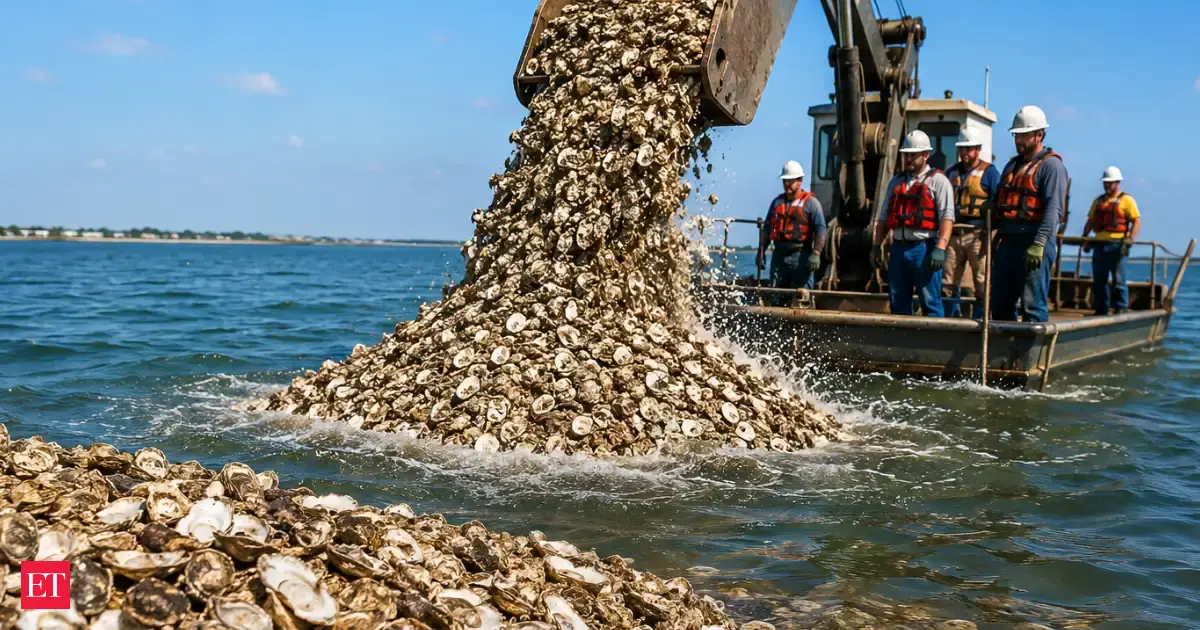
What was once dismissed by some as little more than ocean dumping has become a major coastal restoration effort in Florida. Between 2007 and 2024, more than 500,000 tonnes of recycled oyster and clam shells were returned to the Gulf of Mexico, helping rebuild What was once dismissed by some as little more than ocean dumping has become a major coastal restoration effort in Florida. Between 2007 and 2024, more than 500,000 tonnes of recycled oyster and...
What was once dismissed by some as little more than “ocean dumping” has become a major coastal restoration effort in Florida. Between 2007 and 2024, more than 500,000 tonnes of recycled oyster and clam shells were returned to the Gulf of Mexico, helping rebuild damaged oyster reefs and restore marine habitats.According to Upworthy, the shells were collected from seafood restaurants and processing facilities rather than being sent to landfills. After being cleaned, they were placed in parts of the Gulf where oyster reefs had been severely damaged or had disappeared because of overharvesting, pollution and environmental disasters.Why Florida started putting old shells back into the seaThe idea initially faced skepticism. Critics questioned whether placing discarded shells on the seafloor could actually restore an ecosystem. Early results were also difficult to see.But the shells were providing something young oysters desperately needed: a hard surface on which to attach and grow.As the shells accumulated on the seabed, they became the foundation for new oyster colonies. Bacteria formed a thin biofilm on their surfaces, while the shells also contributed calcium to the surrounding environment.Over time, young oysters began attaching themselves to the recycled shells. As their numbers increased, the individual shells gradually became part of larger oyster reefs.Oyster reefs can transform coastal ecosystemsThe restoration was about more than bringing oysters back.Oysters are natural water filters. They remove suspended particles and excess nutrients from the water, helping improve water clarity and reducing conditions that can contribute to harmful algal blooms.Clearer water can also benefit seagrass and other aquatic plants, which provide food and shelter for numerous marine species.According to project findings cited by Upworthy, populations of fish, sea turtles and dolphins eventually returned to levels not seen in more than 25 years.The reefs also protect Florida's coastlineHealthy oyster reefs can provide economic benefits as well.They support commercial fisheries and seafood production while contributing to cleaner coastal waters that are important for tourism. The reefs can also act as natural barriers, absorbing some wave energy and helping reduce shoreline erosion during storms.That makes oyster restoration a form of nature-based coastal protection, rather than simply a wildlife conservation project.Florida's oyster reefs had been declining for decadesFlorida's oyster populations had faced prolonged pressure from excessive harvesting, habitat destruction, pollution and major environmental disasters, including the Deepwater Horizon oil spill.The shell recycling programme offered a way to rebuild some of the habitat that had been lost while also keeping huge quantities of discarded shells out of landfills.What initially looked like dumping therefore became a way of rebuilding the foundation of an ecosystem.The idea is spreading across the USFlorida's experience has also helped encourage similar oyster shell recycling and reef restoration programmes elsewhere in the United States.Projects have been developed in states including Alabama, Texas, Louisiana, California, Mississippi, North Carolina and South Carolina, as coastal communities increasingly explore nature-based solutions to protect marine ecosystems and shorelines.The Florida effort shows how something that appears to be waste can become a building block for environmental recovery when it is returned to the ecosystem where it can serve a natural purpose.