Expired Food Safety Meat Paneer Fish Cooking Risks
I
Indian ExpressVerified Publisher
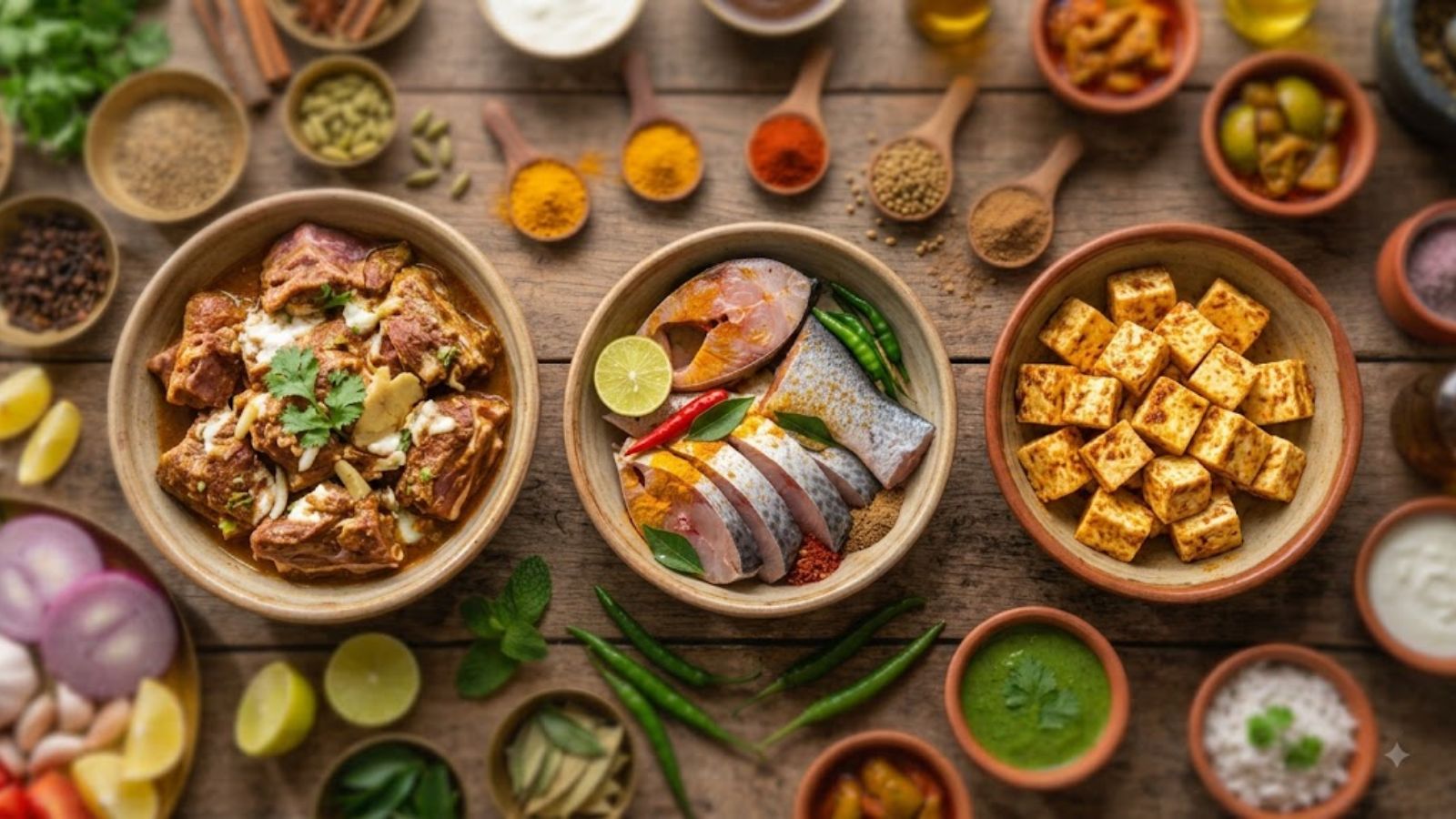
Bengaluru has recently seen intensified food-safety inspections, with authorities cracking down on expired and improperly stored food products at hotels and other establishments. In one recent inspection drive, officials reportedly inspected 60 three-star and Bengaluru has recently seen intensified food-safety inspections, with authorities cracking down on expired and improperly stored food products at hotels and other establishments. In one recent...
Bengaluru has recently seen intensified food-safety inspections, with authorities cracking down on expired and improperly stored food products at hotels and other establishments. In one recent inspection drive, officials reportedly inspected 60 three-star and five-star hotels across the city and seized more than 1,089 kg of food and other products over food-safety violations. They also found expired milk, rotten meat and other deteriorated food products.
The action highlights concerns around the handling and storage of highly perishable foods, including meat and dairy products, which land on our plate unsafe. “Depending on the type of food, storage conditions and the microorganism or toxin involved, such products can irritate the digestive system and cause nausea, vomiting, stomach cramps, diarrhoea and sometimes fever. In more significant cases, repeated vomiting or diarrhoea can lead to loss of fluids and dehydration,” says Dr Yogesh Batra, senior consultant, gastroenterologist, Indraprastha Apollo Hospital, Delhi. He spoke to The Indian Express:
The date, therefore, provides an important safety window rather than suggesting that food suddenly becomes unsafe the day after it expires.
What can happen after consuming expired food?
The risk and severity of illness can vary from person to person and depend on the nature and amount of contamination.
Cooking can destroy many bacteria and other microorganisms when the food is heated adequately. However, it cannot always make spoiled or contaminated food safe. Certain microorganisms can produce toxins that may remain in the food even after heating. Some bacteria can form spores that are much more resistant to heat than ordinary bacterial cells. Besides, even properly cooked food can become contaminated again if it comes into contact with raw meat, contaminated utensils, surfaces or hands. Cooking does not reverse deterioration that has already occurred or make food safe indefinitely.
Changes in smell, colour, texture or appearance can indicate deterioration, although unsafe food does not always show obvious signs of spoilage.
Canning and preservation significantly extend the shelf life of food by controlling microbial growth and protecting the product from contamination. However, the process does not make food permanently safe. Damaged, leaking, swollen or severely dented cans should not be consumed, particularly when their integrity has been compromised.
Under certain conditions, harmful bacteria can grow in improperly preserved foods and produce toxins that may cause serious foodborne illness.