Delhi Sir Why Southeast District Could See 7 Lakh Voter Names Deleted
I
Indian ExpressVerified Publisher
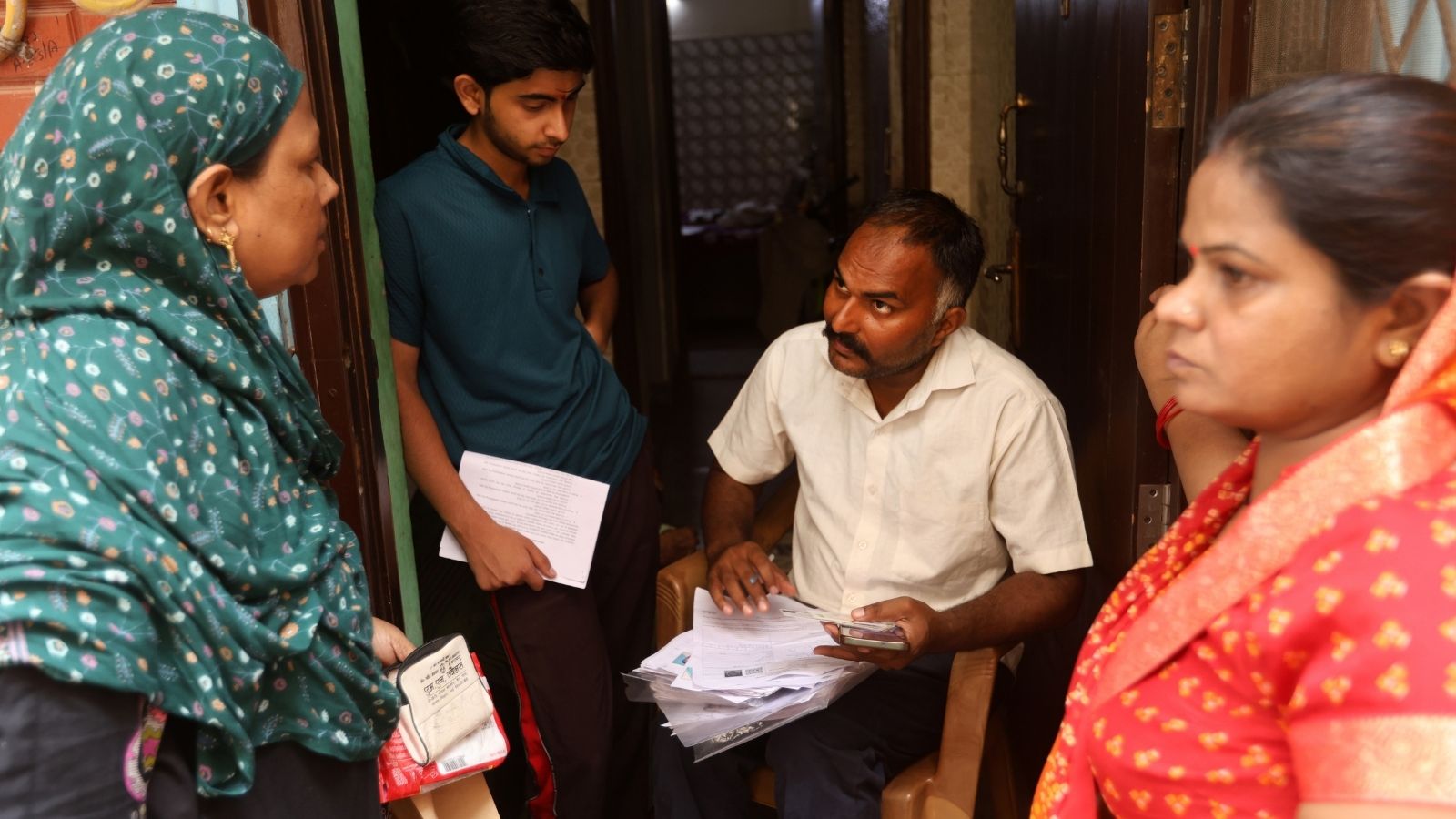
South East Delhi is expected to be the worst-hit district in terms of the expected number of deletions in the draft Special Intensive Revision (SIR) roll which will be published on August 24. It had the lowest digitisation rate of electoral forms at 56.32%, In South East Delhi is expected to be the worst-hit district in terms of the expected number of deletions in the draft Special Intensive Revision (SIR) roll which will be published on August 24. It had...
South East Delhi is expected to be the worst-hit district in terms of the expected number of deletions in the draft Special Intensive Revision (SIR) roll which will be published on August 24. It had the lowest digitisation rate of electoral forms at 56.32%,
In contrast, the rural belt of Outer North Delhi recorded the highest digitisation rate of electoral forms at 75.68%.
By Monday, which was the last day of the ‘enumeration’ phase of the SIR of electoral rolls in the city, enumeration forms of only 97.47 lakh electors had been collected and uploaded to the official portal, data from the office of the Chief Electoral Officer (CEO) showed.
This number is only about 67% of the 1.45 crore names on the electoral rolls when the SIR exercise began in Delhi. The remaining 47.62 lakh electors, or 33% of the electorate, will be marked as “uncollectible” – a category that includes electors who were absent, who may have moved or died, duplicate entries, or “Other” reasons.
South East Delhi was the only district which had a digitisation rate lower than 60%. It comprises areas of Okhla, Sangam Vihar, Badarpur, Jangpura, Tughlakabad and Kalkaji. The district has a lot of low-income neighbourhoods where migrant labourers reside.
BLOs had told The Indian Express previously that since a lot of labourers live in the area, people move frequently and don’t update their addresses. “Some have even completed the SIR in Uttar Pradesh and Bihar because they need address proof in their villages,” a BLO had said.
The district had 15.5 lakh electors before the SIR began; nearly 7 lakh names are expected to be left out of the draft roll.
New Delhi district, where the Lutyens’ Zone and Delhi Cantonment are located, is also expected to be hit hard. It also had a low digitisation rate of 60.76%.
The district has a large population of government and armed forces employees, who are often transferred and may move frequently. Roughly 60,000 electors could be deleted at the draft stage here.
South Delhi, comprising areas like Malviya Nagar, Deoli, Mehrauli and Chhatarpur, had digitised just 61.32% of the forms.
Central Delhi had a digitisation rate of 61.96%. It includes the areas of Patel Nagar and Karol Bagh.
The rural belt of Delhi has performed comparatively better than central parts of the capital.
The Outer North district had the best digitisation rate at 75.68%. Some of the rural portions of Delhi come under this district, such as Mundka, Narela and Bawana. More urban areas tend to face more deletions because they have larger floating populations.
Another district part of the rural belt, the South West, made up of areas like Bijwasan, Najafgarh, Dwarka and Matiala, had a digitisation of 73.16%.
North East district, which has the largest number of electors at 18.7 lakh, has done comparatively well at 70.94% digitisation rate.
Officials in the Chief Electoral Officer’s office previously told The Indian Express that they expected around 30% to 40% of names across Delhi to be deleted from the electoral rolls. “Delhi has a large population of migrant labourers, government employees and private-sector professionals, all of whom move frequently and often do not update their addresses,” an official had said.
To be sure, the final number of exclusions from the electoral roll will be known only on October 27, when the final electoral rolls will be published.
Electors who may have submitted forms with incomplete details will get notices over the next two months asking for proof of their eligibility to remain on the electoral rolls.
Some of them might be added back to the rolls.
The ECI has also said that genuine electors who may have been deleted in the draft rolls can be added to the final roll in the one- month claims-and-objection period as fresh electors.