Delhi Police Action Plan Traffic Congestion Anurag Kumar
I
Indian ExpressVerified Publisher
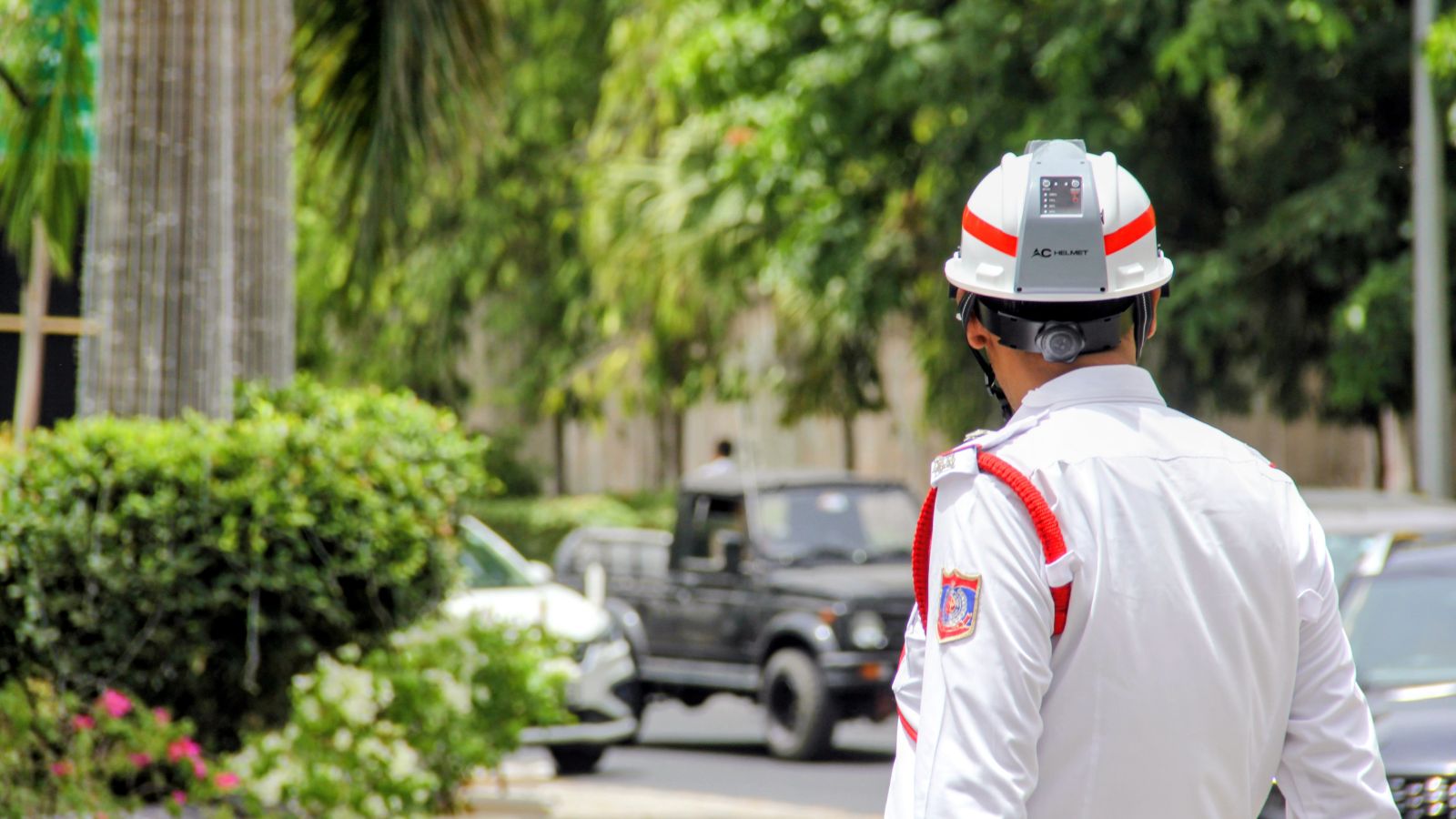
Delhi Police Commissioner Anurag Kumar has asked the traffic wing to draw up an action plan to tackle congestion, accident-prone stretches and chronic traffic choke points, with each traffic circle being tasked with identifying at least one problem area . Thes Delhi Police Commissioner Anurag Kumar has asked the traffic wing to draw up an action plan to tackle congestion, accident-prone stretches and chronic traffic choke points, with each traffic circle...
Delhi Police Commissioner Anurag Kumar has asked the traffic wing to draw up an action plan to tackle congestion, accident-prone stretches and chronic traffic choke points, with each traffic circle being tasked with identifying at least one “problem area”. These could be stretches affected by encroachment, roadside parking or heavy traffic movement, The Indian Express has learnt.
The directions, issued a few days ago, call to combine enforcement with engineering measures as well as public awareness and participation. “The plan is expected to focus on reducing congestion, improving traffic flow and strengthening road discipline,” a senior officer said.
Traffic officials have been asked to identify roads and stretches requiring priority attention. “The traffic unit has also been directed to undertake zero-tolerance drives against common violations such as triple riding, riding without helmets and driving on the wrong carriageway,” the officer said.
Kumar stressed that visible and sustained enforcement is essential to ensure traffic discipline, the officer added.
The emphasis is on making traffic policing more visible on the ground. Officials have been asked to increase their presence, make greater use of communication sets and use social media more actively for traffic alerts and traffic-management messaging. Awareness programmes in schools and colleges are also being planned.
“Sector-specific engagement plans should be prepared for groups such as taxi operators, e-rickshaw drivers and truck operators to seek voluntary compliance and sensitise them about the impact of rash driving and unauthorised parking,” the officer added.
One proposal that could improve enforcement on Delhi’s roads is a review of the authority to issue traffic challans. At present, local police personnel seeking to issue a traffic challan have to inform traffic police officers to issue challans.
The matter is being examined by the Traffic Management Division. “The notification needs to come from the government and it is under process. If approved, even local police will be able to issue such challans,” the official said.
Further, Kumar has directed the traffic police to deploy personnel from the CP Reserve for integrated checking.
The directions come after last week, while on general gasht (night patrolling) before the Independence Day, Kumar had reached the RTR Flyover at around 12.30 am and found several vehicles parked on the loop connecting the flyover to the airport.
Angered by the parking on the flyover, he had suspended Delhi Cantonment Traffic Inspector Sushil Kumar, his JDO (joint duty officer), and the sub-divisional in-charge at Vasant Vihar police station and sent them to the Police Lines.
Sakshi Chand is an Assistant Editor at The Indian Express, based in New Delhi. With over a decade of experience in investigative journalism, she is a leading voice on crime, the prison system, and institutional governance in the National Capital. Professional Background Specialization: Her reporting focus includes high-stakes crime, national security, prison reforms, and traffic governance. Key Coverage: She has been on the frontlines of major events such as the 2G spectrum case, the 2020 North-East Delhi riots, and communal clashes across Uttar Pradesh (Kasganj, Aligarh). Earlier Career: Before joining The Indian Express, she was a reporter for The Times of India. Personal Interests: Outside of her career in journalism, Sakshi is a National-level basketball player and coach, bringing a unique sporting discipline to her professional life. Major Recent Coverage (Late 2025) Her reporting in the latter half of 2025 has been dominated by a major terror investigation and administrative accountability: 1. The Red Fort Blast Investigation Throughout November and December 2025, Sakshi led the coverage of a car explosion near Delhi's Red Fort: Forensic Breakthroughs: She reported on the use of TATP and ammonium nitrate in the IED and identified the shops where raw materials were sourced (Nov 14-16, 2025). The "i20 Route": She meticulously tracked the journey of the vehicle used in the blast, tracing it to a Pulwama-based resident who entered Delhi via the Badarpur toll plaza (Nov 12, 2025). Victim Support: She recently reported on the Delhi Police providing a list of damaged vehicle owners to the Finance Ministry to expedite insurance claims for those caught in the blast (Dec 4, 2025). 2. Crime & Police Accountability "Crackdown on Extortion Gangs": In December 2025, she reported on a syndicate that was blackmailing traffic cops. Following five arrests, the Special CP directed officers to report all such attempts (Dec 12, 2025). "Corruption in the Ranks": She covered the arrest of five Delhi Police personnel by the Vigilance branch following a wave of public complaints (May 19, 2025). Cold Cases & International Murders: She has extensively tracked the case of a man who allegedly killed his wife in London and fled to India, reporting on his "Proclaimed Offender" status and the denial of his anticipatory bail (May 2025). 3. Governance & Public Policy "13,000 Homes for 90,000 Cops": A data-driven feature on why the majority of Delhi Police personnel are forced to live on rent despite the city's housing projects (May 4, 2025). Traffic Decongestion: Using her interest in urban logistics, she detailed how the Traffic Police eased congestion on Vikas Marg by switching off signals and creating U-turns (April 2, 2025). Signature Style Sakshi Chand is known for a data-driven and investigative approach. She frequently uses forensic reports, CCTV analysis, and administrative data to go beyond the "official version" of a crime story. Her work in prison reporting is particularly noted for highlighting the legal and humanitarian conditions of foreign detention centers and local jails. ... Read More