Court Refuses To Discharge Congress Leader In Casteist Abuse Case Tells Him To Face Trial
I
Indian ExpressVerified Publisher
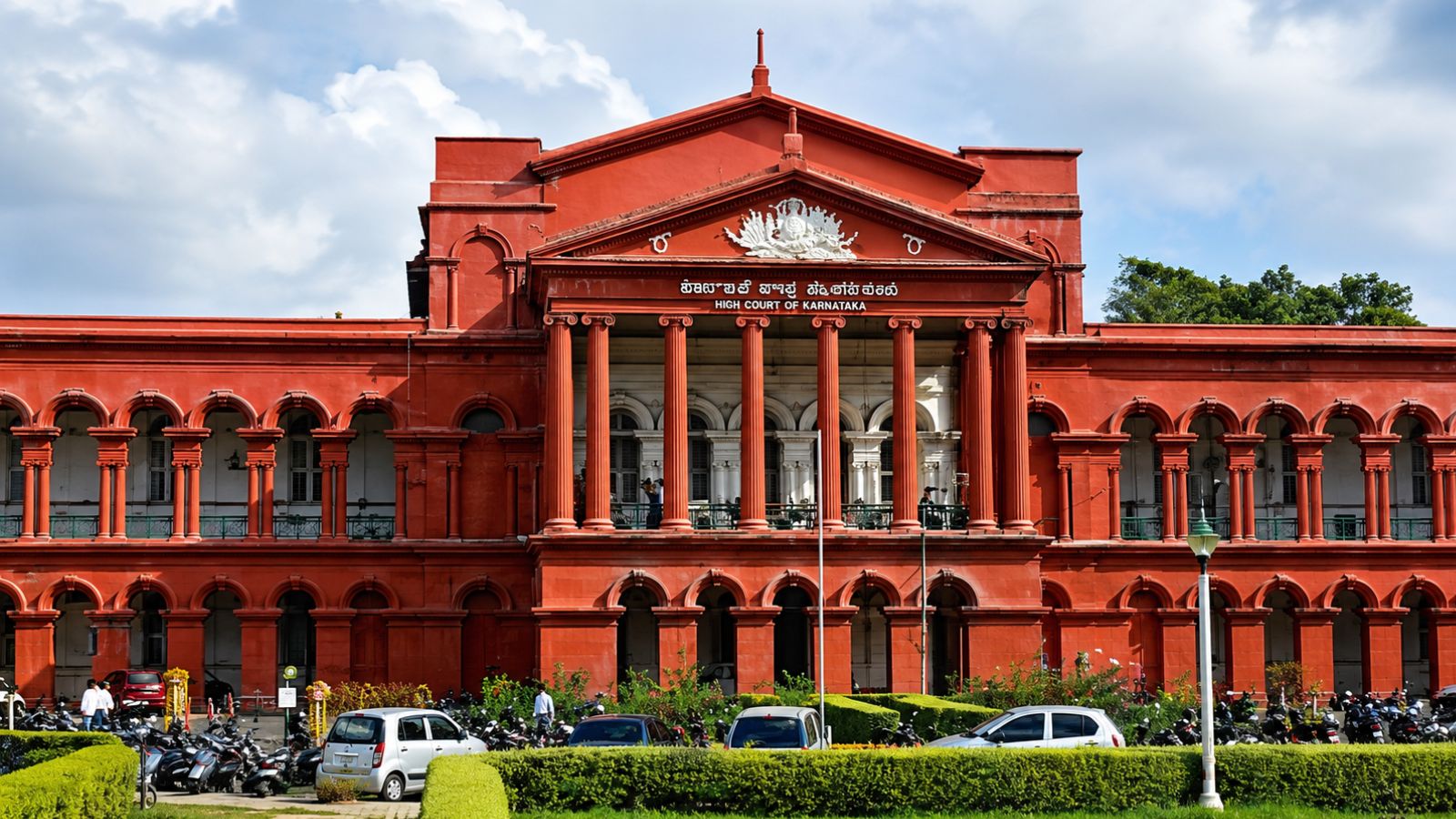
The Karnataka High Court has refused to discharge Congress leader Sirajuddin alias Siraj Sheik in an alleged case of hurling casteist abuses at party colleague and former MLA Bhima Naik. Dismissing Sheik s plea challenging a trial court order, Justice M Nagapr The Karnataka High Court has refused to discharge Congress leader Sirajuddin alias Siraj Sheik in an alleged case of hurling casteist abuses at party colleague and former MLA Bhima Naik. Dismissing...
The Karnataka High Court has refused to discharge Congress leader Sirajuddin alias Siraj Sheik in an alleged case of hurling casteist abuses at party colleague and former MLA Bhima Naik.
Dismissing Sheik’s plea challenging a trial court order, Justice M Nagaprasanna Friday observed, “When a politician or their legions hurl caste-laden abuses at a member of the Scheduled Castes or Scheduled Tribes in a public place, it is not merely an insult directed at an individual but is an affront to the constitutional promise of equal citizenship.”
He further said, “Dignity is not a concession bestowed by the powerful upon the marginalised; it is an inviolable constitutional entitlement of every citizen.”
Sheikh had sought discharge in a 2023 case filed under Section 504 (criminal intimidation) of the Indian Penal Code, and Section 3(1)(r) (punishments for atrocities) of the Scheduled Castes and Scheduled Tribes (Prevention of Atrocities) Act. The case was filed based on a complaint by Bhima Naik’s nephew Manjunath S L.
In the complaint, three alleged instances were highlighted wherein the accused allegedly hurled casteist abuses at Bhima Naik.
Appearing for Sheik, Senior Advocate Sandesh J Chouta argued that the complaint should not be entertained because it was lodged by the alleged victim’s nephew and was, therefore, based on hearsay.
Representing Manjunath, Advocate KBK Swamy countered the submission by contending that the abuses were admittedly hurled at three public places, not just one.
The bench noted that the accused was not oblivious of the victim’s caste and said, “Knowledge of that circumstance, therefore, cannot prima facie be brushed aside as either absent or accidental.”
“A political dais cannot be converted into a platform for caste humiliation, nor can the din of political rivalry drown the constitutional guarantee of dignity,” it added.
The bench pointed out that words uttered at political gatherings do not remain confined between the speaker and the person against whom they are directed; instead, they acquire a distinctly public character.
Directing the accused to face trial, the bench noted, “Where the defence requires the court to decipher disputed facts, assess eyewitness testimony and weigh electronic evidence, the answer lies in a trial and not in premature termination of the prosecution.”
“The Constitution of India has banished untouchability and promised equality, dignity and fraternity; yet, regrettably, the poison of caste sometimes finds expression even in the conduct of those who occupy positions of political power,” the high court stated.