In an interaction with HT Lifestyle, Dr Darlong shared that repeated exposure to indoor pollutants may affect the respiratory system, particularly in children, older adults and people who already have asthma or other lung conditions. He went on to highlight wh In an interaction with HT Lifestyle, Dr Darlong shared that repeated exposure to indoor pollutants may affect the respiratory system, particularly in children, older adults and people who already...
In an interaction with HT Lifestyle, Dr Darlong shared that repeated exposure to indoor pollutants may affect the respiratory system, particularly in children, older adults and people who already have asthma or other lung conditions. He went on to highlight what the pollutants are and where in our homes they may be found, which is presented as follows.
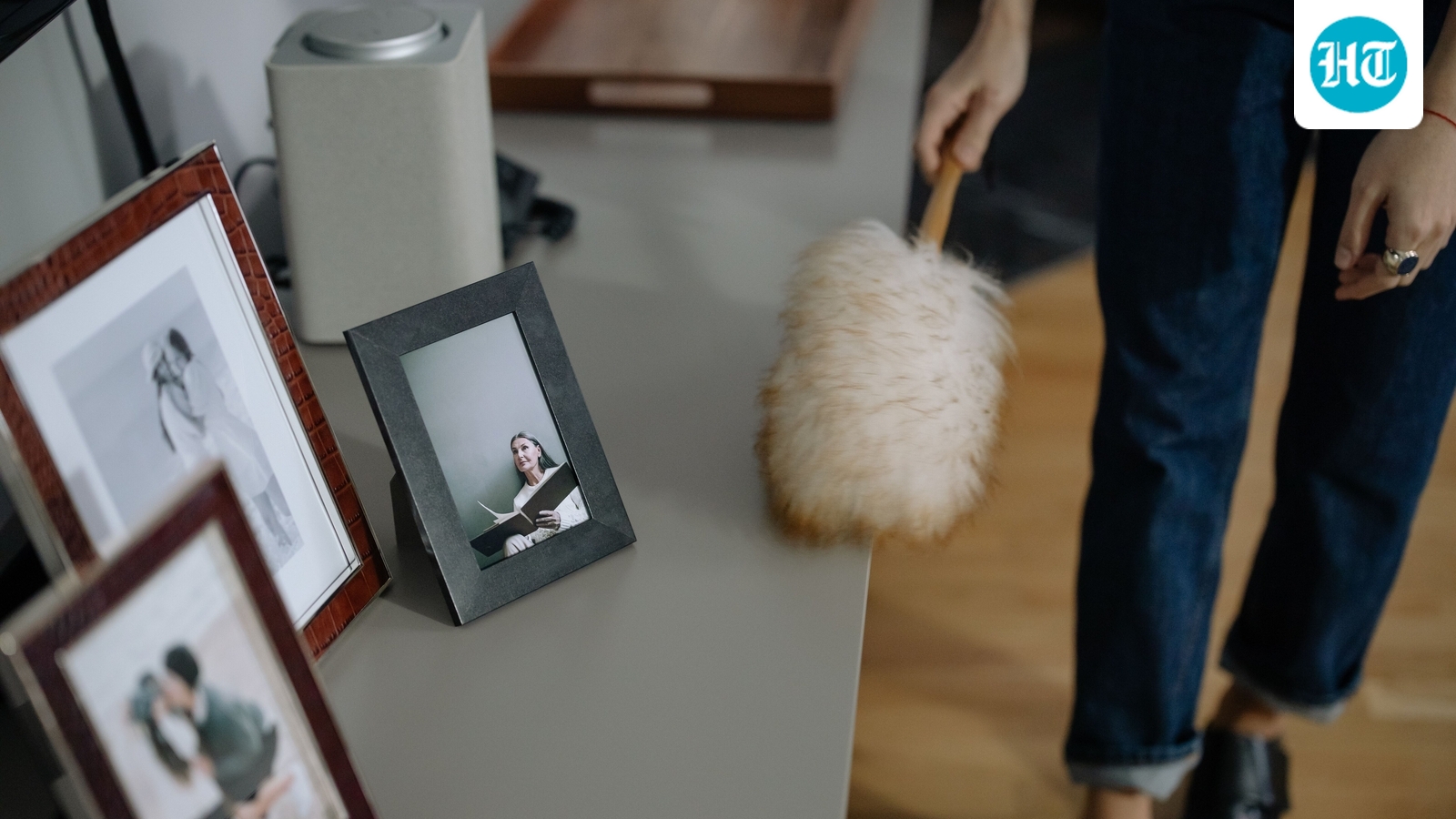
When it comes to indoor pollutants, household dust is the most common culprit. It can contain dust mites, pet dander, mould spores and fine particles that irritate sensitive airways.
In the words of Dr Darlong, “A dusty room may seem harmless, but for someone with allergies or asthma, it can be enough to trigger coughing, wheezing or breathlessness. Poor ventilation can make matters worse because these particles remain trapped indoors.”
The kitchen deserves special attention. As Dr Darlong explained, “Frying and other high-temperature cooking can release fine particles into the air. Gas stoves and other combustion-based cooking methods may produce additional pollutants.”
If the kitchen has poor ventilation, these can linger long after the meal has been prepared. Using a chimney or exhaust fan while cooking can help move the polluted air outside.
Some sources of indoor pollutants are less obvious and are objects of daily use. These include things like incense sticks, mosquito coils, scented candles, cigarette smoke, air fresheners and strongly fragranced cleaning products, all of which can release particles or volatile organic compounds.
“These may irritate the eyes, nose, throat and lungs, and can aggravate symptoms in people with sensitive airways,” noted Dr Darlong.
Dampness is another problem that is easy to miss, pointed out the doctor. A leaking pipe, seepage behind furniture or a poorly ventilated bathroom can encourage mould growth.
“Sometimes the mould is visible. Sometimes a persistent musty smell is the first clue. For people with mould allergies or asthma, exposure can worsen respiratory symptoms,” cautioned Dr Darlong.
As Dr Darlong explained, improving indoor air quality does not necessarily mean buying expensive equipment.
“Ventilate rooms when outdoor air quality is reasonable, use an exhaust while cooking, clean air-conditioning filters regularly, reduce smoke-producing products and repair leaks promptly,” he shared.
“Regular dusting and vacuuming can also reduce indoor allergens. Air purifiers may help in some situations, but they cannot compensate for a continuing source of pollution.”
Note to readers: This article is for informational purposes only and not a substitute for professional medical advice. Always seek the advice of your doctor with any questions about a medical condition.
Dr LM Darlong is the head of the department of thoracic oncosurgery at the Rajiv Gandhi Cancer Institute and Research Centre in New Delhi.
Debapriya Bhattacharya is a Content Producer at Hindustan Times. He started his career in 2022, working in newsrooms in beats like education, US news, trending stories, and entertainment. In his new role in the lifestyle desk, he seeks to deliver a balanced blend of research-driven reporting and creative storytelling from health and recipes to art and culture. Science, philosophy, food and pop culture are what pump his veins and help bring heart to his stories. Debapriya tries to see out subjects that will allow him and readers to explore new frontiers and improve the quality of life for all. The explorations can be both external and internal, as thoughts seek to be as chaotic as the greater universe. As a citizen of the world, Debapriya has been fascinated by the lives of people across the globe throughout time. His curiosity leads him to explore new linguistic and cultural landscapes to broaden his horizons and deepen his understanding of global narratives. Beyond the newsroom, Debapriya loves to participate in debate and theatre, spaces that he considers to be holy grounds for nuance and self-expression. A graduate from Ashutosh College, University of Calcutta, Debapriya completed his Master's degree from the same university in 2022. An ambiverted bibliophile, he loves his solitude as much as he adores stimulating conversations. And despite his reverence for tech, libraries continue to be his favourite place for research.Read More