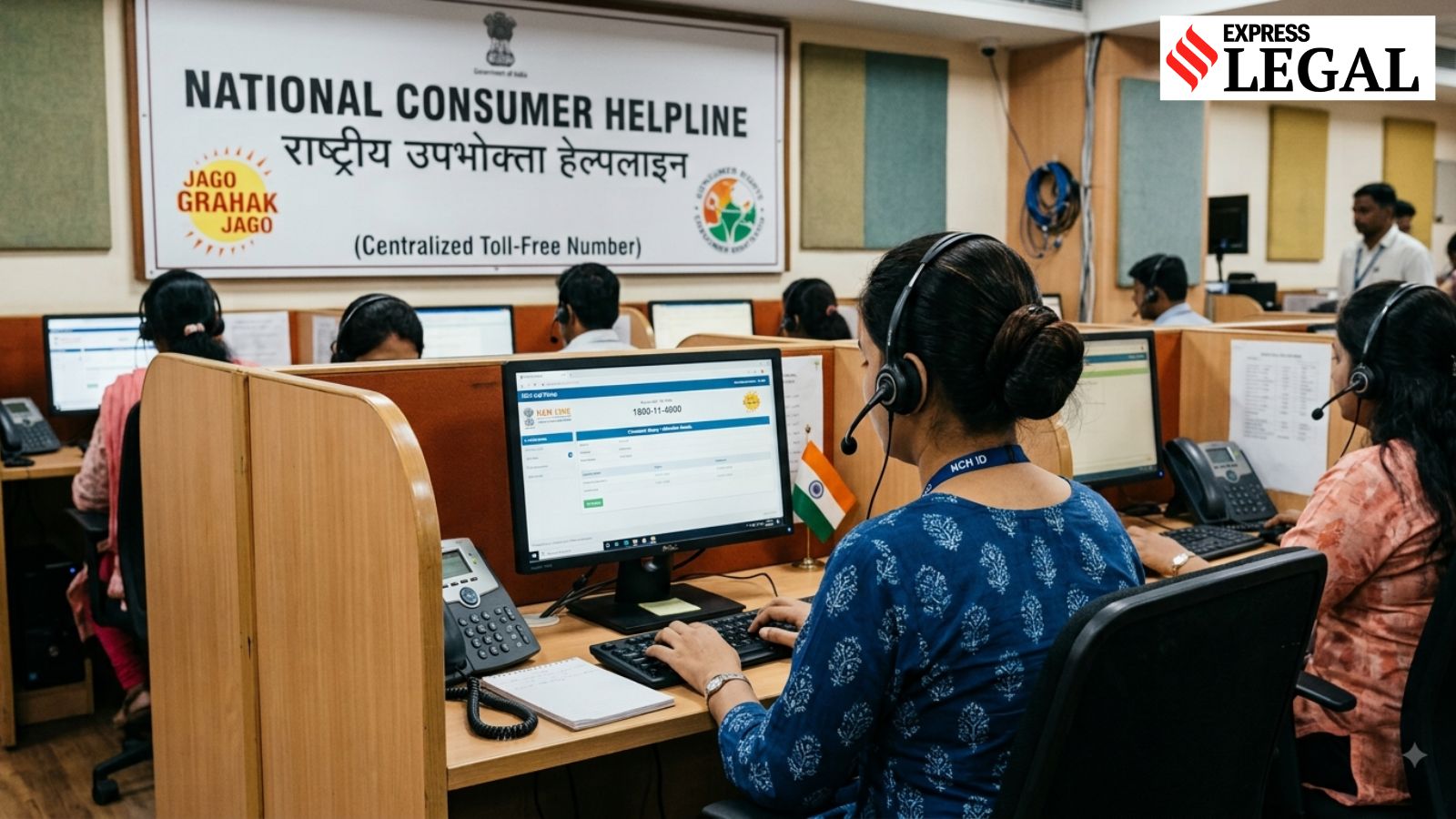
Nearly 20 lakh consumer complaints were lodged against e-commerce and quick commerce platforms over the last five years on the National Consumer Helpline (NCH), with annual grievances more than doubling from 2.24 lakh in 2021 to 5.11 lakh in 2025, according to data shared in the Lok Sabha by the Ministry of Consumer Affairs. The figures also showed that Flipkart and Amazon consistently attracted the highest number of complaints among online platforms during the period.
The data showed that the volume of complaints has more than doubled since 2021, rising from 2,24,592 that year to 3,65,370 in 2022, then climbing further to 4,46,133 in 2023, dipping marginally to 4,40,187 in 2024, before hitting a five-year high of 5,11,198 in 2025.
In a written reply before the Lok Sabha, Minister of State (MoS) for Consumer Affairs BL Verma said all complaints received by the National Consumer Helpline during the five-year period had been disposed of through its grievance redressal mechanism. He said the NCH had facilitated refunds of over Rs 91 crore to consumers between April 25, 2025 and June 30, 2026, of which over Rs 63 crore pertained to the e-commerce sector, resolving over 1.47 lakh refund-related grievances at the pre-litigation stage.
Platform-wise figures showed Flipkart received the highest number of complaints in every year covered by the data. In 2025 alone, the platform accounted for 1,33,566 complaints, followed by Amazon with 91,248 complaints. Meesho, Myntra and Netmeds completed the top five, while quick-commerce companies Zepto and Blinkit also featured among the 10 platforms with the most complaints against them.
The nature of complaints has also shifted over the period, from refunds not being processed as the dominant grievance in 2021 to non-delivery of products (79,818) and delivery of the wrong product (75,426) emerging as the leading complaint categories in 2025, alongside 15,762 complaints specifically citing spurious, fake or counterfeit products.
The government pointed to a layered regulatory framework built around the Consumer Protection (E-Commerce) Rules, 2020, which require every e-commerce entity to appoint a grievance officer, acknowledge complaints within 48 hours and resolve them within a month, and to record consumer consent only through “explicit and affirmative action” rather than pre-ticked checkboxes.
Separately, the CCPA’s Guidelines for Prevention and Regulation of Dark Patterns, 2023, identified 13 specific dark patterns in the e-commerce sector, including false urgency, subscription traps, drip pricing, confirm-shaming and disguised advertisements. However, according to the annexures tabled in the House, only 31 e-commerce and quick commerce platforms have so far voluntarily submitted self-declaration letters confirming compliance with these guidelines, following a CCPA advisory issued in June 2025.
It was further stated that the Central Consumer Protection Authority (CCPA) has, so far, imposed penalties totalling approximately Rs 1.12 crore on 47 e-commerce platforms.
Ashish Shaji is a Senior Sub-Editor at The Indian Express (Digital), where he specialises in legal journalism. Combining a formal education in law with years of editorial experience, Ashish covers court developments and key cases for the audience. Expertise Ashish is a law graduate (BA LLB) from IME Law College, CCSU. His work at The Indian Express focuses on translating the often-dense proceedings of courts into clear, legal content. He also runs liveblogs from the Supreme Court and various High Courts. Industry Experience: With over 5 years in the field, Ashish has contributed to several niche legal and professional platforms, honing his ability to communicate complex information. His previous experience includes: Lawsikho: Gaining insights into legal education and practical law. Verdictum: Focusing on high-quality legal news and court updates. Enterslice: Working at the intersection of legal, financial, and advisory services. ... Read More