Blood Pressure High Screening Hypertension Symptoms Young Indians
I
Indian ExpressVerified Publisher
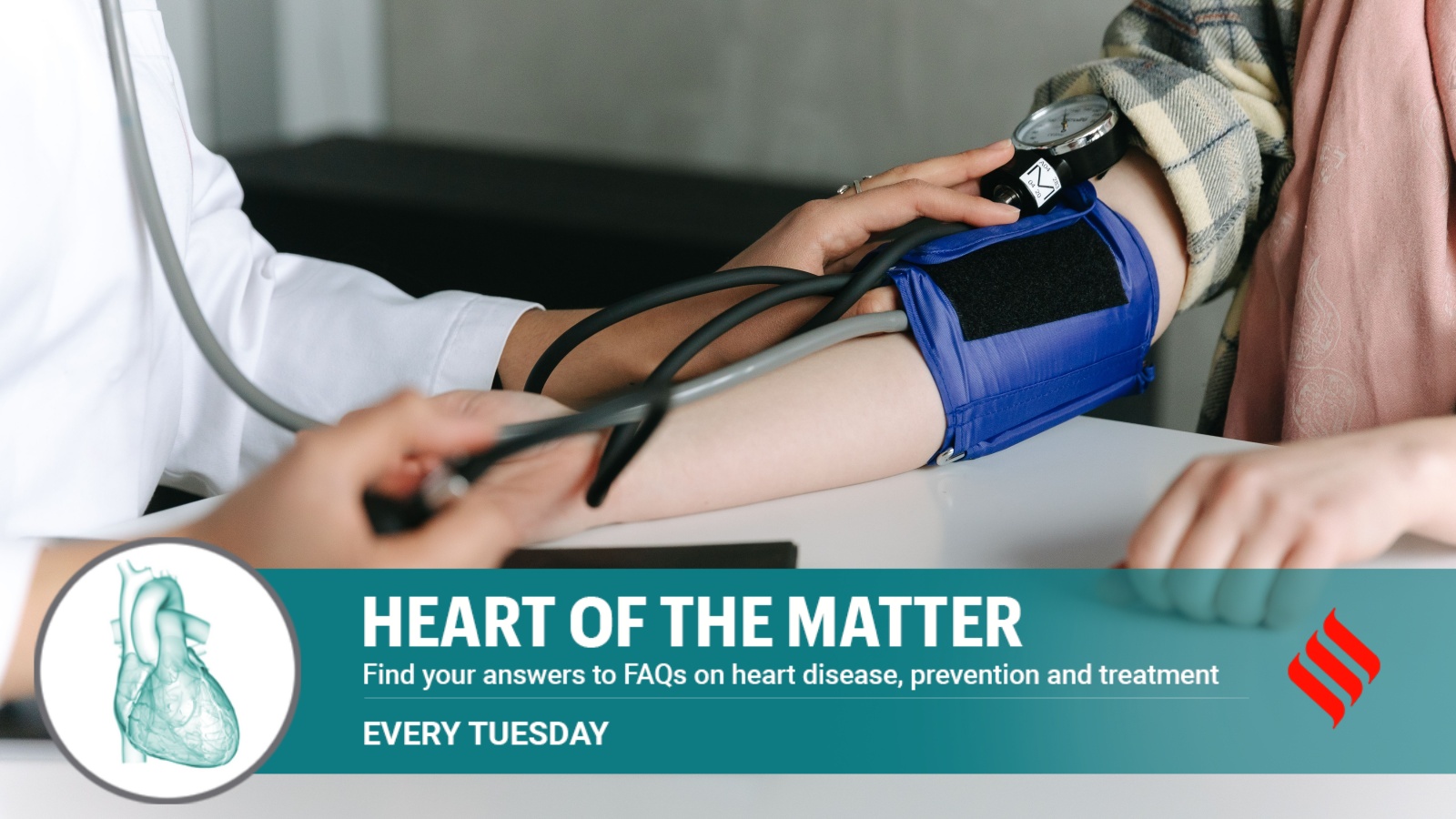
Rajesh’s story is far from unusual. Across India, millions of people unknowingly live with hypertension because they continue to believe a dangerous myth: if I feel fine, I must be healthy. The most significant knowledge gap in the Indian context is the belief that high blood pressure triggers obvious distress, such as nosebleeds or intense headaches. While these occur in emergencies, millions of Indians live with Stage 1 hypertension (blood pressure readings between 130–139 mmHg systolic or 80–89 mmHg diastolic) and feel remarkably energetic. Blood pressure is the measurement of
Rajesh’s story is far from unusual. Across India, millions of people unknowingly live with hypertension because they continue to believe a dangerous myth: if I feel fine, I must be healthy. The most significant knowledge gap in the Indian context is the belief that high blood pressure triggers obvious distress, such as nosebleeds or intense headaches. While these occur in emergencies, millions of Indians live with Stage 1 hypertension (blood pressure readings between 130–139 mmHg systolic or 80–89 mmHg diastolic) and feel remarkably energetic.
Blood pressure is the measurement of the force exerted against your arterial walls. When this pressure remains chronically elevated, the arteries become stiffer and thicker to withstand the force. Because this process is gradual and occurs at a cellular level, your brain often adapts to the “new normal,” leaving you unaware of the strain on your heart and kidneys. This is particularly concerning for the youth. Hypertension affects 12.1 per cent of young Indians, who face a heightened risk of premature cardiovascular events and impaired productivity.
While hypertension is asymptomatic in the traditional sense, it often leaves subtle physiological signals that modern Indians frequently dismiss as signs of ageing or a busy lifestyle. Peer-reviewed clinical observations suggest we should be more attentive to these overlooked indicators:
● Nocturia (Waking up to urinate): Frequent nighttime urination can be a sign that high blood pressure is straining the kidneys, forcing them to work overtime during rest.
● Pulsatile Tinnitus: A rhythmic thumping or “whoosh” sound in the ears that keeps pace with your heartbeat, often caused by turbulent blood flow through narrowed arteries.
● The “Heavy” Neck or Shoulders: Chronic tension at the base of the skull or on top of the shoulders can be a secondary response to vascular strain, rather than just poor posture.
● Unexplained Sleep Disturbances: Research in the Journal of Clinical Sleep Medicine indicates a strong correlation between hypertension and fragmented sleep.
● Subconjunctival Haemorrhage: A painless red spot in the eye can be a visual cue that small, fragile capillaries have ruptured due to high systemic pressure.
In India, excessive sodium intake remains one of the biggest culprits, with salt hidden not only in traditional foods such as pickles and papads but also in packaged “diet” snacks, ready-to-eat meals and fast food. Rising rates of obesity, increasingly sedentary lifestyles and chronic emotional stress further compound the problem. A clinical analysis of more than 8,600 Indian patients found that excess salt intake (39%) was the most common risk factor for hypertension, followed by obesity (32.9%), a sedentary lifestyle (28.6%), and emotional stress (20.7%). Adding to these lifestyle challenges is the South Asian phenotype, which makes Indians more susceptible to strokes and heart attacks at comparatively lower blood pressure levels than many Western populations.
The three most useful time slots to measure blood pressure are as follows:
2. Midday (optional, but useful in selected patients)
It is also advisable to avoid drinking any sort of caffeine, alcohol and exercise for at least 30 minutes before readings. Similarly, it is important to take two or three readings and average them out, and do this for seven consecutive days. When there is persistently high blood pressure in the early morning (morning hypertension), it is important to screen for the following conditions:
Indians should begin monitoring their blood pressure from the age of 18, even if they are healthy.
Ages 18–39: If your blood pressure is below 120/80 mmHg and you have no risk factors, get it checked at least once a year. If your readings are 120–139/80–89 mmHg or you have risk factors such as obesity or a family history of hypertension, monitor it more frequently — typically every three to six months, or as advised by your doctor.
(The author is a senior consultant and Director, Heart Transplant Programme, Narayana Institute of Cardiac Sciences, Bengaluru)