Balen Shah Missing Nepal Is On The Brink Of Instability
I
Indian ExpressVerified Publisher
Nepal witnessed communal clashes a relatively rare phenomenon in the country in the Eastern Tarai region late last month. The hatred and animosity were contained two days after curfew was clamped, and the army was called in Nepal witnessed communal clashes a relatively rare phenomenon in the country in the Eastern Tarai region late last month. The hatred and animosity were contained two days after curfew was clamped,...
Nepal witnessed communal clashes — a relatively rare phenomenon in the country — in the Eastern Tarai region late last month. The hatred and animosity were contained two days after curfew was clamped, and the army was called in. But it left at least four people dead, and the deep wounds of mistrust may take a long time to heal in a society where diversity and harmony have been a feature for years.
The event was treated as a law and order issue, without the government and political parties expressing concern over its causes. Outwardly, “kanwariyas” who collect water from holy rivers and offer it to different Shiva temples in Nepal and India in the month of Shravan and Muslims affiliated to certain madrasas in the area clashed on communal lines.
In June, the Mundaras hosted a mega event organised by RSS groups for a campaign of “Hindu solidarity” guided by Vedic, Buddhist and Mundhum (a pre-Vedic way of life of the Kirat people in Nepal) principles and practices with Avdeshanand Giri of the most powerful Juna Akhada as the Chief Guest.
This “Hindu regrouping” has been an evolving response after Nepal, once the world’s only Hindu kingdom, was declared a “secular republic” by eight parties without much debate or the people’s endorsement in 2006.
Former King Gyanendra Shah was among the first public figures to appeal for calm and harmony as the Nepal army took charge in the embattled zone. Some influential political groups in the region, however, have painted it as “anti-people”. The anti-army sentiment among political parties is not new. This is especially so since 2006 — the parties that came to power then saw the army as an extension of the monarchy. However, the army has gained public trust as the major political parties became increasingly unpopular. Their alleged and perceived corruption and governance failures over the years led to their defeat at the hands of the Rastriya Swatantra Party (RSP) in the March elections, six months after the Gen Z protests in Nepal.
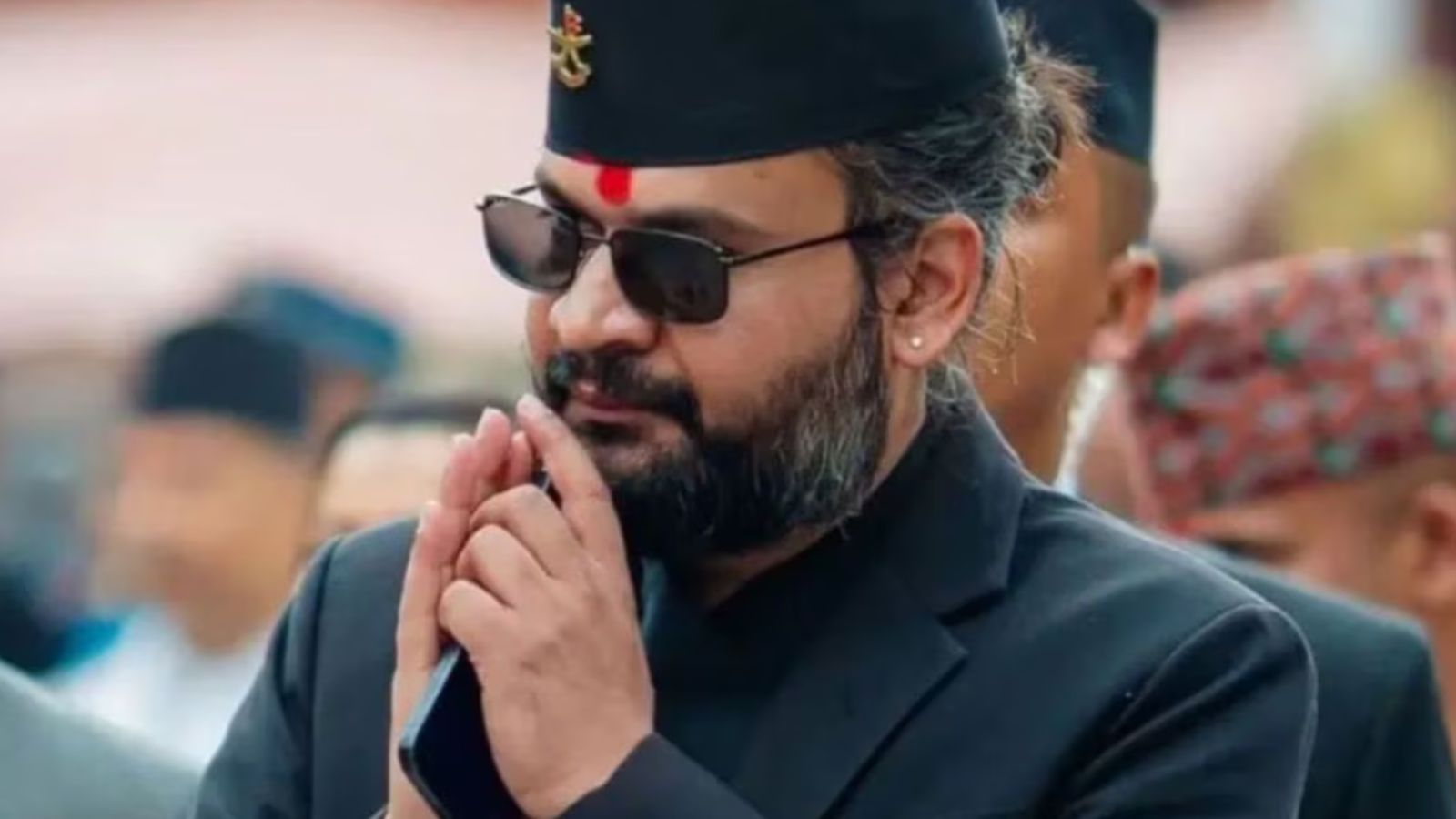
In the four months since he took over as Prime Minister, the 36-year-old Balendra Shah’s habitual silence, combined with his visible disrespect for Parliament, inaccessibility even to his ministers, and the alleged interference of his secretariat in the functioning of some constitutional bodies has taken a political toll.
Manish Jha, spokesman of the ruling RSP, even threw a jibe at PM Shah last week in parliament. Taking off from a fairly minor order for vehicle owners regarding the removal of tinted glass and windows, he said: “It is about time that even dark glasses are taken off”. It seems PM Shah took the advice literally, as he was without his dark glasses when he met the Indian and Chinese ambassadors earlier this week. Beyond eyewear, though, it remains to be seen how much he will change himself and engage with domestic and external authorities.
RSP chief Rabi Lamichhane is now entertaining complaints and grievances against the PM and taking them up directly with Shah. Whether the PM acts like an accountable leader will have a significant effect on the stability of the government, which has a two-thirds majority in parliament.
Balendra Shah’s backtracking on major issues and the ripples within the ruling party could be portents for a crisis for the government. An inexperienced Shah completely undermined parliament and the party, little realising how crucial they are for the survival of any government or PM in a democracy.
The writer is the Kathmandu-based contributing editor for The Indian Express